Introduction#
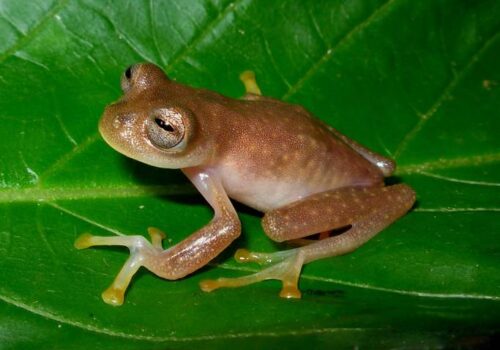
Deep in the mist-shrouded cloud forests of the Andes, nestled among emerald leaves and dew-laden moss, thrives a creature whose delicate beauty and mysterious ways have captivated both scientists and nature enthusiasts alike—the glass frog Nymphargus siren. Known for its translucent skin, through which the intricate ballet of its internal organs can be observed, this species exemplifies the surreal enchantment of tropical forests. Named aptly after the mythical sirens, the frogs’ ethereal appearance and captivating calls draw attention, sparking curiosity and awe.
Yet beyond its intricate, see-through beauty, Nymphargus siren holds profound ecological importance within the delicate ecosystems of Andean cloud forests—an environment increasingly threatened by human impact. Journey with us as we explore the fascinating biology, enchanting behaviors, and conservation story of this remarkable glass frog.
Taxonomy and Classification#
The scientific journey toward understanding Nymphargus siren is tied closely to the broader lineage of glass frogs. Classified within the family Centrolenidae, known commonly as glass frogs, it belongs to the genus Nymphargus, a group comprising several closely-related species known for their striking translucency and habitat specialization.
Nymphargus siren, originally described by scientists, has intrigued biologists due to its subtle morphological nuances and unique vocalizations. Differentiating between species within this genus often requires careful examination of anatomy, genetic markers, and sounds, reflecting the complex evolutionary pathways that shaped these enchanting amphibians. Its close relatives include species such as Nymphargus grandisonae and Nymphargus rosada, each distinct yet sharing common ecological niches and behaviors.
Natural Habitat#
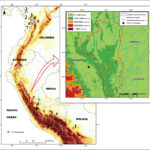
The dwelling grounds of Nymphargus siren make up one of Earth’s most dream-like ecosystems: the high-altitude Andean cloud forests of South America, primarily found in Colombia and Ecuador. These forests are perpetually cloaked in gentle mist, their cool air rich with moisture and teeming with biodiversity unparalleled elsewhere on Earth.
Life Among Clouds and Leaves#
Unlike frogs commonly pictured hopping along pond shores, Nymphargus siren is an arboreal specialist. It inhabits humid vegetation overhanging clear forest streams, favoring dense foliage, ferns, and moss-covered branches typically found between 1000 and 2500 meters elevation. These moist, verdant habitats provide shelter, breeding sites, and abundant hunting grounds. Leaves heavy with moisture from persistent cloud cover offer ideal locations for laying eggs, while nearby streams provide critical aquatic microhabitats for larval development.
This unique habitat offers the frog both refuge and challenge. The pristine, fluid environment demands delicate balance: too dry and embryos might perish, too wet and fungal infections could threaten survival. Consequently, these frogs depend profoundly on stable, undisturbed ecosystems, making their existence intricately tied to habitat health.
Physical Characteristics#
Nymphargus siren astonishes observers primarily with its characteristic translucency, tempting the imagination with glimpses into its inner workings. Adult frogs typically measure between 20 to 25 millimeters—a petite jewel amongst rainforest plants—exhibiting slender limbs perfectly adapted for gripping moist foliage. The tips of their toes contain delicate adhesive pads, granting secure footholds on slippery leaves above forest streams.
A Living Crystal: Translucency and Coloration#
Perhaps the most breathtaking attribute is their translucent underside, softly tinged in blue-green shades that appear almost luminescent. Beneath delicate skin layers, internal organs—pulsing heart, looping intestines, intricate blood vessels—are clearly visible, creating an astonishing, surreal appearance. From above, the dorsal coloration varies subtly from brilliant emerald to yellowish-green hues speckled with faint golden mottling, providing excellent camouflage atop wet leaves, blending seamlessly into the forest’s shifting tapestry of greens.
Evolution has molded this translucency not purely as a mesmerizing curiosity, but as practical camouflage against predators approaching from all angles—especially nocturnal birds, snakes, and arthropods. Thus, transparency serves dual purposes, simultaneously sheltering the frogs from predators and inspiring fascination from those fortunate enough to encounter them in their misty homes.
Behavior and Life Cycle#
The life of Nymphargus siren revolves largely around meticulous nocturnal activities. By night, the frogs emerge delicately on leaf edges overlooking streams or ponds, swiftly hunting minute insects such as ants, spiders, and small moths. Agile and observant, they execute calculated leaps from their hides, catching their prey with precision before retreating quietly to safety.
Mating Rituals and Captivating Songs#
Perhaps their most captivating behavior unfolds during mating seasons, marked by gentle, melodious calls. Male frogs produce soft, bell-like notes echoing quietly through the cool mist. It is through these harmonious vocalizations—like distant chiming bells—that they attract females and announce territories to potential rivals.
Once attracted, the female arrives to assess the male carefully. After successful courtship, she lays clusters of gelatinous eggs on the underside of broad leaves, delicately positioned over trickling water. The male subsequently guards this clutch vigilantly, protecting embryos from dehydration, fungi, and predation—a notable instance of dedicated paternal care in amphibians. Eventually, as tadpoles grow inside these transparent eggs, they drop safely into the water below. Here, they embark on their underwater stage, feeding on microscopic algae and detritus until eventually emerging as tiny, yet perfectly formed replicas of adult frogs, ready to begin anew the careful dance of survival.
Ecological Role#
Nymphargus siren never exists in isolation; it forms a delicate, intrinsic thread within the tapestry of Andean biodiversity. Primarily insectivorous, it helps control populations of small arthropods, subtly influencing the forest’s ever-shifting equilibrium. Simultaneously, it serves as prey for various nocturnal predators, maintaining healthy predator-prey dynamics essential for balanced ecosystems.
Crucially, glass frogs like Nymphargus siren act as barometers of habitat quality, providing biologists invaluable indicators of ecosystem health. Their sensitivity to climate change, habitat alteration, and pollutants renders them exceptional bioindicators, alerting conservationists to underlying environmental issues well before broader impacts emerge.
Threats and Conservation Status#
Unfortunately, the ethereal lifestyle of Nymphargus siren faces increasing threats primarily from human activity. Habitat destruction through logging, conversion to agriculture, and climate-driven changes significantly impacts these amphibians. Rising temperatures and altered rainfall patterns disrupt the delicate moisture balance essential for successful reproduction of glass frogs.
Conservation Efforts and Hopeful Initiatives#
The International Union for Conservation of Nature (IUCN) currently lists Nymphargus siren as Data Deficient, indicating insufficient concrete data to precisely define population numbers and specific threats. However, scientists express concerns over habitat loss and climate change trends observed regionally. Research initiatives focused on monitoring populations, habitat preservation, and environmental restoration are now essential to ensuring the long-term survival of this captivating frog.
Cultural and Scientific Significance#
Though subtle and cryptic, Nymphargus siren and other glass frogs hold pivotal cultural significance in the heritage of Andean peoples. Indigenous narratives have historically reflected profound connections between animals, spirits, and natural cycles. Glass frogs symbolize purity, transformation, and resilience, embodying the delicate balance and unseen interconnection of rainforest life.
Scientifically, this species continues unveiling mysteries in about ecosystem functioning, serving as important model organisms when studying ecological sensitivities, genetics, and amphibian physiology. Each observation deepens our comprehension—not only of amphibian biodiversity, but also of broader environmental processes reflecting climate, habitat, and evolutionary adaptability.
Conclusion#
In the quiet, ephemeral life of Nymphargus siren, amid Andean cloud forests concealed from casual human eyes, lies profound ecological importance and unspoken beauty. These glass frogs, shimmering quietly beneath misted leaves deep within lush realms, remind us critically of nature’s fragility, resilience, and boundless wonder. To ensure their survival, our collective responsibility demands committed investment in conservation science, habitat stewardship, and public awareness initiatives.
Let us marvel deeply at creatures like Nymphargus siren, and inspired by their silent fragility, amplify efforts in preserving the integrity and awe-inspiring diversity of Earth’s remarkable natural heritage.