- Introduction: A Jewel in Colombia’s Rainforest Crown
- Taxonomy and Classification: The Glass Frog Family Tree
- Natural Habitat: Life in Colombia’s Misty Realms
- Physical Characteristics: Beauty in Translucence
- Behavior and Life Cycle: A Symphony of Survival
- Ecological Role: Guardians of Ecosystem Balance
- Threats and Conservation Status: A Fragile Future
- Cultural and Scientific Significance: Symbolism and Learning
- Conclusion: Protecting the Transparent Wonder of Colombia
Introduction: A Jewel in Colombia’s Rainforest Crown#
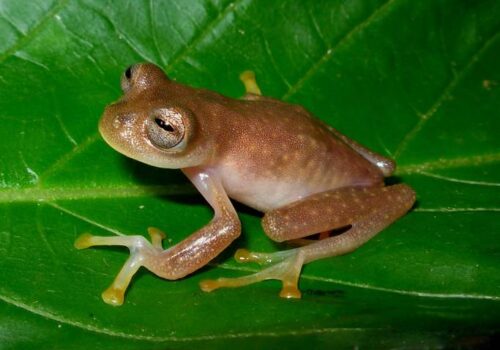
Hidden beneath the lush, mist-laden canopy of Colombia’s cloud forests resides an amphibian that seems crafted from delicate emerald glass—Nymphargus ruizi. Known commonly as Ruiz’s glass frog, this extraordinary species embodies both the stunning beauty and fragile vulnerability that characterize its rainforest home. Peer closely, and beneath its translucent belly, you might glimpse the rhythmic beat of its tiny heart or the delicate lacework of its veins. A true marvel of evolution, this enchanting frog serves as an eloquent ambassador for biodiversity and conservation.
Classified scientifically within the family Centrolenidae, this remarkable glass frog species stands out not only due to its aesthetic grace but because of its importance in understanding ecosystem health. With their sensitivity to environmental change, glass frogs like Nymphargus ruizi provide crucial insights into the well-being of the habitats they inhabit. But why does this delicate creature deserve our admiration and protection? Join me as we journey through misty waterfalls, pristine streams, and verdant tropical foliage to explore the fascinating world of Ruiz’s glass frog.
Taxonomy and Classification: The Glass Frog Family Tree#
Nymphargus ruizi belongs to the family Centrolenidae, a group renowned globally as glass frogs due to their translucent bodies through which internal organs are visible—nature’s delicate architectural masterpieces. Identified scientifically for the first time by researchers Lynch and Duellman in 1997, Nymphargus ruizi is categorized under the genus Nymphargus, which hosts several other similarly captivating species.
This frog’s specific epithet, ruizi, honors Colombian biologist Pedro Ruiz-Carranza, a dedicated herpetologist whose extensive work contributed significantly to the biodiversity knowledge of Colombia’s amphibians. While closely related species within the genus share comparable morphological features, Nymphargus ruizi boasts distinctive traits and ecological preferences that set it apart in its impressively bio-diverse homeland.
Natural Habitat: Life in Colombia’s Misty Realms#
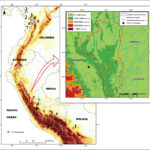
Nymphargus ruizi has chosen as its home the humid subtropical and tropical ecosystems of Colombia’s Andean foothills. Restricted primarily to the western slopes of the Central and Western Cordillera mountain ranges, this elusive amphibian thrives between elevations of approximately 1,800 and 2,300 meters above sea level. Its survival depends greatly on pristine cloud forests—habitats characterized by perpetual mist, evergreen vegetation, and pristine, cascading streams.
Micro-Habitats and Ecological Preferences#
Imagine a place, perpetually cloaked in gentle fog, where lush moss carpets the bark of trees, and epiphytes drape from sturdy branches like living ornaments. Here, amidst dripping leaves and sparkling droplets, is precisely where Nymphargus ruizi finds refuge. These glass frogs prefer canopy-covered ravines near fast-flowing mountain streams and small waterfalls—habitats providing ample moisture, oxygen-rich environments, and abundant prey.
The altitudinal range chosen by Nymphargus ruizi supports not only its delicate physical makeup but also enables specialized ecological niches. Its entire existence—from mating and egg-laying to daytime repose upon the undersides of lush foliage—revolves around the intimate relationship this species maintains with water and humidity.
Physical Characteristics: Beauty in Translucence#
When encountering Nymphargus ruizi, one might feel they’ve stumbled upon pure elegance sculpted into a living form. Measuring approximately 20–24 millimeters in length, the Ruiz’s glass frog is strikingly petite. Yet, what these creatures lack in size, they compensate for in their remarkable translucent skin, which reveals organs such as the heart and liver. This feature, coupled with their pale green dorsal coloration adorned by fine white speckling, offers ingenious camouflage amidst leaves drenched in condensation and mist.
Their vibrant green-to-yellowish dorsal surfaces fade seamlessly into clearer hues along their sides, with ventral skin transparently showcasing bones and blood vessels. Scientists suggest this unique transparency evolved as an adaptive camouflage against predators, breaking down the visual outline and rendering the frogs nearly invisible against leaf backdrops.
Behavior and Life Cycle: A Symphony of Survival#
The behavioral aspects of Nymphargus ruizi offer intriguing insights into its intricate lifestyle. Like other glass frogs, most activities begin at twilight when shadows deepen, humidity rises, and potential predators fade into darkness. Nocturnal by nature, these frogs engage in spirited hunting and mate-seeking excursions after sunset, blending seamlessly into their ethereal habitats.
Feeding and Foraging Habits#
In contrast to their fragile appearance, Nymphargus ruizi frogs are precise and skillful hunters. Their diet primarily consists of small insects like ants, flies, and beetles, which the frogs expertly catch with a deft flick of their sticky tongues. Swift, silent movements ensure minimal exposure to potential predators when ambushing prey—making each glistening leaf and trembling insect part of a delicate dance of predator and prey in the rainforest’s nocturnal spectacle.
Breeding and Parental Strategies#
Perhaps the most endearing aspect of glass frog life occurs during breeding seasons. Males produce melodious calls, audible as soft, ticking chirps, resonating gently through the humid nocturnal air, enticing potential mates to oviposition (egg-laying) sites. After female selection, eggs are meticulously deposited in clusters on damp leaves above running water streams, minimizing predation risks from terrestrial predators.
Uniquely attentive parents, male Nymphargus ruizi individuals vigilantly guard egg masses, regularly moistening them to prevent desiccation. Remarkably, when larvae hatch, tadpoles drop directly into the fast-running water below, initiating life stages entirely within the pristine freshwater, developing unnoticed into transformed juveniles poised to ascend again into arboreal refuges.
Ecological Role: Guardians of Ecosystem Balance#
As both predator and prey, Nymphargus ruizi plays a vital role in maintaining a balanced and healthy ecosystem. It assists significantly in insect population control while simultaneously sustaining larger predators such as spiders, snakes, and various birds. Beyond direct food-web interactions, their heightened sensitivity to habitat alterations positions these frogs as effective early indicators of environmental health, warning ecological monitoring programs against impending disruptive threats like pollution or climate change.
Threats and Conservation Status: A Fragile Future#
Despite its remote habitats, Nymphargus ruizi faces daunting threats altering its current trajectory toward vulnerability. Primary threats include habitat loss resulting from agricultural encroachment, expanding coffee plantations, illegal logging, and infrastructure developments fragmenting essential habitat corridors. Additionally, climate change introduces dramatic shifts in precipitation and temperature—altering micro-climates upon which these frogs rely—potentially disrupting breeding seasons and larval development.
IUCN Conservation Status#
Nymphargus ruizi is currently assessed as Near Threatened by the International Union for Conservation of Nature (IUCN). Acknowledging growing human pressures and the vulnerability of specialized habitats, conservation strategies emphasize habitat preservation, scientific research, and community engagement to halt potential population declines.
Cultural and Scientific Significance: Symbolism and Learning#
Within communities near their habitats, Nymphargus ruizi and related glass frog species often symbolize purity and delicate beauty, grounding traditional beliefs that regard these frogs as forest guardians or indicators of environmental purity. Scientifically, their physiological specialization offers profound insights into evolutionary biology, environmental monitoring, and developmental biology, illuminating delicate yet resilient mechanisms of adaptation and survival.
Conclusion: Protecting the Transparent Wonder of Colombia#
Nymphargus ruizi, Colombia’s remarkable glass frog, represents nature at its most intricate, elegant, and vulnerable. Their story invites a greater respect for ecosystem interconnections and emphasizes the importance of preventative conservation tailored explicitly toward our planet’s most delicate inhabitants. By safeguarding the pristine cloud forests of Colombia, we also protect countless unseen ecological interactions, ensuring that future generations might also marvel at these enchanting jewels of biodiversity.
Interested in contributing towards glass frog conservation? Educate others, support local initiatives, and advocate for habitat preservation—you may just help secure the transparent heartbeat of the Andean cloud forests.