- Nymphargus nephelophila: Unveiling the Cloud-Loving Glass Frog of the Andes
- Taxonomy and Classification
- Natural Habitat: Living Above the Clouds
- Distinctive Physical Characteristics
- Behavior and Life Cycle: Secrets Beneath the Mist
- Ecological Role and Interactions
- Threats and Conservation Status: Surviving on Fragile Ground
- Cultural and Scientific Significance: Guardians of the Clouded Realms
- Conclusion: Protecting a Jewel Among Leaves
Nymphargus nephelophila: Unveiling the Cloud-Loving Glass Frog of the Andes#
Amidst the lush, moisture-laden forests that drape the eastern slopes of the Andes, a delicate guardian hides quietly beneath dew-kissed leaves. Glints of emerald peek through the velvet fog, revealing a creature whose very name speaks of its affinity for ethereal, cloud-draped habitats: Nymphargus nephelophila, known affectionately as the cloud-loving glass frog.
This exquisite amphibian, notable for its translucent skin which renders it almost invisible against verdant foliage, belongs to the burgeoning family Centrolenidae, the glass frogs. Its unique biology and vulnerabilities provide scientists and conservationists with compelling insights into ecosystems often obscured by mist and mystery. Join us as we delve deep into the hidden world of Nymphargus nephelophila, revealing the secrets that make this species both captivating and ecologically significant.
Taxonomy and Classification#
Nymphargus nephelophila was described scientifically for the first time relatively recently—but since its discovery, it has captured the attention of amphibian enthusiasts worldwide. Classified within the family Centrolenidae, it belongs to the genus Nymphargus, a group distinguished by delicate, almost ethereal appearance, and transparent abdominal skin that provides a striking view into their internal workings.
The genus name Nymphargus combines “nymph,” symbolizing a gentle spirit tied closely to water and nature, and “argo,” combining to evoke elusive, mythological qualities associated with these creatures. The species epithet “nephelophila” derives from ancient Greek and translates roughly to “cloud-lover,” aptly descriptive of the frog’s ideal habitat—high-altitude cloud forests.
Within Centrolenidae, closest relatives to N. nephelophila include similar glass frog species that occupy overlapping habitats, sharing adaptations such as transparent skins, arboreal niches, and unique reproductive behaviors. Researchers continue to explore the subtle differences and evolutionary relationships within this fascinating amphibian lineage.
Natural Habitat: Living Above the Clouds#
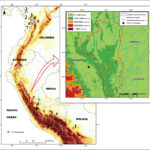
The endemic range of Nymphargus nephelophila includes the montane cloud forests of southern Ecuador and northern Peru, primarily occurring at elevations ranging from 1,500 to 2,500 meters above sea level. These humid, mist-cloaked ecosystems represent biodiversity hotspots, characterized by exceptional moisture and stable, moderate temperatures—perfectly suited for amphibian life.
Walking beneath these towering canopy layers is like stepping into an enchanted world. Moss-covered branches drip steadily with moisture; streams trickle gently through knotted roots; silence reigns but is occasionally punctuated by a chorus of creatures. Amid this damp, verdant scene, N. nephelophila makes its modest kingdom.
Unlike more familiar frogs which linger near ponds and marshes, glass frogs prefer vegetated stream margins within mountainous forests. They reside predominantly on foliage hanging above clear, flowing streams—strategically positioning themselves within reach of water yet elevating beyond ground-level predators. Leaves become their homes, dormitories, and nurseries. The perpetual cloud drapery provides essential humidity, protecting their delicate skin from desiccation.
Distinctive Physical Characteristics#
A meeting with Nymphargus nephelophila in person is an encounter marked by quiet awe. Adults measure no more than 23 to 27 millimeters, smaller than the average thumb. Their fragile build is clad in luminous shades of green, ranging from vibrant lime to deep emerald, gently peppered by flecks of cream or gold. The eyes, disproportionately large and protruding, glisten and provide a vivid contrast against this delicate body coloration.
The defining characteristic of this glass frog, shared by its relatives, is the transparent underside. When illuminated from below, one can glimpse a fascinating biological spectacle—the rhythmic beating of the frog’s tiny heart, pulsating blood vessels, and even the outline of internal organs, a trait both mesmerizing to observe and concurrently serving effective camouflage from unsuspecting predators beneath them.
Their coloration isn’t simply an artistic flourish but a masterstroke of evolutionary adaptation. By blending seamlessly within hue and vegetation, N. nephelophila employs a sophisticated form of deception, one critical to survival in the crowded, predator-rich cloud forest habitat.
Behavior and Life Cycle: Secrets Beneath the Mist#
Nocturnal Predators in Miniature#
The daily routine of Nymphargus nephelophila unfolds primarily under the cover of darkness. When the sun dips below the western ridges of the Andes, glass frogs become active, scouring leaves and branches for a varied meal of small insects—particularly flies, spiders, ants, and small beetles. Their large, sensitive eyes are finely tuned to spot minuscule prey in near pitch-dark conditions.
A Serenade in the Mist—Reproductive Habits#
During wet-season months, male frogs gather near streams, initiating gentle yet persistent choruses—a soft chiming symphony resounding through the evening air. Their call, a delicate series of clicks and trills, serves the dual purpose of asserting territorial boundaries and attracting potential mates.
A receptive female, enticed by a male’s vocal prowess, chooses her partner based on call intensity and frequency. Following successful mating, which often takes place among leaves above rushing streams, the female deposits between 10 to 40 gelatinous eggs onto the lower sides of leaves hanging strategically above water bodies.
A Dedicated Vigil—Parental Duties#
In an act somewhat rare among amphibians, males of the species assume responsibility after eggs are laid. They stand sentinel near the egg clusters, diligently guarding and hydrating them, even gently moistening them with their own bodies if required. Such passionate parenting behavior drastically improves the offspring’s survival chances, safeguarding them from predation, desiccation, and fungal infections. Eventually, tadpoles hatch, slipping from leaves directly into streams below, where they begin their aquatic journey.
Ecological Role and Interactions#
Nymphargus nephelophila functions as both predator and prey, making it an essential thread woven throughout the forest’s ecological tapestry. As predators, they help control insect populations, mitigating outbreaks of potentially harmful insects and influencing the ecological balance within these sensitive montane forest ecosystems.
Conversely, they provide sustenance to a diversity of predators, including snakes, birds and certain bat species adeptly skilled in nocturnal hunting. Their presence signals environmental quality to scientists; glass frogs are often regarded as bioindicators, sensitive to even the slightest environmental perturbations, highlighting overall ecosystem health.
Threats and Conservation Status: Surviving on Fragile Ground#
Currently classified by the IUCN (International Union for Conservation of Nature) as “Near Threatened,” actively monitoring Nymphargus nephelophila populations remains critically important. The threats these frogs face mirror concerning global trends—habitat fragmentation and loss driven by agriculture, logging, climate change, and expanding human settlements continue to chip away at the verdant mosaic home.
An additional threat arises from disease, notably chytridiomycosis—caused by a fungal pathogen devastating amphibian populations worldwide. Climate shifts altering moisture patterns and temperature fluctuations could exacerbate vulnerability to this deadly fungus, underscoring the urgency for conservation vigilance.
Fortunately, several organizations and local initiatives aim to protect and restore cloud-forest habitats. Collaborative partnerships between conservationists, local communities, and governmental bodies have begun to implement carefully designed management strategies, underscoring the importance of continual ecosystem research and long-term protection efforts.
Cultural and Scientific Significance: Guardians of the Clouded Realms#
Despite its discreet existence among Andean forests, glass frogs like Nymphargus nephelophila have increasingly captured public imagination and academic interest alike. Local indigenous traditions in various South American regions illuminate their cultural reverence towards such elusive creatures, often symbolizing purity, renewal, or even predictors of weather.
Scientifically, these frogs have become valuable indicators in climate change research—small amphibians reflect broader ecological shifts, becoming key assets in conservation monitoring programs worldwide.
Conclusion: Protecting a Jewel Among Leaves#
Nymphargus nephelophila, hidden among misty treetops, symbolizes the delicate harmony and profound beauty of cloud-forest habitats. Encounters with this tiny, jade-colored jewel stir fascination and reverence, urging us toward deeper connection and commitment to conservation. As guardians of our world’s hidden treasures, let us step forward together—to preserve not only their realm but the intricate biodiversity that sustains us all.