- Nymphargus mixomaculatus: The Enchanting Secrets of Ecuador's Cloud Forest Glass Frog
- Taxonomy and Classification: The World of Glass Frogs Revealed
- A Life Among Mist: Natural Habitat of Nymphargus mixomaculatus
- Transparent Wonders: Physical Characteristics of Nymphargus mixomaculatus
- Under the Cover of Night: Behavior and Lifecycle
- A Keystone of the Clouds: Ecological Role of Nymphargus mixomaculatus
- Fragile Beauty in Crisis: Threats and Conservation Status
- Affecting Humanity: Cultural and Scientific Insights
- An Invitation to Care and Curiosity
Nymphargus mixomaculatus: The Enchanting Secrets of Ecuador’s Cloud Forest Glass Frog#
In the mist-shrouded cloud forests of Ecuador, concealed among lush foliage, a delicate amphibian thrives in quiet secrecy. Its nearly transparent body sparkles like a living jewel, its soft skin shimmering in the dappled forest light. This remarkable creature is the glass frog known as Nymphargus mixomaculatus—a tiny storyteller of ecosystems functioning harmoniously beneath the forest canopy. This elusive frog embodies a captivating convergence between beauty and biological mystery, attracting scientists and nature lovers alike.
Discovered relatively recently and often overshadowed by larger or more charismatic forest dwellers, Nymphargus mixomaculatus nonetheless offers invaluable insights into biodiversity, ecological coherence, and conservation urgency. Join us on this immersive exploration into the hidden world of the “mixed-spotted” glass frog, where transparent beings illuminate complex realities of life in the clouds.
Taxonomy and Classification: The World of Glass Frogs Revealed#
Falling under the order Anura, the class Amphibia, and belonging to the family Centrolenidae, the species Nymphargus mixomaculatus exemplifies the extraordinary diversity within the “glass frog” group. Linguistically connected to the Greek nymphs of mythology due to their graceful form, the genus Nymphargus comprises several visually unique species distinguished by their translucent undersides and delicate stature.
Named for its characteristic spotted appearance—”mixomaculatus” literally translating to ‘mixed spots’—this frog displays patterns that stand out starkly against its transparent tissues. The transparent abdomen common within the Centrolenidae family allows observers to view internal organs, yielding fascinating insights into amphibian physiology. Closely related species like Nymphargus grandisonae and Nymphargus griffithsi share similar habitats and intriguing translucent qualities, forming a complex mosaic of cloud-forest specialist amphibians across Ecuador’s Andean slopes.
A Life Among Mist: Natural Habitat of Nymphargus mixomaculatus#
An Amphibian Eden in Ecuadorian Cloud Forests#
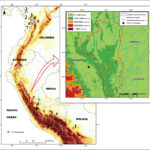
Nymphargus mixomaculatus inhabits precisely the kind of tropical montane ecosystems that conjure images of natural splendor and biotic wonder. Cloud forests, typically found from 800 to over 2000 meters elevation in the Andes, are cool, humid, and blanketed in perpetual mist—a nearly mystical environment brimming with biodiversity.
The mixomaculatus glass frog favors habitats adjacent to pristine mountain streams and waterfalls, seeking refuge among large, shiny-leaved plants, epiphytes, moss-covered branches, and riverine vegetation. Here, hidden from predators and environmental stressors, these frogs shelter during daylight hours, emerging only at night to engage in chorus calls and nocturnal hunting.
Adapted to life along mountainous, high-humidity climates, these frogs rely heavily on intact environmental conditions. Their dependence on streams and moisture-rich air makes them especially sensitive indicators of ecosystem health, translating tiny changes in climate or habitat quality into measurable shifts in their populations.
Transparent Wonders: Physical Characteristics of Nymphargus mixomaculatus#
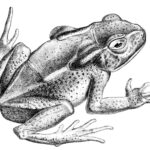
This diminutive amphibian seldom surpasses an adult body length of 23–28 millimeters—small enough to rest comfortably upon a fingertip. But its size does not diminish its charm; rather, it enhances the inherent wonder of its transparency. The most captivating feature of N. mixomaculatus is its translucent skin, particularly along the ventral surface, where internal organs like the heart, liver, and intestinal tract are intriguingly visible, providing a unique scientific perspective into amphibian biology.
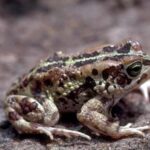
The dorsal surface of the frog, contrasting with its transparent belly, exhibits a mosaic of fine, pale-yellow and green-white spots against an emerald or olive backdrop. Eyes conspicuously project from the head, contributing a bright, golden-emerald coloration, lending these frogs their curious, secretive expressions. This remarkably adapted coloration aids it splendidly in camouflage against leafy vegetation, protecting it from predatory eyes.
Under the Cover of Night: Behavior and Lifecycle#
Feeding Habits and Predatory Strategies#
Nymphargus mixomaculatus, like its glass frog relatives, thrives largely nocturnally. Its diet chiefly consists of small insects, including flies, moths, small beetles, and ants. Expertly camouflaged, the frogs employ opportunistic hunting behaviors, ambushing small prey within their territories under the canopy’s protective darkness, thus maintaining essential balance within insect populations.
Beneath the Leaves: An Extraordinary Breeding Strategy#
Arguably most intriguing is Nymphargus‘ reproductive behavior. Male frogs congregate along forest streams, performing chorus calls to attract females—soft, melodic sounds faintly audible amid the nightly symphony of the cloud forest. Courtship culminates in specialized egg-laying behaviors, where females carefully deposit egg clusters, often numbering around twenty to thirty transparent eggs, onto carefully selected leaves suspended elegantly above rushing streams.
Here, the male guards and tends to these egg clusters, a behavior more frequently observed in glass frogs than in many amphibians. This fatherly vigilance ensures eggs remain moist, safe from harmful insects, and protected from mold and fungi—an impressive demonstration of amphibian parental care.
Upon hatching, tadpoles release into the freshwater stream below, completing their developmental journey underwater. Tadpoles adapt quickly to life in fast-moving streams, scraping algae and detritus from stones until metamorphosing into tiny but fully developed frogs, prepared to navigate their dense, wet-forest habitat.
A Keystone of the Clouds: Ecological Role of Nymphargus mixomaculatus#
Despite their modest size, Nymphargus mixomaculatus holds substantial ecological significance. Acting simultaneously as predator and prey, the frogs influence insect populations while providing an essential food source for birds, mammals, and larger amphibians or reptiles reliant on consistent supplies of prey. Furthermore, their distinct sensitivity to environmental changes, particularly regarding moisture and temperature trends, renders them crucial bioindicators able to signal ecosystem health to scientific observers.
Their presence or absence can help ecologists rapidly assess habitat quality and guide conservation priorities effectively—a powerful attribute in today’s swiftly altering environmental scenarios.
Fragile Beauty in Crisis: Threats and Conservation Status#
Unfortunately, like amphibians worldwide, N. mixomaculatus faces immediate and escalating threats. Habitat destruction and degradation, primarily due to agriculture, deforestation, mining, and human settlements, are significant concerns. Moreover, climate change is altering rainfall patterns and temperatures, disrupting the intricate balance upon which cloud-forest species depend. Additionally, the spread of rampant fungal diseases, notably the deadly chytrid fungus (Batrachochytrium dendrobatidis), has already impacted numerous amphibian species in the region.
The International Union for Conservation of Nature (IUCN) lists Nymphargus mixomaculatus as “Data Deficient,” suggesting that more detailed research is urgently needed to establish conservation strategies. Protecting cloud forests through reserves, improved forest management, and targeted amphibian conservation research remain undeniably critical pathways toward this species’ protection.
Affecting Humanity: Cultural and Scientific Insights#
Glass frogs like Nymphargus mixomaculatus inherently symbolize fragility and interconnectedness of life, an inspiration for communities to protect and treasure ecosystems around them. Scientifically, understanding their transparency could provide extensive insights into organ development, physiology, and evolutionary adaptations.
Researchers exploring these frogs frequently uncover new compounds beneficial to medical fields or innovative bioengineering solutions inspired by their unique physiology. Thus, such understated creatures not only captivate naturalists’ hearts—they profoundly expand scientific frontiers.
An Invitation to Care and Curiosity#
Nymphargus mixomaculatus encapsulates the quiet, delicate charm and challenging fragility characteristic of Ecuador’s precious cloud forests. In illuminating their biology and conservation significance, we rediscover our profound human obligation to preserve biodiversity and ecological balance within these exceptional regions.
Let the story of this enchanting glass frog invite us all into renewed curiosity, conservation commitment, and deeper awe at nature’s astonishing tapestry—a world where even the tiniest, translucent being holds great responsibility and unmatched beauty.