- Unveiling the Enchantment of the Glass Frog: An In-depth Exploration of <em>Nymphargus megacheirus</em>
- Taxonomy and Classification
- Natural Habitat: A Mystical Realm Amidst the Clouds
- Physical Characteristics: Nature's Transparency at its Best
- Behavior and Life Cycle: An Intimate Portrait of Survival
- Ecological Role: Guardians of a Balanced Ecosystem
- Threats and Conservation Status: Protecting an Emerald Treasure
- Cultural and Scientific Significance: The Transparent Ambassador
- Conclusion: A Call to Preserve the Delicate Beauty of <em>Nymphargus megacheirus</em>
Unveiling the Enchantment of the Glass Frog: An In-depth Exploration of Nymphargus megacheirus#
Hidden deep within the lush, humid montane forests of Latin America, the delicate and mesmerizing glass frog Nymphargus megacheirus awaits discovery. At first glance, it may seem almost surreal—a creature formed from nature’s purest inspiration. Indeed, its translucent skin affords a tantalizing glimpse into its inner workings, a remarkable evolutionary adaptation that has fascinated biologists and nature lovers alike. Nymphargus megacheirus, belonging to one of nature’s most intriguing amphibian families, offers invaluable lessons on evolution, ecology, and conservation, nestled beautifully within the backdrop of its cloud-forest home.
This captivating species, sometimes referred to as the broad-handed glass frog, possesses an inherent fragility and a delicate charm that juxtaposes starkly with its critical ecological role. Let us embark on a journey through mist-covered leaves and gently murmuring streams to explore the hidden world of this remarkable amphibian, understanding why its survival intertwines intimately with our own.
Taxonomy and Classification#
Scientifically known as Nymphargus megacheirus, this intriguing frog is a member of the Centrolenidae family—commonly referred to as glass frogs due to the translucent appearance characteristic of many species within this family. First identified by researchers and herpetologists Lynch and Duellman in 1973, Nymphargus megacheirus stands out even among its glass-frog relatives due to its unique habitat, anatomical features, and behavior.
The genus Nymphargus comprises numerous species exhibiting subtle variances in appearance and habits. The name “megacheirus” is derived from Greek roots meaning “large-handed,” aptly describing the relatively generous size of its digital discs compared to closely-related species—an adaptation perfect for its arboreal lifestyle among moisture-laden leaves and branches.
Natural Habitat: A Mystical Realm Amidst the Clouds#
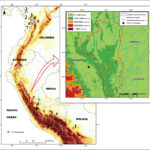
To fully appreciate the complex beauty of Nymphargus megacheirus, we journey to the pristine montane cloud forests of Colombia and Ecuador, environments that offer ideal conditions for this amphibian’s survival. Its range primarily extends through the Pacific slopes of the Andes Mountains, an area known for its high rainfall, abundant humidity, and steady temperatures—a perfect recipe for life-rich biodiversity hotspots.
Within these lush elevations between roughly 800 to 1700 meters above sea level, delicate nuances dictate habitat preferences. Found frequently near clear-flowing mountain streams, this glass frog thrives amid overhanging foliage, often close to water bodies essential for egg laying. Leaves expand like platforms above gently running streams, providing secure nurseries for eggs and shading protection from predators and direct sunlight.
The region’s constant moisture encourages a profusion of plants such as mosses, ferns, bromeliads, and orchids, which are integral to the frog’s life cycle. Here, Nymphargus megacheirus demonstrates a unique harmony, perfectly adapted to a life entwined with its perpetually wet and vegetated realm. Through natural camouflage and cryptic behavior, it masterfully merges unnoticed into these emerald landscapes.
Physical Characteristics: Nature’s Transparency at its Best#
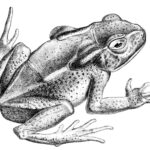
Perhaps the most remarkable feature of the broad-handed glass frog is the translucent quality of its ventral skin—a biological marvel. Averaging around 25 to 30 millimeters in length, this small amphibian showcases an emerald-green or pale-lime dorsal pigmentation, adorned with tiny pale spots gently dispersed across its slender body. But it is the frog’s underside that invites perpetual wonder. The transparency is so striking that the observer can clearly observe internal organs—the heart rhythmically pulsing, blood vessels branching intricately beneath delicate tissue, and digestive organs occasionally visible in motion.
This level of transparency is unusual even among amphibians, providing unique evolutionary advantages. Scientists posit transparency helps camouflage the frog among its leafy surroundings by diffusing outlines, making it a less visible target for predators situated below. The slightly oversized fingertips—a visual hallmark suggested by the species’ name—facilitate superior grip on slick, moisture-laden leaves and steeply angled vegetation. This physical adaptation proves essential in navigating the slippery canopy world.
Behavior and Life Cycle: An Intimate Portrait of Survival#
The Enigmatic Lifestyle of a Leaf Dweller#
Nymphargus megacheirus is predominantly nocturnal, resting concealed during daylight hours in hidden crevices, under foliage, or within tightly furled leaves. As darkness envelops the cloud forests, these tiny amphibians become active predators, characteristically patient and controlled hunters. Their diet primarily consists of small arthropods like flies, ants, spiders, and other minute insects abundant in their arboreal habitat.
A Melodious Courtship and Dedicated Parenthood#
Frogs within the glass frog family exhibit well-documented and fascinating reproductive behaviors. During the rainy breeding season, male Nymphargus megacheirus positioned strategically along streamside vegetation produce gentle, whistling calls—distinct yet subtle melodies audible only to the attentive forest-goer. Through these vocalizations, males attract females and simultaneously ward off potential rivals from their chosen breeding territory.
Upon acceptance by a female partner, they deposit egg clutches directly onto the undersides of leaves dangling securely above slow-flowing creeks. This placement is no coincidence; hatching tadpoles can drop safely into the water, protected from many terrestrial predators. Often, male adult frogs exhibit parental vigilance, staying close by and bravely defending young against potential threats. The subtleness of their parenting illustrates a touching counterpart to their fragile appearance.
Ecological Role: Guardians of a Balanced Ecosystem#
Though diminutive, glass frogs like Nymphargus megacheirus play significant ecological roles in montane forest ecosystems. As insectivores, they help naturally regulate insect populations, maintaining an ecological balance vital to preventing pest outbreaks that could harm vegetation or disrupt the delicate balance of food webs. Furthermore, their presence indicates a healthy, biodiverse ecosystem, as amphibians are renowned bioindicators sensitive to ecological disruptions.
Simultaneously, these charming frogs are prey to various predators, including birds, snakes, spiders, and even large insects. This symbiotic predator-prey relationship maintains ecological stability, underscoring the fragility and interconnectedness of these ecosystems.
Threats and Conservation Status: Protecting an Emerald Treasure#
Unfortunately, the enchanting beauty and delicate adaptability of Nymphargus megacheirus cannot shield it completely from today’s mounting environmental threats. Habitat destruction due to expanding agriculture, logging practices, and infrastructure developments forms a formidable threat to their survival. Climate change further clouds their future, disturbing rainfall patterns and temperatures essential for their moisture-dependent life cycle.
Currently assessed by the International Union for Conservation of Nature (IUCN) as Near Threatened, Nymphargus megacheirus enjoys some protection where their range overlaps with established conservation and nature reserves. Organizations, biologists, and local communities increasingly recognize the need to conserve vulnerable ecosystems, protecting not just this ephemeral species but an entire realm of interconnected life.
Cultural and Scientific Significance: The Transparent Ambassador#
Glass frogs have captured imaginations and inspired curiosity beyond scientific circles. Their ethereal transparency symbolizes an intriguing natural mystery, often referenced culturally as symbolic of transcendence, fragility, and purity. Importantly, the species also continually contributes to scientific research, teaching us lessons on evolutionary adaptations, habitat management, and ecosystem health. The transparent anatomy serves as a living laboratory aiding scientists striving to understand amphibian physiology, developmental biology, and toxicology—a powerful biological messenger nudging humanity toward greater environmental consciousness and compassion.
Conclusion: A Call to Preserve the Delicate Beauty of Nymphargus megacheirus#
Embodying grace, resilience, and ecological significance, the broad-handed glass frog remains a small but powerful symbol of Earth’s biodiversity and vulnerability. By unveiling the hidden life of Nymphargus megacheirus, we gain crucial insights into our natural world’s interdependence—insights that implore us to protect its habitat, acknowledge its intrinsic value, and ensure its continued survival. As stewards of nature’s wonders, let us commit to nurturing the cloud forests and the extraordinary lives they shelter, ensuring that this translucent treasure continues enriching our planet for generations to come.