Nymphargus rosada: The Enigmatic Rosy Glass Frog of the Andean Cloud Forests#
Introduction#
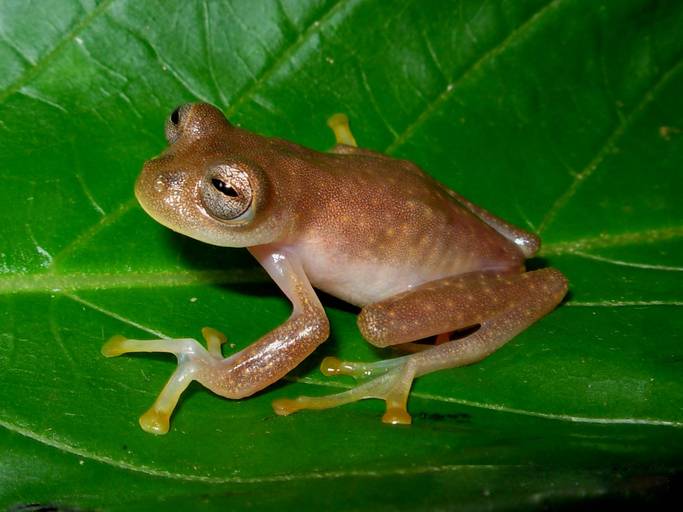
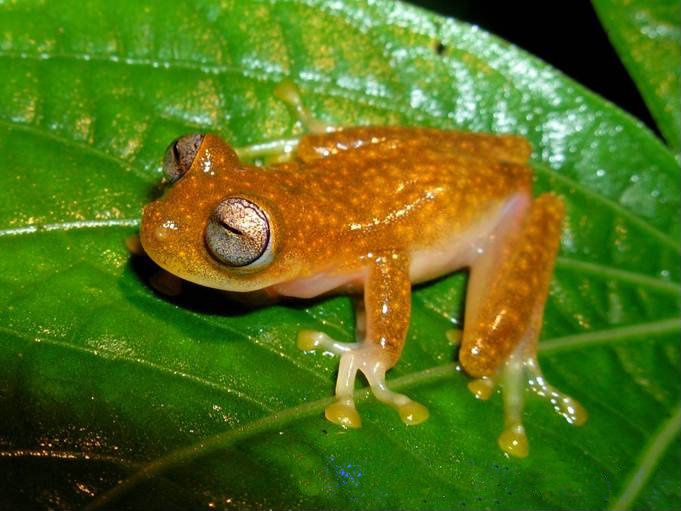
Perched amidst mist-shrouded leaves in the cloud forests of the Ecuadorian Andes, a tiny translucent marvel silently reigns supreme. Its delicate pinkish hues and glasslike appearance have earned it the poetic name “rosy glass frog,” yet to science, it is formally known as Nymphargus rosada. Discovered relatively recently, this species has swiftly become an ambassador for the bustling biodiversity and fragile beauty hidden within the verdant montane forests of South America.
As its common name suggests, Nymphargus rosada embodies the translucent elegance characteristic of glass frogs (family Centrolenidae), with an exceptional tint of delicate rose coloration rarely seen within its kind. But beyond its mesmerizing exterior lies a fascinating life cycle, unique behavioral patterns, and a crucial ecological role—an existence intricately bound to the health of its threatened habitat.
Join us on this immersive journey as we unveil the mysteries of the exquisite rosy glass frog, examining not only its striking appearance and remarkable adaptations but also underscoring the urgent need for conservation in its cloud forest home.
Taxonomy and Classification#
The rosy glass frog belongs to the diverse family Centrolenidae, known commonly as glass frogs due to their semi-transparent skin. Within this family lies the genus Nymphargus, comprising several species distinguished primarily by subtle aspects of anatomy, genetics, and calls. Nymphargus rosada was scientifically described by Guayasamin and colleagues in 2009 following intensive fieldwork in the Ecuadorian Andes.
This species shares strong evolutionary links with close relatives such as Nymphargus griffithsi and Nymphargus grandisonae, though its exceptional coloration, distinct genetic markers, and vocalization distinguish it clearly as a separate species. Identifying and classifying species accurately is essential for understanding biodiversity and implementing conservation efforts accordingly, adding weight to the discovery of this remarkably unique amphibian.
Natural Habitat#
A Cloud Forest Dweller#
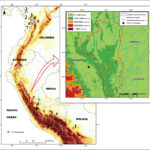
Endemic to the western slopes of the Andes in Ecuador, Nymphargus rosada resides primarily within verdant, moist cloud forests situated between elevations of approximately 1,400 and 2,200 meters. These richly biodiverse habitats are enveloped in near-perpetual mists, creating a stable, cool, and high-humidity environment ideal not only for amphibians but for countless other lifeforms.
The rosy glass frog prefers a pristine and structured canopy environment composed of moss-laden trees, epiphytes, and dense foliage. Here, mountain streams gently cascade through rocky channels, providing the consistent humidity and freshwater resources essential to the amphibian life cycle. Within this lush habitat, the frog is perfectly adapted for cryptic living, hiding within broad-leafed vegetation and suspended above streams, remaining largely unnoticed by predators and human eyes alike.
A Complex Interaction With Its Environment#
The survival of Nymphargus rosada hinges upon a precise balance of temperature, moisture, and vegetation. Cloud forests provide ideal flooring layers of moss and leaf litter, harboring insect prey—crucial for this small frog’s diet; meanwhile, nearby streams facilitate reproduction by offering suitable sites for egg deposition and tadpole development.
The resilience and adaptability of rosy glass frogs are tested by environmental changes, from subtle climatic shifts to deforestation and habitat fragmentation. Their presence serves as a testament to ecosystem health—when frogs decline, it serves as a critical indicator, signaling ecologists that something crucial in the environment’s equilibrium has been disrupted.
Physical Characteristics#
A Translucent Elegance#
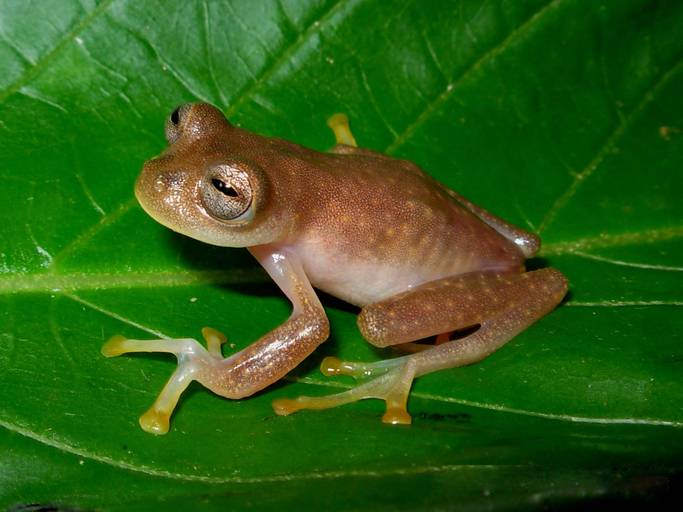
Measuring roughly 24-28 millimeters in size, the rosy glass frog showcases the true artistry of natural evolution. Its dorsal skin radiates delicate shades of pastel pink intertwined softly with pale green pigments, creating an almost ethereal impression. The abdomen grants its ‘glass frog’ title, clearly revealing internal organs—its pulsating heart, winding intestines, and coursing blood vessels become a visible living anatomy lesson.
This transparency isn’t merely an aesthetic phenomenon; rather, evolutionary biology suggests it may act as effective cryptic camouflage, confusing potential predators and letting the frog blend seamlessly into its surroundings. Coupled with minimal markings and naturally occurring irregular patterns, this cryptic coloration significantly increases its survival potential.
Adaptations for Survival#
Robustly evolved digits with expanded tips enable Nymphargus rosada to deftly navigate slippery leaves and elusive perches. These toe pads, functioning akin to delicate adhesive suctions, prove essential for safe and agile movement through branches and leaves, essential for both hunting and evading predators.
Moreover, its large, forward-facing eyes allow exceptional night vision—an adaptation perfectly aligned with its nocturnal lifestyle. Under cover of darkness, this amphibian expertly hunts down diminutive insects ranging from ants to tiny flies, fueling metabolism in this cool mountainous habitat.
Behavior and Life Cycle#
Nocturnal Hunters and Strategists#
Nighttime cloaks the cloud forests in darkness, setting the stage for nightly amphibian operas. Male rosy glass frogs begin their serenades, emitting clear, resonant calling sounds to attract potential mates. Documented as sharp, unmistakable notes, these calls serve both as territorial declaration and mating advertisement, creating complex acoustic landscapes only discerned by attentive biologists and fortunate nocturnal wanderers.
Remarkable Reproduction Strategies#
Once mated, female rosy glass frogs deposit small clusters of translucent greenish eggs onto foliage suspended neatly above cool, slow-moving streams. Here, both male and female parents display parental investment atypical for many amphibian species, carefully attending egg clutches—guarding them against fungal infections, dehydration, and predation until hatching occurs.
Upon emerging as tadpoles, gravity and rainfall transport these delicate hatchlings directly into the water below, catalyzing their aquatic tadpole phase, after which they metamorphose into terrestrial juveniles. This remarkable and meticulous reproductive orchestration exemplifies one of the adaptations that eradicate predation risks during early vulnerable stages.
Ecological Role#
Nymphargus rosada, although small in stature, impacts its ecosystem profoundly, serving vital roles as both predator and prey. By regulating insect populations and contributing to nutrient dynamics and predator diets (like birds and snakes), this glass frog ensures balance and functionality of its tropical montane ecosystem. Moreover, its sensitive physiology mainly designates it as an indicator species, aiding researchers in analyzing overall ecosystem health and environmental stressors.
Threats and Conservation Status#
A Species Under Pressure#
Challenges to the rosy glass frog are increasingly alarming, primarily resulting from human-induced factors: deforestation, climate shifts impacting cloud forests, and invasive pathogens such as the chytrid fungus, which severely threaten global amphibian populations.
At present, Nymphargus rosada appears on the IUCN Red List as “Near Threatened,” emphasizing the imperative need to establish concrete conservation strategies. Key recommendations include habitat preservation, effective protected area management, education, and ongoing scientific research to monitor and safeguard populations.
Cultural and Scientific Significance#
Beyond ecological contributions, glass frogs like Nymphargus rosada represent broader cultural symbolism in local communities, often portrayed as emissaries bridging the human-natural divide. Scientifically, these frogs contribute immensely by aiding in studies on amphibian regeneration, toxins, and genome evolution—signifying far-reaching research potential spanning medicine, ecology, and biodiversity.
Conclusion#
Nymphargus rosada surely deserves acknowledgment, protection, and admiration. Every enchanting night-call echoing within the Andean mist reminds us eloquently of our collective responsibility toward safeguarding irreplaceable natural wonders. We urge readers—nature enthusiasts, students, conservation advocates alike—to further explore, support conservation efforts, and continue advocating for the invaluable treasures hidden among our world’s subtler landscapes.