- Introduction: The Ethereal Inhabitants of Cloud Forests
- Taxonomy and Classification
- Natural Habitat: The Cloud-Wreathed Realm of Glass Frogs
- Physical Characteristics: A Living Gem of Transparency
- Behavior and Life Cycle: Stories Told Beneath the Moonlit Leaves
- Ecological Role: Guardians of Biodiversity and Balance
- Threats and Conservation Status: Preserving a Fragile Jewel
- Cultural and Scientific Significance: Beyond Mere Curiosity
- Conclusion: Cherishing Transparent Treasures
Introduction: The Ethereal Inhabitants of Cloud Forests#
Hidden within the mist-covered elevations of the Andean cloud forests lies a secretive amphibian whose translucent body and delicate presence has long inspired awe and fascination. Nymphargus pluvialis, commonly known as the rain-peeper glass frog, is a captivating symbol of biodiversity, thriving in places where clouds gently caress dense montane foliage. Transparent-skinned, luminous, and incredibly adapted to life high above the steaming lowlands, this frog offers both visual elegance and a curious window into amphibian biology.
Bearing a name indicative of the rains—pluvialis translating roughly to “associated with rain”—this gorgeous little frog reminds us that life on our planet expresses itself in the most beguiling forms imaginable. In exploring the quiet, secretive world of Nymphargus pluvialis, we reveal a fascinating narrative of delicate balance, adaptation, and environmental interconnection within South America’s cloud forests.
Taxonomy and Classification#
Nymphargus pluvialis belongs to the amphibian family Centrolenidae, commonly referred to as glass frogs—a group distinctively known for their near-transparent skin through which the internal organs and beating heart of these creatures can clearly be observed. This remarkable family includes approximately 150 described species, grouped within various genera, and spans a distribution primarily synergized with Latin America’s lush highland rainforests.
Initially placed under the genus Cochranella, further morphological studies and sophisticated genetic analyses culminated in its reclassification into the genus Nymphargus. Closely related species within this genus—such as Nymphargus grandisonae and Nymphargus griffithsi—share similar transparent skin and forest canopy adaptation yet vary subtly in geographic distribution and specific habitat preferences.
Natural Habitat: The Cloud-Wreathed Realm of Glass Frogs#
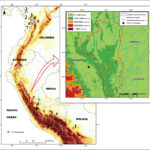
High in the tropical Andes—within the moist, dripping embrace of Ecuador and Colombia’s cloud forests—lives Nymphargus pluvialis. Its range predominantly spans the western slopes of the Andes, where dense vegetation and an abundance of sparkling mountain streams create prime conditions for glass frog life. Typically seeking altitudes between 500 and 2000 meters, these frogs rely heavily on undisturbed habitats rich in humidity and ample leaf litter.
These crystalline amphibians showcase stunning adaptations suited perfectly to their arboreal existence. With agile limbs and specialized transparent toe pads, glass frogs move with skillful grace upon moist leaves and slippery branches. Their affinity for plant-covered riverbanks and shady understory foliage contributes profoundly to their cryptic nature, making sightings a precious, cherished moment for scientists and enthusiasts alike.
The environment they choose is essential, rich with ferns, mosses, epiphytes, and delicate orchids—all dependent upon the misty microclimates and sustained moisture brought by persistent cloud cover. Indeed, the presence of Nymphargus pluvialis often signals environmental health and intact ecosystem conditions, underscoring their role as sensitive indicators of ecological stability.
Physical Characteristics: A Living Gem of Transparency#
Perhaps the defining trait that captivates observers is their extraordinary semi-transparent underside, fashioned by evolution not solely for beauty but as a tactile and strategic advantage in their elemental battle for survival. The body’s unparalleled translucency offers stunning glimpses into their living anatomy, revealing the pulsating heart, intricate vascular networks, and even a fascinating view of their digestive tracts.
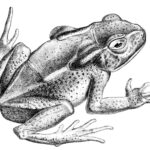
Adults are notably compact, typically measuring mere 2 to 3 centimeters in length—small enough to nestle comfortably within the palm of an explorer’s hand. Their dorsal surfaces display exquisite shades of pale green or lime, speckled delicately with tiny golden or silver-tinted flecks scattered across their smooth skin. These stunning colorations serve as incredibly effective camouflage, blending effortlessly into dew-kissed foliage bathed in moonlight.
The eyes of Nymphargus pluvialis are large, rounded, and forward-oriented, giving them superb nocturnal eyesight to navigate their shadowy world. Their pupils, strikingly horizontal, allow heightened visual acuity and depth perception in dim rainforests—perfect for spotting small prey chasing through the night’s softly illuminated leaves.
Behavior and Life Cycle: Stories Told Beneath the Moonlit Leaves#
The enigmatic lifestyle of Nymphargus pluvialis, like many glass frogs, unfolds predominantly under the veil of nightfall. As daytime secrets into evening, the forests spring alive with melodious choruses emanating from concealed branches—a captivating ensemble of trills and whistles heralding the frogs’ unique mating rituals. Males perch strategically near rushing streams or atop moist leaves, meticulously chosen spots suitable for egg deposition and later tadpole development.
Reproduction and Parental Care#
Courting happens through soft calls echoing across arboreal canopies, drawing a receptive female to a carefully selected leaf hanging safely above flowing streams. This leaf, gently bending with the weight of the couple, serves as the birthplace for countless eggs deposited carefully within a jelly-like protective cluster. One particularly charming aspect of glass frog life is the males’ dedicated parental vigilance. Fathers guard the clutch fearlessly, fiercely defending the eggs from marauding predators such as spiders or even other frogs, hydrating them consistently with dew-laden moisture during their critical developmental stages. This dedicated attentiveness dramatically increases egg survival, exemplifying the gentle yet resilient nature of these amphibians.
When ready, hatching tadpoles gracefully descend into awaiting streams below, transitioning to their aquatic phase where they spend several months feeding primarily on algae and detritus until metamorphosis transforms them into their iconic transparent-headed adult counterpart, fully capable of their arboreal destiny.
Feeding Habits and Hunting Methods#
Nymphargus pluvialis are prodigiously efficient nocturnal hunters. Relying on exceptional eyesight and lightning-fast tongue action, they capture small invertebrates—tiny insects, flies, spiders, moth larvae, and minute arthropods hidden within the verdant complexity of foliage. Waiting quietly in ambush, they seize unsuspecting prey, demonstrating subtlety and precision honed through millions of evolutionary trials.
Ecological Role: Guardians of Biodiversity and Balance#
Glass frogs are integral components of cloud forest ecosystems, serving essential roles both as dedicated insect consumers and vital nutritional resources for higher-level predators. Snakes, birds, and certain insects pose natural threats and predation pressure, establishing them as key intermediate organisms within complex ecological food webs.
Their presence—or absence—can indicate broader environmental changes such as habitat degradation, pollution, or climate-induced fluctuations, which negatively impact their delicate evolutionary balance. Understanding frogs’ ecological roles, such as Nymphargus pluvialis, provides essential insight into forest health and biodiversity resilience.
Threats and Conservation Status: Preserving a Fragile Jewel#
Sadly, life as a delicate glass frog in today’s rapidly changing world exposes Nymphargus pluvialis to significant threats. Accelerating habitat destruction due to agricultural expansion, deforestation for lumber, mining activities, and encroachment by human-made settlements pose imminent danger. Additionally, climate change-driven alterations in rainfall patterns and cloud formation threaten their precisely tuned microhabitats, severely compromising critical breeding conditions.
Thankfully, this elegant species currently holds a stable designation of Least Concern according to IUCN assessments. However, scientists stress vigilance; assessment updates and conservation efforts remain vital preventive strategies to ensure lasting protection of their habitual splendor.
Cultural and Scientific Significance: Beyond Mere Curiosity#
Beyond aesthetic charisma lies profound scientific and cultural value in these fascinating amphibians. New pharmacological studies exploring the biochemical structures within their skin secretions offer exciting promises for biomedical research. Their bodies teach us profound lessons about adaptation, resilience in delicate ecosystems, and the silent warnings they broadcast through population health indicators.
Conclusion: Cherishing Transparent Treasures#
Understanding and celebrating the hidden lives of glass frogs, notably Nymphargus pluvialis, inspires collective devotion to protecting fragile cloud forest ecosystems. May we stay enchanted, informed, and actively committed to safeguarding these dazzling amphibians against an uncertain future—a transparent jewel whose disappearance could dim the mysteries and wonders of our natural world.