Nymphargus Oreonympha: Unveiling the Hidden Beauty of the Glass Frog#
Introduction#
In the lush, enchanting cloud forests of the Andes, cloaked in perpetual mist and vibrant with whispered frog choruses, hides a small, delicate creature of astonishing beauty: the Nymphargus oreonympha. Commonly referred to as the glass frog, due to its captivating translucent skin, this charming amphibian remains shrouded in mystery and intrigue. Native to the lofty elevations of the Andean forests in Peru, this species captures the imagination of researchers and nature enthusiasts alike with its otherworldly appearance and elusive lifestyle.
Scientifically classified as Nymphargus oreonympha, this tiny amphibian epitomizes nature’s knack for delicate artistry, transparency, and ecological grace. Perhaps the most astonishing trait of this glass frog is this transparency, allowing glimpses into its internal organs and lending it a fragile, ethereal appearance that motivates conservationists and ecotourists to fervently champion its preservation.
However, this frog does not merely intrigue through its physical attributes—its nuanced ecological role, intriguing behaviors, and its sensitive dependence on specific habitats add layers of fascination that merit deeper exploration.
Taxonomy and Classification#
Nymphargus oreonympha belongs to the family Centrolenidae, known commonly as glass frogs—a group renowned for their translucent bellies and distinctively petite size. The genus Nymphargus comprises numerous similar species scattered throughout Central and South America. Glass frogs distinguish themselves not only by external appearance but also through unique reproductive habits, elaborate vocalizations, and refined habitat preferences.
Originally described by scientists in the 20th century, N. oreonympha shares morphological and behavioral traits with other closely related species such as Nymphargus pluvialis and Nymphargus griffithsi. Still, nuanced variations in vocalizations and reproductive behaviors validate the distinction as its own unique species.
Natural Habitat#
High Andean Cloud Forests#
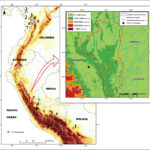
This frog carefully selects damp, moss-covered branches near pristine trickling streams, usually ranging from elevations of approximately 1,800 to 2,800 meters above sea level. Enveloped by thick mist, cloud forests create moisture-rich microhabitats, crucial for the hydration and respiratory needs of delicate amphibians. Here, sunlight filters weakly through the foliage, illuminating an emerald world softly muffled by moisture-laden air. Within this realm, the melodious chorus of frogs harmonizes nightly, each species contributing in intricate rhythm.
Habitat Preferences and Survival Strategy#
Nymphargus oreonympha is particularly sensitive to environmental fluctuations. Their preference for intact forests with dense canopy cover serves a dual purpose: protection from predators and maintenance of the vital humidity levels the frogs require to avoid desiccation. Stream proximity is equally non-negotiable, as the presence of pristine, slow-moving waters promises refuge and food sources critical to their lifecycle.
The frog’s selective nature in habitat choice not only facilitates its survival but also positions it as an indicator organism. Scientists understand that thriving populations of glass frogs typically signify healthy, balanced ecosystems—valuable information for conservation strategies.
Physical Characteristics#
The ethereal allure of Nymphargus oreonympha comes primarily from its distinctive translucent skin, particularly noticeable on its underside. Measuring only about 23 to 27 millimeters from snout to vent, each frog encapsulates a miniature world unto itself. The delicate limbs and stout yet graceful toes are adapted perfectly for climbing and maneuvering amongst moist vegetation.
Colors and Patterns#
Vivid green hues dominate the dorsal portions of the frog, intricately mottled with subtle yellow and cream accents. But turning it over reveals its mesmerizing edge: clear, transparent abdominal skin exposing tiny beating hearts, looping digestive systems, and energetic rhythmic lung expansions. This translucent underside serves a practical purpose beyond mystery and beauty; effective camouflage helps deter underwater or bottom-dwelling predators looking upward, rendering the glass frog nearly invisible against the leaf background when viewed from beneath.
Bright golden eyes punctuate its face, large relative to its size, capable of registering nuanced light changes and potential threats. Collectively, these adaptations furnish the Nymphargus oreonympha with elegant functionality, thriving invisibly within its microhabitat.
Behavior and Life Cycle#
Nocturnal Living in a Misty Kingdom#
Nymphargus oreonympha leads primarily a nocturnal lifestyle, offering protection from avian predators, while simultaneously ensuring optimal moisture retention. By day, these small amphibians remain mostly motionless, positioned beneath leaves or carefully camouflaged along moss-bedecked branches, juxtaposed perfectly against green backdrops. Nightfall prompts movement, feeding, and most notably, an exuberant chorus of mating vocalizations that orchestrates cloud forest nights.
Feeding Habits#
With remarkable dexterity and stealth, Nymphargus oreonympha hunts small insects, primarily flies, beetles, ants, and the occasional moth. Agile tongue propulsion allows rapid capture, enabling efficient energy intake amidst the dense, competitive environment.
Courtship and Breeding Rituals#
Male glass frogs fervently announce their presence through rhythmic, bell-like calls that punctuate the night-time silence. Females locate potential partners by decoding these vocal signatures, cunningly distinguishing quality mates through the complex nuances of call structure and intensity.
A particularly striking aspect of their behavior involves oviposition. Unlike typical amphibians, glass frog females deposit their transparent, gelatinous egg masses directly upon moist leaves hanging strategically above watercourses. Guardians of their offspring, males vigilantly tend eggs until hatching occurs; their protective watch significantly improves offspring survival rates. Upon embryonic development completion, the emerging tadpoles plunge gently into the waters below, continuing their developmental stage submerged, shielded by aquatic flora.
Ecological Role#
A small creature rich in influence, Nymphargus oreonympha fills several critical ecological niches. Predating insects controls invertebrate populations, while also serving as prey for snakes, birds, and mammalian predators. Its sensitivity to environmental disturbances places it squarely as an ecological sentinel species. Declining populations alert conservationists to unseen environmental threats or habitat degradation, showcasing its significance beyond immediate ecological roles.
Threats and Conservation Status#
Currently classified as “Vulnerable” by the International Union for Conservation of Nature (IUCN), Nymphargus oreonympha faces escalated risks tied directly to habitat destruction and climate-induced environmental changes. Logging practices, agricultural encroachments, and urban expansions fragment forest territory, isolating populations and jeopardizing genetic diversity critical for long-term survival.
Climate change exacerbates vulnerabilities, altering rainfall patterns and temperatures unpredictably, disrupting precise environmental conditions required by glass frogs for breeding and successful tadpole development. Additionally, amphibian pathogens such as chytrid fungus pose increasing threats, potentially devastating populations unaccustomed to such virulent diseases.
Conservation Efforts and Initiatives#
Efforts initiated by local organizations and international conservation bodies emphasize habitat protection, reforestation, and strategic environmental monitoring. Raising local and global awareness surrounding the sensitivity of cloud forest ecosystems fosters responsible land-use practices. Community collaboration in conducting regular ecosystem health evaluations ensures prompt measures to mitigate emerging threats, vital for preserving fragile frog populations and their unique habitats.
Cultural and Scientific Significance#
While not prominent within popular folklore, glass frogs contribute heavily to scientific understanding of ecology, evolutionary biology, and biodiversity monitoring. Their transparent skin provides invaluable insights into anatomy, physiology, and developmental biology, showcasing evolutionary adaptations driven strictly by survival.
Scientifically, glass frogs serve as bioindicators, their presence signaling stable, biodiverse environments worthy of preserving and replicating elsewhere. Conservationists value this species as both symbol and guide, informing management strategies for more comprehensive bio-protection.
Conclusion#
In capturing attention through sheer beauty and delicate existence, Nymphargus oreonympha eloquently demonstrates the elegance and vulnerability inherent within nature’s interconnected web. As stewards of the natural world, it becomes our collective responsibility to ensure that this tiny glass frog continues to enchant and elevate our understanding of ecosystem intricacies.
Embracing conservation commitments, supporting research, and raising awareness among global populations ensures the perpetuity of the remarkable glass frog’s mist-shrouded niche within the irreplaceable Andean forests. The survival of Nymphargus oreonympha echoes as deeply meaningful—not just as a pursuit to preserve individual species—but ultimately, as justified reverence toward the wonder bound inherently within the vibrant threads of life itself.