- Nymphargus megistus: Jewel of the Cloud Forest
- Introduction: A Glassy Wonder Amidst Misty Leaves
- Taxonomy and Classification
- Natural Habitat: Life Within Cloud-Crowned Peaks
- Physical Characteristics: Crystalline Beauty and Ingenious Adaptations
- Behavior and Life Cycle: Nesting in the Mists
- Ecological Role: A Vital Cog in Cloud Forest Webs
- Threats and Conservation Status: Fragility Amidst Change
- Cultural and Scientific Significance
- Conclusion: Celebrating the Fragile Elegance of <em>Nymphargus megistus</em>
Nymphargus megistus: Jewel of the Cloud Forest#
Introduction: A Glassy Wonder Amidst Misty Leaves#
In the shadowy realm of the Andean cloud forests—a mystical world draped in perpetual mist and vibrant moss—lives an enchanting little creature whose translucent body mirrors the delicate fragility of its habitat. Meet Nymphargus megistus, a mesmerizing glass frog species whose crystal-clear skin offers an extraordinary peek into its intricate inner workings. This frog isn’t merely charming to behold; it serves as an ecological sentinel, silently bearing witness to the health and resilience of its lush, yet vulnerable, montane forests.
With its fascinating ability to blend seamlessly into the leafy tapestry, Nymphargus megistus has caught the imagination of naturalists and conservationists alike. Known affectionately among herpetologists and amphibian lovers as one of the larger glass frogs, this charismatic species holds a wealth of secrets that continue to delight and amaze observers. Let’s embark together on an immersive journey into the mist-shrouded home of this splendid amphibian, and unravel the scientific marvels that shape its remarkable existence.
Taxonomy and Classification#
Nymphargus megistus belongs to the family Centrolenidae, commonly referred to as glass frogs, which boasts nearly 150 delicate, translucent species. Under the genus Nymphargus, these frogs are characterized by their unique combination of morphological traits, behavioral patterns, and habitats. Within its genus, Nymphargus megistus stands distinguished by its notably larger size, earning its specific epithet “megistus,” derived from Greek meaning “the greatest.”
The classification of Nymphargus megistus contributes significantly to the understanding of biodiversity in tropical montane ecosystems. By studying its evolutionary relationships, scientists glean vital insights into amphibian diversity, speciation, and biogeography in the complex Andean region, which is known for its rich yet vulnerable biodiversity.
Natural Habitat: Life Within Cloud-Crowned Peaks#
Geographic and Environmental Range#
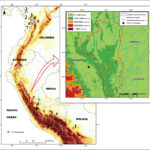
The Andean cloud forests are among Earth’s most biodiverse hotspots, supporting innumerable species unique to their lush slopes. It is within this mystical biome, primarily within South American countries like Colombia and Ecuador, that Nymphargus megistus makes its home. This species flourishes amidst the high-altitude humidity, dense fog, and gently trickling streams that nourish a verdant universe of moss-covered branches and broad-leafed plants.
Specific Habitat Preferences#
Unlike many frogs inhabiting the lower, more accessible strata of rainforests, Nymphargus megistus prefers dwelling in moist vegetation flanking clear streams and cascades at elevations typically ranging from 1,500 to nearly 2,500 meters. Employing their expert camouflage, they perch meticulously on broad leaves overhanging streams, blending effortlessly into the glistening foliage warmed by filtered sunlight.
The frog’s survival is intimately linked to clean running waters and high humidity levels. A slightest shift in these conditions—from human-driven deforestation or climate change—can ripple devastating effects through its delicate existence. Hence, Nymphargus megistus acts as a vital indicator species, alerting scientists to subtle yet significant changes within its ecosystem.
Physical Characteristics: Crystalline Beauty and Ingenious Adaptations#
Appearance and Size#
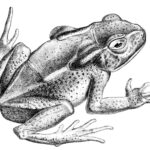
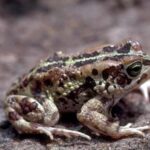
Perhaps no aspect of Nymphargus megistus delights naturalists quite as much as its spellbinding translucent skin. The frog sports shades of luminous green and yellow, with limbs flecked subtly in golden hues, reminiscent of sunlight shimmering across a dew-covered leaf. Adults measure between 30 to 40 millimeters from snout to vent—a size slightly larger than most of their glass-frog cousins.
Anatomical Adaptations and Survival Skills#
The species’ transparent abdominal skin is an evolutionary marvel. This fragile, glass-like appearance allows observers a direct view of the frog’s beating heart, digestive tract, and even the developing eggs in females. Far from mere spectacle, transparency works effectively as camouflage, scattering reflected light and blending seamlessly into their lush environment, thus evading predators with surprising precision.
Its webbed, sticky-footed toes grant expert agility amidst slippery foliage, enabling it to navigate smoothly and quietly between perches, while large, prominent golden eyes offer exceptional night-vision that aids stealthy nocturnal hunting.
Behavior and Life Cycle: Nesting in the Mists#
Diet and Predatory Habits#
Under cover of darkness, Nymphargus megistus emerges stealthily from its daytime shelter to forage. Possessing acute night-senses, it feeds primarily on small insects—flies, beetles, and moths—ambushed deftly from leafy perch sites. These efficient nocturnal hunters play an important role in curbing insect populations within their ecosystem, maintaining ecological balance.
Reproduction: A Gentle Guardian Over Clear Waters#
Courting nights are accompanied by gentle twittering calls echoing softly beneath the rainforest canopy—a subtle yet unmistakable signal amid the cacophony of nocturnal forest symphonies. Males gather near streams, emitting delicate vocalizations to attract gravid females. Upon pairing up, the female carefully deposits her gelatinous egg clutches beneath the leaf surfaces, suspended precariously above running waters, securing them from terrestrial predators.
Males undertake their dedicated nesting duties seriously: they guard and hydrate the developing embryos by periodic splashing. Upon hatching, tadpoles fall gracefully into the moving waters below, initiating their independent aquatic phase until metamorphosis into adult frogs occurs some weeks later. This nesting approach, while delicate, ensures relative safety from terrestrial predators and fungal infections commonplace in damp tropical habitats.
Ecological Role: A Vital Cog in Cloud Forest Webs#
As predator and prey, Nymphargus megistus occupies an essential niche within its mist-covered home. It manages insect populations, which might otherwise increase unchecked, adversely affecting vegetation. Simultaneously, this little amphibian provides sustenance for larger predators—birds, reptiles, and mammals alike—reinforcing complex ecological linkages that sustain thriving rainforest communities.
Through their sensitivity to habitat degradation, they also serve researchers as reliable bioindicators, revealing ecological stresses long before they become glaringly apparent in more resilient species, proving invaluable for early detection and proactive conservation planning.
Threats and Conservation Status: Fragility Amidst Change#
Challenges Facing Nymphargus megistus#
Like many amphibians inhabiting vulnerable ecosystems, Nymphargus megistus suffers from habitat loss due to logging, agriculture, and expansion of human settlements. These activities fragment or altogether destroy critical cloud forest habitats, severing essential population connectivity. Moreover, climate change progressively alters precipitation patterns, humidity, and temperature levels, threatening the carefully balanced conditions under which this species thrives.
Additionally, the spread of infectious diseases such as chytrid fungus (Batrachochytrium dendrobatidis) presents yet another potential hazard capable of swiftly undermining healthy frog populations.
Conservation Actions and Outlook#
While presently listed as a species requiring more detailed population monitoring, the species lacks extensive scientific research that could inform comprehensive conservation strategies. Scientists argue strongly for protections given the ecological sensitivity that glass frogs like Nymphargus megistus embody. Conserving intact cloud forests, creating reliable habitat corridors, and investing in captive breeding programs offer tangible lifelines.
Cultural and Scientific Significance#
The unique appearance and behaviors of glass frogs have significantly inspired scientists exploring biological phenomena like crypsis and transparency. Understanding their physiological adaptations may even offer innovative insights into medical imaging or transplantation. Culturally, Andean communities cherish the amphibians inhabiting their forests, seeing them as integral symbols of ecological wealth and health.
Conclusion: Celebrating the Fragile Elegance of Nymphargus megistus#
Nymphargus megistus gracefully embodies the splendor and complexity of the high-altitude cloud forests teeming with life. Safeguarding its future transcends the simple act of saving one species—it symbolizes protecting an entire ecosystem and preserving ecological harmony. By supporting ongoing research, habitat protection, and responsible ecotourism, we, as citizens of Earth, can play a part in the survival of this marvelous species. After all, the shimmering beauty of the glass frog reflects back to us the health of our shared planet—clear, fragile, and precious beyond measure.