- Introduction: A Living Jewel of the Cloud Forests
- Taxonomy and Classification
- Natural Habitat: Mist-Clad Mountains and Pristine Streams
- Physical Characteristics: Crystal-Clear Wonders of Evolution
- Behavior and Life Cycle: Harmony in Action
- Ecological Role: Indicators of Forest Health
- Threats and Conservation Status: Fragility in a Changing World
- Cultural and Scientific Significance: Beyond Biological Intrigue
- Conclusion: Protecting a Transparent Treasure
Introduction: A Living Jewel of the Cloud Forests#
Deep within the humid mountains of the Andean cloud forests, where mists veil ancient trees and streams infuse the landscape with gentle murmurs, lives a small amphibian more astonishing than its humble size may suggest. Nymphargus luminosus, known widely as a luminous glass frog, embodies nature’s artistry through translucent skin and a mermaid-green hue that seems plucked from a painter’s palette. As gravity-defying droplets drip from moss-laden branches and streams shimmer lightly under fleeting sunlight, this elusive creature lives in delicate harmony with its ethereal world, inspiring awe among scientists, nature enthusiasts, and conservationists alike.
A member of the remarkable family Centrolenidae, Nymphargus luminosus is uniquely adapted not only physically but ecologically, making it an invaluable indicator of environmental health in one of Earth’s richest biodiversity hotspots. Through its study, we unveil not merely the secrets of its individual species but gain deeper insights into the health and balance of fragile tropical ecosystems it calls home.
Taxonomy and Classification#
Understanding the uniqueness of Nymphargus luminosus begins with parsing its scientific identity. Classified under the domain Eukarya and kingdom Animalia, this fascinating frog belongs specifically to the class Amphibia, order Anura. Within Anura, glass frogs occupy a distinctive niche due to their remarkable transparency of skin—in this regard, Centrolenidae is truly a family apart.
Nymphargus is a relatively recent genus creation, encompassing around three dozen species of glass frogs. The species epithet “luminosus” itself originates from Latin referencing its remarkable, almost glowing appearance, especially when illuminated gently by moonlight or flashlights during nocturnal field observations.
Closely related species within the genus, such as Nymphargus grandisonae and Nymphargus griffithsi, share some characteristics, yet each maintains subtle and important ecological and behavioral nuances. It’s these distinctions that make studying these creatures such a rewarding scientific pursuit.
Natural Habitat: Mist-Clad Mountains and Pristine Streams#
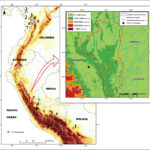
Nymphargus luminosus flourishes predominantly amidst cloud forests along the Andean slopes of Colombia and Ecuador. Here, elevations typically range between 1,500 and 2,500 meters above sea level. These moss-covered forests exist perpetually cloaked in gentle mists, shaped by the persistent condensation from rising warm air colliding with cooler mountain climates.
The frog’s habitat is intricately tied to clear-flowing mountain streams fringed with lush vegetation. These streams serve as both breeding grounds and hunting territories; their cool, highly oxygenated waters provide a perfect sanctuary for this amphibian’s eggs and later tadpole stages to thrive. Dominated by epiphytic bromeliads, ferns, and orchids, the vegetation surrounding the streams generates a microclimate characterized by stable humidity, moderate temperature fluctuations, and an abundance of prey suitable for sustaining delicate amphibian populations.
Adapting expertly to vertical living, this species is frequently spotted on leaves overhanging water. By maintaining proximity to these freshwater streams, glass frogs orchestrate the entirety of their life cycles within this idyllic yet fragile ecosystem.
Physical Characteristics: Crystal-Clear Wonders of Evolution#
Arguably among the most captivating amphibians, Nymphargus luminosus displays the hallmark of its kin: translucent, almost glass-like skin that reveals its internal organs arranged delicately beneath. Adults typically reach a modest length hovering around 20-30 millimeters, a size that fits comfortably on the tip of a human finger. Yet, what they lack in stature, they more than compensate with visual charm and adaptation brilliance.
The frogs’ dorsal aspect presents a vibrant, ethereal lime hue spotted occasionally by dazzling areas of tiny golden flecks. Ventral surfaces, transparent enough for observers to perceive the heart pulsating rhythmically, display stunning vascular patterns and organ systems that function harmoniously beneath this biological windowpane. Such transparency is not merely a fascinating evolutionary curiosity; it confers powerful crypsis (visual camouflage) against predators, blending seamlessly into the verdant leaves that shelter these tiny amphibians.
Additional morphology adapted specifically for arboreal life can be observed in their partially webbed toes, equipped with adhesive pads facilitating immaculate balance atop swaying vegetation and slick surfaces.
Behavior and Life Cycle: Harmony in Action#
Feeding Habits and Hunting Strategies#
Nymphargus luminosus is largely nocturnal, emerging after dusk to engage in a stealthy hunt. Utilizing their large, forward-facing eyes adapted superbly to low-light conditions, they detect prey such as small insects—including midges, flies, and beetles—that rest or fly near their leafy perches. Their accuracy and speed during strikes are impressive displays of finely tuned amphibian predation.
Mating, Reproduction, and Parental Care#
During wet seasons, the mountain streams become vibrant arenas for nuptial choruses, where male glass frogs call diligently from strategic perches to attract mates. Calls emitted by Nymphargus luminosus males are subtle yet consistent squeaks performed carefully from leaves above rushing water, creating an enchanting nocturnal symphony.
Once a female selects her partner, egg-laying occurs precisely on leaves directly over gently flowing waters. The gelatinous egg clusters, numbering often around two dozen or more, hang in gravity-defiant clusters, slowly maturing and becoming more transparent as embryos develop. Remarkably, males often exhibit strong paternal instincts, carefully guarding egg masses by night to discourage predators and parasites or prevent dehydration by periodically moistening the clutch.
Upon hatching, tadpoles gracefully plummet into streams below where they continue their developmental journey, transforming eventually into the delicate adult frogs prepared for arboreal adventures.
Ecological Role: Indicators of Forest Health#
While seemingly small and delicate, Nymphargus luminosus plays a pivotal ecological role. As predators, their constant insect consumption serves to balance insect populations. Simultaneously, their predation-sensitive tadpole phase offers sustenance to myriad freshwater macroinvertebrates and fishes, fortifying the food web’s foundation within mountain streams.
The sensitive nature of glass frogs, their dependence on high humidity, clean water, and stable forest ecosystems makes them crucial bioindicators. Scientists closely monitor their health and abundance, as declining populations often signal broader ecosystem distress, pointing to larger environmental problems such as climate shifts and pollution.
Threats and Conservation Status: Fragility in a Changing World#
Despite its unique charm and adaptation, Nymphargus luminosus faces severe threats. Habitat destruction due to agricultural expansion, logging, and mining operations steadily encroaches upon pristine breeding and feeding habitats. Climate change accelerates cloud forest desiccation, altering humidity regimes essential for amphibian survival. Furthermore, amphibian fungal diseases such as chytrid pose significant risks across regions inhabited by glass frogs.
Currently, the International Union for Conservation of Nature (IUCN) lists this species as “Data Deficient,” reflecting the urgent need for robust ecological data to correctly assess population health and dynamics, and implement targeted conservation actions. Various local conservation initiatives actively work towards habitat protection, sustainable land management, and public education outreach, striving to protect not only Nymphargus luminosus but the broader biodiversity of its habitat.
Cultural and Scientific Significance: Beyond Biological Intrigue#
Glass frogs like Nymphargus luminosus have captured the cultural imagination locally and globally, symbolizing the purity and fragility of cloud forest ecosystems. Scientifically, ongoing studies examining their unique transparent anatomy have potential medical applications, including insights into blood flow, tissue repair mechanisms, and cardiovascular health.
Conclusion: Protecting a Transparent Treasure#
Each discovery we make about the luminous glass frog reminds us of the delicate intricacy connecting life on Earth. The fate of Nymphargus luminosus rests firmly in humanity’s hands, dependent upon our choices in conservation practices and ecosystem stewardship.
We invite everyone passionate about wildlife, from dedicated rainforest adventurers to urban nature enthusiasts, to raise awareness, support targeted conservation programs, and advocate policies safeguarding the captivating ecosystems glass frogs call home. Let us collectively protect this translucent guardian of our planet’s cloud forests, ensuring future generations, too, marvel at its living wonders.