Nymphargus laurae: Jewel of the Cloud Forests#
Hidden amidst the mist-draped slopes and lush vegetation of South America’s cloud forests is a living jewel of nature, the glass frog Nymphargus laurae. With translucent skin that shimmers under moonlit foliage and eyes that capture starlight, this diminutive amphibian invites wonder and curiosity. Known scientifically as Nymphargus laurae, this frog belongs to a fascinating group whose transparent bodies reveal the hidden workings of their internal organs—a vision of nature that captivates researchers, conservationists, and nature lovers alike.
Though elusive and petite, Nymphargus laurae holds remarkable ecological value as both predator and prey, reflecting the health and vitality of its fragile mountain habitat. Beyond its splendor, this amphibian makes itself known through soft nocturnal choruses in remote montane streams, a quiet symphony signaling a healthy ecosystem. Come journey with me into the verdant cloud forests to unravel the intricate and captivating story of Nymphargus laurae, the enigmatic glass frog whose fate and ours are deeply intertwined.
Taxonomy and Classification#
Nymphargus laurae belongs to a unique and visually striking genus within the family Centrolenidae—commonly known as glass frogs. This captivating family, native exclusively to the humid forests of Central and South America, is renowned globally for their translucent undersides, allowing glimpses of their heart, liver, and intestines pulsating beneath clear skin.
Placed within the family Centrolenidae and the genus Nymphargus, Nymphargus laurae was first scientifically described in the late 20th century, distinguished by characteristics such as specific calls, limb structure, and coloration nuances. Closely related to fellow glass frog species like Nymphargus grandisonae and Nymphargus griffithsi, it remains distinctive enough in morphology and habitat preference to warrant individual attention and thoughtful study. Understanding relationships and differences within sister species provides researchers insights into evolutionary adaptations, offering clues to how these marvelous amphibians diversified across their habitats.
Natural Habitat#
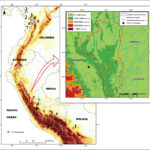
Perched high within Colombia’s steep Andean slopes, Nymphargus laurae thrives in cloud forests cloaked in perpetual mist. Within altitudes typically ranging 1,500 to 2,500 meters, this delicate frog inhabits vegetation along pristine rocky streams and cascading waterfalls—the vital pulse of mountainous aquatic life. Encircled by richly verdant mosses, bromeliads, and orchids draped in moisture, the habitat offers humid, cooling microclimates and protection against desiccation, essential for amphibian survival.
Life in such unique ecosystems demands specialized behaviors and adaptations. Thick canopy foliage shelters Nymphargus laurae, filtering sunlight and maintaining cooler, humid conditions year-round. With relatively constant temperatures and steady moisture, these areas supply ideal conditions for eggs and developing tadpoles. The crystal-clear mountainous waters, heavy with dissolved oxygen and low pollutants, ensure that the frogs and their offspring have ample resources to flourish and sustain generations of vibrant, healthy individuals.
Physical Characteristics#
The quintessential hallmark of the glass frog, Nymphargus laurae‘s transparent belly, presents an extraordinary natural spectacle. Its underparts are clear, revealing organs through delicate, tempered glass-like skin—tiny hearts beating rhythmically beside veins and arteries, lending a surreal beauty to its fragile appearance.
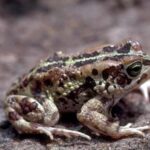
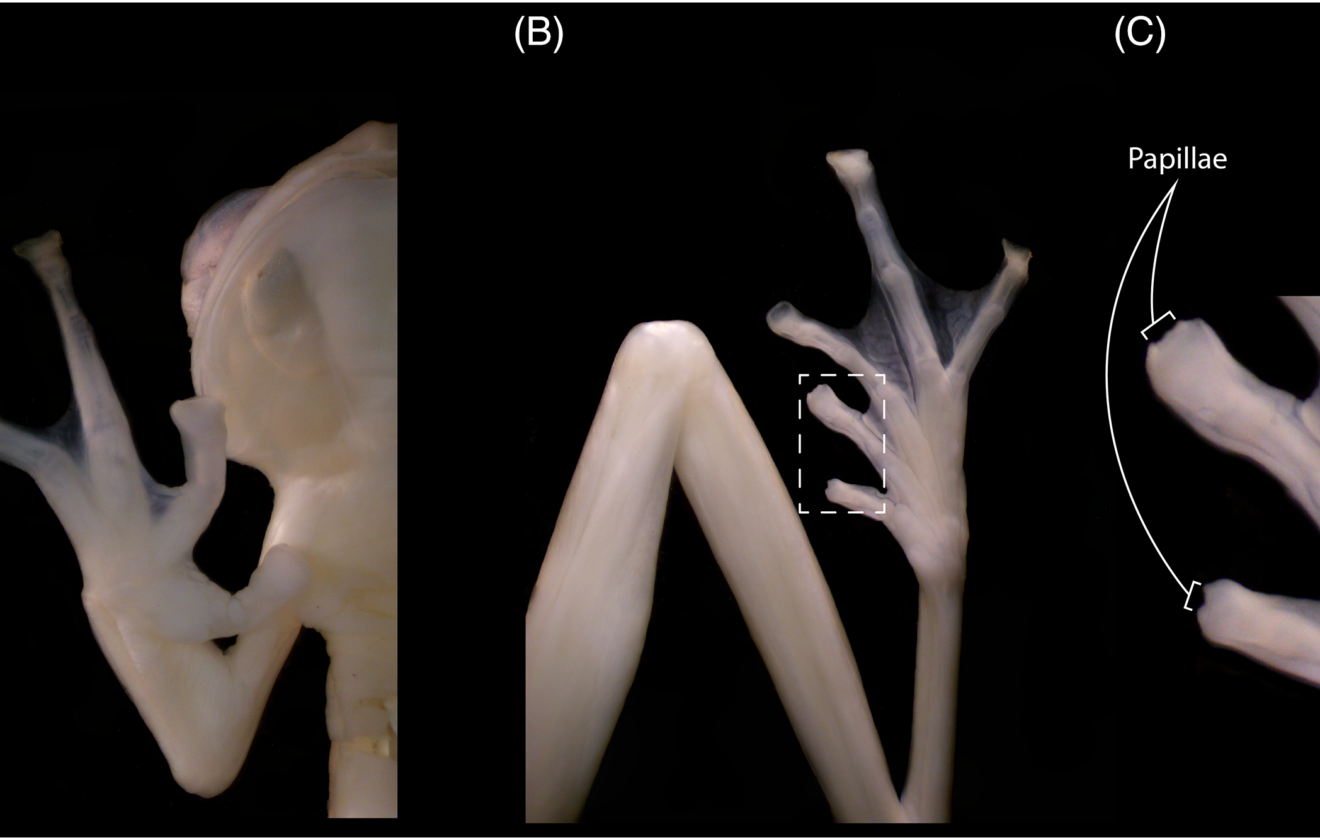
Measuring roughly two to three centimeters in length, this species easily fits upon a human fingertip. Its dorsal skin displays a vibrant lime green or pale green hue, delicately speckled with subtle dots or iridescent flecks that mimic speckles of dew illuminated by dawn’s faint rays. They possess large forward-facing eyes, sparkling golden or coppery irises that seem intensely watchful yet gently serene. Their long limbs end in adhesive pads finely adapted for gripping smooth foliage or slick rocks next to rushing streams, enabling them to navigate and securely position themselves in even the most precariously moist environments.
This unique coloration and transparency serve as practical adaptations, a remarkable evolutionary design tailored explicitly for life in such an ecosystem. While transparent ventral skin aids camouflage, minimizing shadows and preventing predators from easily detecting them from below, the green dorsal coloration seamlessly blends into moss-covered leaves above. By cleverly navigating between shadow and transparency, Nymphargus laurae adeptly evades predators and ambushes prey within its tangled jungle home.
Behavior and Life Cycle#
Nocturnal Activities and Feeding Habits#
Primarily nocturnal, Nymphargus laurae awakens when mists wrap the mountain slopes under darkness. Under cover of night, they carefully patrol leafy territories adjacent to streams, consuming prey such as small arthropods, beetles, flies, and moths attracted to damp foliage. Their adept vision and stealthy ambush tactics allow pinpoint strikes at unsuspecting prey dwelling nearby.
Mating and Parental Care#
Come breeding season, males assume strategic positions along streamsides and vegetation, advertising their presence through soft, high-pitched musical calls. Females respond selectively, choosing mates based on call frequency, duration, and perch quality—a reflection of vigor and territory security. After delicate, ritualized courtship, the female deposits translucent egg masses on broad leaves or vegetation close to water. The male assumes vigilant guard over these gelatinous clusters, performing parental watch and carefully moistening the eggs during dry periods to prevent dehydration and predation.
After a developmental period, tadpoles carefully hatch and make their dramatic descent into streams below—another remarkable adaptation. This behavior reduces aquatic predators’ threats and lands the developing tissues into optimal oxygen-rich habitats provided by rushing mountain waters. Their tadpoles inhabit underwater crevices or pools, feeding on algae and detritus until metamorphosis transforms them into miniature replicas of their parents, ready to carry forth this enchanting life cycle once more.
Ecological Role#
Nymphargus laurae occupies an essential niche within cloud forest ecosystems, serving as both predator and prey. Through diet, they help regulate insect populations, managing insect pest numbers naturally and promoting balance in plant health and diversity. Predation roles of insects help maintain natural forest patterns and overall ecological harmony.
As prey, they form fundamental links within intricate food webs. Birds, small mammals, snakes, and even large invertebrates feed upon them, integrating their populations into broader trophic dynamics, cycling nutrients, and maintaining biodiversity within a vibrant forest community. Due to their sensitivity to environmental changes, glass frogs function effectively as bioindicators—a litmus test for assessing ecosystem health and ecological stability. Their presence confirms pristine habitat conditions, highlighting the importance of targeted conservation strategies.
Threats and Conservation Status#
Despite their crucial ecological roles and mesmerizing appearance, populations of Nymphargus laurae face persistent threats affecting survival and recovery. Habitat loss posed by deforestation activities, agricultural expansion, and infrastructure development aggressively shrink suitable forest habitats and disrupt delicate ecological balances they depend on. Climate change exacerbates threats further, shifting rainfall patterns, extending drought spells, or altering thermal gradients critical for their breeding lifestyle.
Due to these mounting threats, Nymphargus laurae is currently classified as Vulnerable by the IUCN Red List, alerting conservation communities globally of imperative action needed to conserve their habitat, improve environmental practices, and safeguard these enigmatic amphibians for future generations.
Cultural and Scientific Significance#
While relatively unknown culturally among broader societies, Nymphargus laurae, like other glass frogs, holds tremendous scientific intrigue and importance. Researchers continually seek amphibians as indicators of environmental health, disease epidemiology, and climate change impacts, uncovering answers critical to broader animal and human ecological understandings.
Their physiological uniqueness—the transparent skin and local adaptations—opens fascinating areas of zoological studies in physiology, anatomy, and evolutionary biology. Drawing attention to conserving their highlighting habitats boosts further cultural recognition and appreciation, perhaps leading local communities toward stronger advocacy and stewardship efforts.
Conclusion: Protecting the Glass Guardians#
Through captivating transparency and sensitive lifestyles, Nymphargus laurae continues silently to remind us of nature’s complexity and vulnerability. Their fate resonates deeply with our own, reflecting broader ecological challenges and the urgent need for mindful conservation and habitat protection. Engage with conservation organizations, support habitat preservation, or inspire awareness campaigns—these actions can protect not just this captivating frog, but entire ecosystems housing countless delicate wonders. Together, let’s ensure that forests continue their subtle whisperings, night after night, of the mysterious Nymphargus laurae, guardian and jewel of cloud forests.