- Introduction: Meet Nymphargus prasinus, a Transparent Jewel of the Andes
- Taxonomy and Classification: Unveiling Its Scientific Identity
- Natural Habitat: The Mystical Realm of the Cloud Forest
- Physical Characteristics: Nature's Living Crystal
- Behavior and Life Cycle: The Intricate Lives of Glass Frogs
- Ecological Role: Guardians and Indicators of Environmental Balance
- Threats and Conservation Status: Protecting a Fragile Beauty
- Cultural and Scientific Significance: Beyond Ecology into the Realm of Wonder
- Conclusion: Preserving Nature’s Fragile Artwork
Introduction: Meet Nymphargus prasinus, a Transparent Jewel of the Andes#
Nestled quietly within the mist-shrouded canopies of the Andean mountains lives a creature that seems lifted straight from the pages of folklore—the captivating Nymphargus prasinus. Known commonly as the glass frog, this diminutive amphibian possesses a charm primarily attributed to its delicate translucent skin, offering a unique glimpse into its internal world. With vivid green hues that mirror their lush surroundings and a fascinatingly intricate biology, Nymphargus prasinus occupies a special niche in both biology and the imagination of nature enthusiasts.
Scientifically classified within the family Centrolenidae, these amphibians are not simply remarkable in appearance but importantly serve as indicators of environmental health, embodying the pristine yet delicate balance of their mountain habitats. As you journey through this article, you will explore deeply into the life and conservation story of this remarkable glass frog, an amphibian that brings both wonder and a crucial ecological message.
Taxonomy and Classification: Unveiling Its Scientific Identity#
First described scientifically in 1871 by renowned herpetologist Edward Drinker Cope, Nymphargus prasinus belongs firmly in the Centrolenidae family, a diverse group of frogs referred to commonly as glass frogs due to their notably translucent skin. The genus Nymphargus, to which they belong, was eventually separated from Cochranella in recognition of unique genetic and morphological features.
This fascinating group includes other closely related glass frogs, each species adapted uniquely to their specific microhabitat. Yet, Nymphargus prasinus remains among the best-known representatives, beloved by researchers and wildlife enthusiasts alike for its captivating anatomy and ecological importance.
Natural Habitat: The Mystical Realm of the Cloud Forest#
Geographical Range and Preferred Habitats#
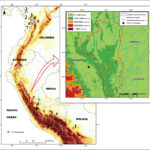
Nymphargus prasinus thrives primarily in the subtropical and tropical cloud forests along the eastern slopes of the Andes Mountains, ranging from Venezuela to Bolivia. Most notably, this elusive glass frog has been documented extensively across countries such as Colombia, Ecuador, and Peru. Within these rich ecosystems, it prefers habitats situated between approximately 1,000 to 2,500 meters above sea level, regions perpetually cloaked in ethereal mists and sustained by a relatively constant, high humidity.
An Arboreal Life in the Canopy#
The canopy is the primary domain of Nymphargus prasinus. Unlike many amphibians that prefer terrestrial or aquatic microhabitats, glass frogs spend most of their lives perched delicately upon leaves overhanging pristine mountain streams. The constant presence of water below is critical, for it provides essential humidity as well as breeding and nursery pools for their tadpoles.
As you wander visually through their habitat, envision tree branches dripping with moisture, draped with vibrant mosses and orchids—this is the dwelling place of Nymphargus prasinus. Their selection of such a niche habitat presents not only critical insight into the species’ needs but also underscores the necessity of conserving intact cloud forests, as these unique environments are especially vulnerable to climate change and deforestation.
Physical Characteristics: Nature’s Living Crystal#
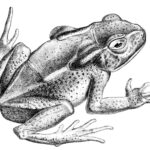
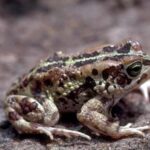
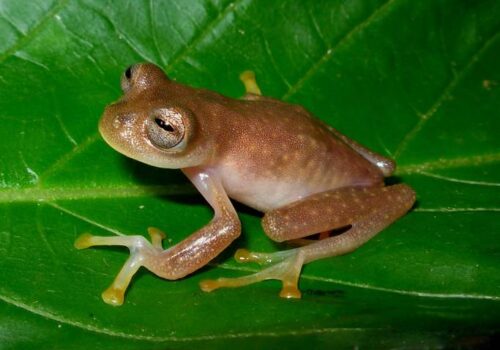
Few animals match the incredible visual spectacle of the glass frog. Nymphargus prasinus typically measures between 20 mm to 27 mm long, placing it firmly in the category of small-sized amphibians. Its delicate, translucent skin allows observers a mesmerizing glimpse into internal structures—heart beating, digestive systems working; all clearly revealed beneath their epidermal surface. This remarkable transparency is an evolutionary adaptation believed to aid significantly in predator avoidance, providing effective camouflage by reducing visible outlines and shadows against foliage.
The dorsal (upper) surface reveals vibrant shades of medium to bright green flecked occasionally with whitish or yellowish spots, perfectly matching the dappled vegetation of its environment. However, their undersides—often visually remarkable—comprise transparent skin through which organs like the liver, digestive tract, and even the beating heart may be seen clearly, an anatomical miracle that never fails to enchant anyone fortunate enough to observe closely.
Behavior and Life Cycle: The Intricate Lives of Glass Frogs#
Nighttime Feasters and Ambush Hunters#
Primarily nocturnal, Nymphargus prasinus emerges after dusk to hunt for small prey. Their diet consists mainly of miniature insects, including flies, mosquitoes, moths, ants, and other soft-bodied insects found readily in their canopy home. Employing a cunning ambush strategy, they remain motionless for long periods, blending seamlessly with leaves until prey unsuspectingly crosses their path. A swift and precise tongue strike demonstrates remarkable feeding efficiency, a behavior as fascinating as it is effective.
A Complex Courtship Display#
During the rainy breeding season, males descend from their hidden perches to call fervently from streamside vegetation, a melodious chorus echoing gently through the rainforest. Individual males stake out promising sites near suitable branches overhanging clear-running streams, places where females will later attach eggs after mating. The vocal calls are gentle, resonant whistles serving as both romantic solicitations and territorial warnings to rival males.
Tadpoles: Guardians of Crystal Nurseries#
Once a female mates, she lays a gelatinous cluster of clear eggs—usually numbering between 20 to 40—attached firmly to the underside of leaves suspended over serene waterways. This precarious nursery site offers protection, keeping eggs safe from submerged aquatic predators. Remarkably, unlike many frog species that abandon their eggs immediately, glass frogs may display limited parental care, with males often returning at night periodically to guard eggs from predation or to hydrate them gently with droplets of moisture from their own skin.
Upon maturing within their transparent orbs, tadpoles hatch and drop into waiting streams beneath, instantly beginning survival instincts that will guide them through the vulnerable stages before metamorphosis magically transforms them into miniature replicas of their adult parents.
Ecological Role: Guardians and Indicators of Environmental Balance#
Nymphargus prasinus occupies a crucial ecological niche, providing an important balance both as predator and prey. In controlling insect populations, they play an indirect yet substantial role in regulating the stability of cloud forest ecosystems. Simultaneously, they sustain predators such as larger amphibians, birds, and reptiles, providing a fundamental link within their complex food web.
Importantly, glass frogs also act as powerful indicators of environmental health. Their unique physiology, highly permeable skin, and dependence on pristine waterways make them particularly sensitive to pollutants, habitat destruction, and climate fluctuations. Thus, any decline in their numbers serves as an ominous early-warning system alerting humans to broader environmental troubles that urgently demand intervention.
Threats and Conservation Status: Protecting a Fragile Beauty#
While currently listed by the IUCN as of “Least Concern” due primarily to their relatively widespread distribution, Nymphargus prasinus nonetheless faces increasing pressures. Habitat destruction stands as a significant threat, as expanding agriculture, deforestation for timber harvesting, and mining operations intrude into cloud forests’ sanctity.
Moreover, climate change poses an insidious threat, potentially altering rainfall patterns, humidity, and temperature in these critical ecosystems, threatening to shift delicate habitat balances they rely on profoundly. Infectious diseases like chytridiomycosis—caused by chytrid fungus—represent another direct threat to global amphibian populations, necessitating constant vigilant monitoring by conservationists.
Numerous conservation programs and local community initiatives are striving to protect vital forests, and international awareness is steadily increasing; however, more research and practical conservation action remain critically important to ensure the long-term safety of this delicate, remarkable species.
Cultural and Scientific Significance: Beyond Ecology into the Realm of Wonder#
The glass frog, including Nymphargus prasinus, has become increasingly prominent within scientific research, providing insights into evolutionary biology, physiology, and environmental assessment methodologies. These animals symbolize environmental purity and resilience, making them popular within scientific communication and education.
Conclusion: Preserving Nature’s Fragile Artwork#
With translucent beauty, ecological sensitivity, and undeniable charisma, Nymphargus prasinus deserves both attention and deep respect. By safeguarding this species, humanity not only preserves biological diversity but also protects a profoundly interconnected ecosystem upon which countless lives and livelihoods depend. Engaging in conservation, actively supporting habitat protection, and continuing exploration hopefully assures that generations ahead may marvel as we do at Earth’s most exquisite natural treasures.