- Poyntonophrynus beiranus: Discovering the Hidden Wonders of Mozambique's Unique Toad
Poyntonophrynus beiranus: Discovering the Hidden Wonders of Mozambique’s Unique Toad#
Amid the lush and diverse landscapes of southeast Africa, tiny yet fascinating amphibians make their quiet home, often unnoticed under the leaf litter and subtle camouflage of their habitats. Among them is a species whose humble demeanor belies its important ecological role and striking adaptability—the Poyntonophrynus beiranus. Also known as the Beira pygmy toad, this diminutive creature captivates both researchers and naturalists alike with its distinctive characteristics and behaviors. Although not widely known outside amphibian enthusiast circles, this little-known toad offers an intriguing glimpse into the delicate ecological balance of its native Mozambique.
At first glance, the Beira pygmy toad might not draw immediate attention. Small, elusive, and well-camouflaged, its presence often goes undetected even by experienced field biologists. Yet, beneath its obscure charm lies a fascinating tale of survival, resilience, and adaptation. From its complex life cycle, noteworthy behavior patterns, and critical ecosystem contributions, Poyntonophrynus beiranus exemplifies the vital interconnectedness between wildlife and its environment.
Taxonomy and Classification#
The Beira pygmy toad, scientifically recognized as Poyntonophrynus beiranus, falls within the expansive amphibian classification of the family Bufonidae—a group comprising the commonly known true toads. Its genus, Poyntonophrynus, honors John Poynton, a revered herpetologist who has notably influenced herpetological studies in Africa. Within this genus, distinct morphological and ecological traits separate this unassuming species from its closely related relatives, offering a unique evolutionary perspective within the amphibian lineage.
Initially described as Bufo beiranus, modern genetic studies and nuanced assessments of skeletal characteristics, vocalization, and reproductive traits led herpetologists to reclassify it as Poyntonophrynus in recent taxonomic revisions. This revision provides clearer insight into the widespread diversity among Africa’s lesser-known amphibians while highlighting the importance of dedicated taxonomy work in conserving vulnerable species.
Natural Habitat#
Poyntonophrynus beiranus thrives primarily within limited, specialized habitats along Mozambique’s coastal and inland regions. Characterized by a patchwork of dry savannah mosaic and tropical woodland habitats, this amphibian’s native terrain offers the precise microhabitat conditions required for its survival. Often found concealed beneath leaf litter, dense vegetation, and among rocks and tree roots, this tiny toad capitalizes on its naturally cryptic behavior to evade predators and navigate its environment.
Geographic Range#
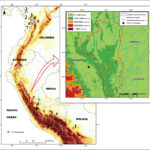
The Beira pygmy toad primarily inhabits Mozambique, with notable populations documented along the eastern coastal lowlands near the city of Beira—giving this amphibian its common name. Sightings have also been recorded sporadically further inland, highlighting its adaptability to varied microhabitats and highlighting gaps in current distributional knowledge. This region characterized by alternating wet and dry cycles, punctuated by seasonal rains, shapes the life cycles and behaviors of resident amphibians, including our tiny protagonist.
Habitat Specifics#
Preferring subtropical climates, this toad mostly resides in relatively dry woodland areas punctuated by seasonal freshwater pools, which are essential for successful breeding. These ephemeral aquatic habitats facilitate reproductive cycles, providing suitable conditions for egg deposition and tadpole development during Mozambique’s seasonal rains. Leaf litter serves an essential function, offering refuge from predators, moisture retention during drier months, and abundant prey species such as insects and invertebrates.
Physical Characteristics of the Poyntonophrynus beiranus#
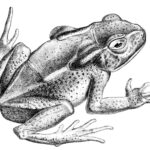
The Beira pygmy toad is considerably smaller and more delicate than many people envision a “true toad” to be, measuring an average maximum length of between 25 and 35 millimeters—fitting neatly onto a single fingertip. Its diminutive stature greatly aids in its secretive habits, rendering it nearly invisible among the forest floor’s clutter of fallen leaves and tiny twigs.
Its skin coloration, a blend of earthy tones from light browns to dusty greys, provides remarkable camouflage capability. Irregular blotches along its back and sides perfectly mimic leaf shadows and ground debris—even seasoned amphibian enthusiasts might easily overlook this master of stealth unless specifically searching. Its rugged, granular skin texture further enhances this illusion, lending an uncanny resemblance to its organic surroundings.
Additionally, the species features distinctively rounded parotoid glands located behind each eye; these are defensive glands secreting mild toxins to discourage predation. Though harmless to humans, these glands offer vital protection against the various predators that share its habitat. Furthermore, sturdy yet delicate limbs equip this tiny toad with exceptional agility, capable of both precise hopping movements and careful climbing over natural obstructions.
Behavior and Life Cycle#
The secretive nature of Poyntonophrynus beiranus extends deeply into its behavior patterns and reproductive habits. Primarily nocturnal and crepuscular, their activity peaks at dusk and during cooler night hours, as daytime temperatures rise significantly in southern Africa’s lowlands. Under twilight conditions, these toads venture out to forage, cautiously consuming an array of tiny insects—such as ants, termites, beetles, and small arachnids—that abound in their habitats.
Feeding and Foraging Strategies#
Insectivorous by nature, their feeding approach demonstrates patience and opportunism rather than aggressive pursuit. Remaining motionless for prolonged intervals, the Beira pygmy toad relies on stealth and camouflage to hunt unsuspecting prey. Upon detecting suitable quarry, it employs rapid tongue movements to capture its meal swiftly and effectively—an elegance of predatory efficiency perfectly suited for the intricate ecosystem it inhabits.
Breeding and Reproductive Habits#
Each year, the onset of Mozambique’s rainy season triggers the reproductive instincts of P. beiranus. Males congregate around temporary pools, producing repetitive, muted mating calls designed to resonate clearly over short distances, due to their small size and restricted vocal sac capacity. Once attracted to these subtle yet persuasive calls, females select mates, and pairs engage in amplexus—a form of reproductive embrace common among frogs and toads.
Females proceed to lay clusters of eggs, typically adhered to submerged vegetation or leaves within these short-term aquatic environments. Upon hatching, tadpoles swiftly develop, capitalizing on abundant algae and microorganisms flourishing during the rainy season. Limited available water dictates rapid developmental timelines—transitioning from egg to adult in mere weeks—to avoid becoming stranded later in drier conditions.
Ecological Role#
Despite their modest size, the ecological contributions of Poyntonophrynus beiranus cannot be overstated. Predatory activities serve to regulate insect populations significantly, naturally maintaining ecological balance. Concurrently, these little toads constitute prey themselves, forming critical links within complex food webs—supporting higher trophic levels such as birds, snakes, and larger amphibians.
Moreover, amphibians such as the Beira pygmy toad act as invaluable environmental indicators. Their sensitivity to habitat quality, climatic variation, and ecosystem disturbances provide clear signals regarding ecological health, alerting conservation scientists to possible environmental stressors before larger-scale impacts become irreversible.
Threats and Conservation Status#
Presently, Poyntonophrynus beiranus is classified as Least Concern by the International Union for Conservation of Nature (IUCN). However, this classification reflects primarily gaps in updated, systematic targetted research rather than confirmed sustaining population trends. Like many amphibians globally, habitat fragmentation, human encroachment, agricultural expansions, and pesticides represent constant, looming threats capable of destabilizing delicate populations quickly.
With further environmental uncertainties attributed to climate change—including prolonged drought conditions and erratic rainfall patterns—the habitat resilience of this species faces significant future challenges. Increased monitoring, ecological research, and habitat conservation programs represent crucial requirements to ensure continued stability.
Cultural and Scientific Significance#
Though not widely cultural icons or revered symbols, species such as Poyntonophrynus beiranus embody Mozambican biodiversity and intrinsic ecosystem value that holds universal ecological relevance. Scientifically, smaller amphibian species serve crucial roles within conservation studies, offering indicators of ecosystem health, climate resilience, and habitat integrity.
Conclusion: Preserving the Small Wonders of Mozambique#
Though small and seemingly inconspicuous, the Beira pygmy toad exerts a powerful ecological presence within its habitat. Its survival story, intricate life cycles, nuanced behaviors, and contributions reveal an unmistakable message about the fragility and interconnectivity inherent within our natural world. We must continue to champion research, conservation, and awareness efforts, safeguarding these potentially overlooked yet vitally important species such as Poyntonophrynus beiranus. After all, the wonder of nature often lies precisely in its smallest details.