Discovering Rhinella alata: The Intriguing World of a Remarkable Frog Species#
In the leafy shade of Central and South America’s tropical forests, hidden beneath a tapestry of palms and tangled roots, lives a creature often unnoticed even by ardent nature enthusiasts—Rhinella alata, a toad species whose unassuming appearance belies its fascinating life story. Commonly known as the Winged Toad, this remarkable amphibian holds secrets woven intricately into its biology and behavior, illuminating broader environmental truths that affect the luscious ecosystems it inhabits.
Though lacking literal wings, its evocative name, alata, Latin for ‘winged,’ perhaps gracefully refers to the distinctive glands and protrusions that characterize its physical form, or metaphorically indicates its importance as an ecological indicator soaring high in scientific significance. Regardless, Rhinella alata intrigues not only scientists but anyone captivated by the uncharted mysteries of tropical biodiversity.
Taxonomy and Classification#
Before we venture deeper into the rainforest floor’s mysteries to meet Rhinella alata face-to-face, it’s essential to appreciate the biological lineage that defines our protagonist. Classified within the Bufonidae family, widely recognized as “true toads,” Rhinella alata occupies a corner of a diverse tree of amphibian life.
The family Bufonidae includes several hundred toad species worldwide, noted for their sturdy bodies, short limbs, and wart-bearing skin, characteristics that assist significantly in their terrestrial lifestyle. Within this family, the genus Rhinella encompasses neotropical toads primarily found throughout Central and South America, a group remarkable for their adaptation and evolutionary radiation across diverse habitats.
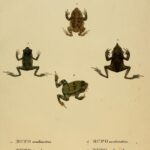
Rhinella alata was first described scientifically in 1858 (Thominot, 1858), its Latin name recognizing its subtle morphological distinctiveness. Close relatives include familiar faces such as Rhinella marina—the infamous Cane Toad—and Rhinella margaritifera, known for their extensive ranges and unique defensive capabilities. However, despite familial similarities, each species, including our Winged Toad, plays a distinct role in its unique habitat, becoming evolutionary sculpted by its ecological niche.
Natural Habitat#
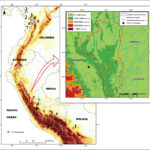
Encountering Rhinella alata demands a visit to some of nature’s most vibrant biodiversity hotspots. Primarily distributed across lowland and mid-altitude rainforests spanning regions from Panama to Colombia and Ecuador, this species thrives within mature tropical forests’ moist and shadow-dappled understory.
An Intimate Connection with the Forest Floor#
The Winged Toad does not merely live amid the rainforest—it breathes, feeds, shelters, and reproduces in a continuous, delicately balanced interaction with its environment. Beneath the dense foliage canopy, these toads wander slowly, carefully traversing a complex mosaic of leaf litter, damp logs, mossy tree trunks, and shallow rainforest streams. Such microhabitats provide essential moisture to maintain their delicate skin, a necessity due to the permeable nature of amphibian integuments, which absorb moisture directly from the humid air and surface water.
While some amphibians prefer staying close to permanent water bodies, Rhinella alata is largely terrestrial, securing its survival by inhabiting humid forest patches often distant from larger rivers and streams. Seasonal rain pools, small forest streams, or ephemeral water deposits from frequent showers fill crucial niches for breeding and larval development. This adaptability to distinct forest microhabitats allows them to thrive despite local variations or seasonal changes, reflecting an evolutionary wisdom honed over millions of years.
Physical Characteristics#
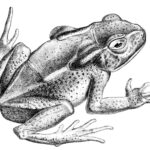
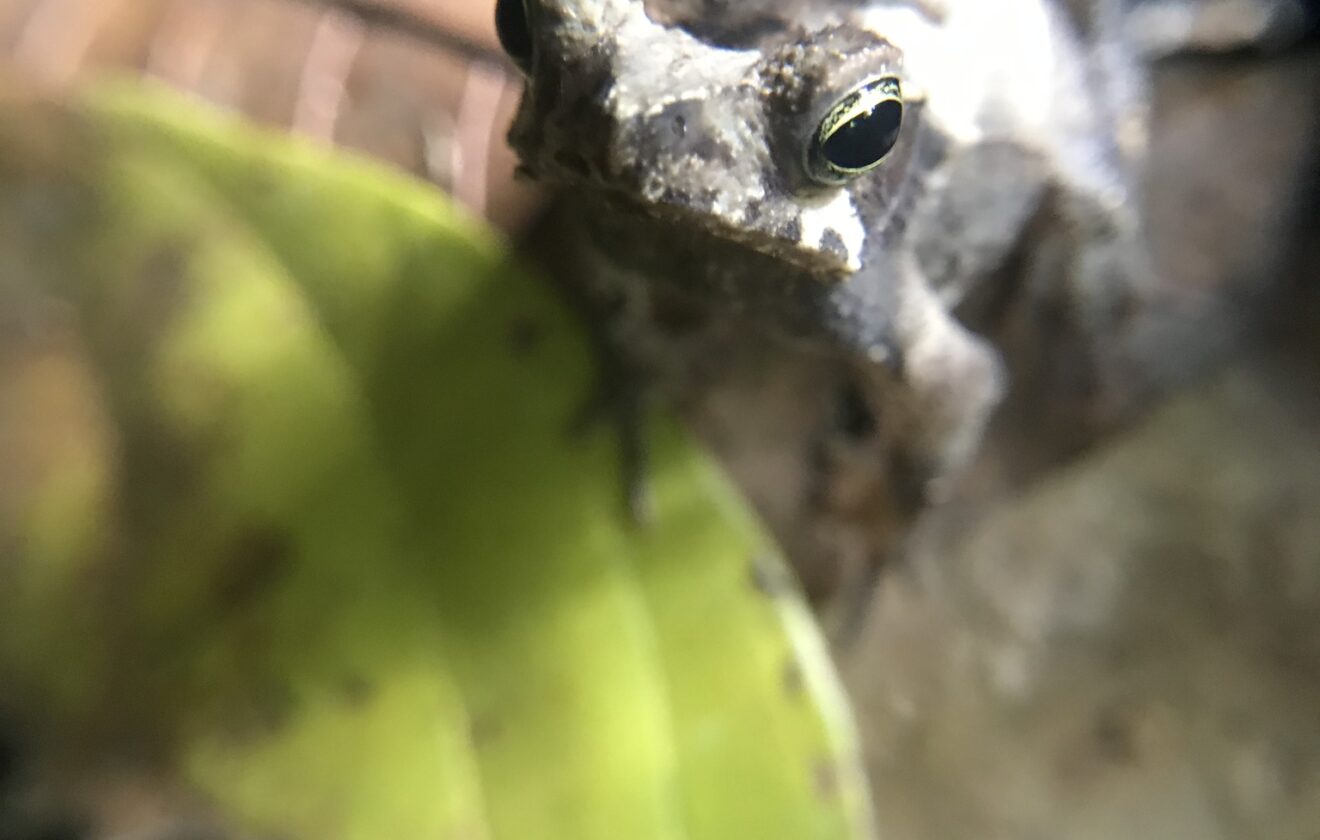
Upon observing Rhinella alata closely, you would soon realize that its subdued coloring and cryptic form epitomize natural camouflage perfected by evolution’s masterful brush. Typically measuring between 5 to 7 centimeters in length, adult Winged Toads may seem modest compared to their notorious relatives, yet their physical features harmonize seamlessly with their surroundings, demonstrating nature’s ingenuity.
Subtle Yet Distinctive#
Shades of brown, olive, and muted gray often dominate this species’ coloration, subtly dappled and flecked with darker patches to blend invisibly into decaying leaves, bark, and forest substrates. Texture becomes another key advantage, as the presence of characteristic warty bumps and paratoid glands aid in breaking up their shape, making them less detectable by the predators constantly scrutinizing the forest floor.
The unique solution for survival lies not merely in camouflage but also in chemical defense. Like many species in their broader family, Rhinella alata carries sizable parotoid glands positioned prominently behind their eyes, releasing mild toxins to discourage unsolicited predation attempts. While not extremely potent compared to some infamous poison dart frogs, these toxins remain effective enough to ensure their avoidance by predators not suitably adapted against this chemical warfare.
Behavior and Life Cycle#
Beneath these external adaptations runs a tapestry of dynamic behaviors demonstrating Rhinella alata’s resourcefulness and natural history. Active primarily at night, neotropical toads position themselves strategically within leaf litter or under logs throughout daylight hours, conserving energy while avoiding dehydration andoverheating that daytime activity would risk.
Hunting and Foraging Strategies#
Rhinella alata takes full advantage of the forest floor—a veritable banquet of insects, spiders, small invertebrates, and occasional tiny vertebrates. They are ambush predators armed with quick, sticky tongues launched in a fraction of a second toward unwary prey that wanders within striking range. Acute senses, particularly their sensitive eyes adapted for twilight and nocturnal vision, facilitate precise movements in uncertain light conditions encountered beneath thick canopies after sundown.
An Intricate Dance of Breeding#
When asking about amphibian lives, perhaps the most fascinating chapter lies in the romance beneath the rainforest canopies—the toad’s mating rituals. Rhinella alata gathers close to temporary ponds, puddles, and rainforest pools created by tropical downpours calling loudly with unique vocalizations carried through the humid air. Their resonant choruses saturate the forest’s nighttime ambience, building into an orchestral crescendo that signifies optimal breeding conditions.
Males engage in fervent competitive calling, drawing females who then select preferred mates. Fertilization occurs externally as females lay long strands of gelatinous eggs attached to submerged plants or drifting loosely beneath the water surface. The developing embryos soon hatch into tadpoles—tiny, agile forms designed perfectly to navigate their aquatic nursery until undergoing profound metamorphosis. Weeks later, upon completion of metamorphosis, freshly formed juveniles leave their natal pools equipped to embrace fully terrestrial life.
Ecological Role#
The presence of Rhinella alata proves crucial in maintaining biodiversity and ecological equilibrium within their rainforest homes. They perform as significant predators upon invertebrate populations, regulating community structures at multiple trophic levels and directly influencing energy flow through food webs.
Simultaneously, these little frogs represent mouthwatering meals for wildlife higher up the food chain, from snakes and small mammals to numerous bird species. Therefore, this toad indirectly supports and sustains broader forest biodiversity, underscoring its ecological significance beyond apparent simplicity.
Threats and Conservation Status#
Although currently listed as “Least Concern” according to the International Union for Conservation of Nature (IUCN), Rhinella alata faces threats shared by many amphibians and specialized rainforest inhabitants globally. Habitat fragmentation and deforestation represent significant challenges, eroding essential breeding habitats and disrupting migration pathways.
Additionally, climate change increases unpredictability in precipitation and alters temperature regimes, posing potentially significant implications for reproductive success and overall survival. Like numerous amphibians worldwide, fungal diseases such as chytridiomycosis present constant lurking dangers, threatening whole populations overnight if introduced and left uncontrolled.
Cultural and Scientific Significance#
Though not famously enshrined like brightly colored poison frogs revered in indigenous cultures or researched historically for pharmacological properties, Rhinella alata still carries compelling scientific value. Researchers increasingly appreciate this organism as an indicator species, recognizing its sensitivity to habitat alteration as instrumental in observing ecological changes.
Such species provide valuable insights into ecological health and resilience, highlighting subtle environmental trends otherwise difficult to discern.
Conclusion: A Call to Conservation Action#
From rainforest floors echoing nightly choruses to hidden forest niches sustained by a fragile ecological balance, Rhinella alata encapsulates beautiful synergy connecting amphibian life and diverse tropical ecosystems. Let us appreciate this understated frog, learn more deeply about these complex systems, and actively support ongoing conservation so that future generations may still marvel at its intricate and precious dance of life.