Rhaebo colomai: Unveiling the Enigmatic Toad of the Tropical Andes#
Hidden beneath the verdant canopy and moist leaf litter of the tropical Andes thrives an elusive amphibian whose mere existence intrigues scientists and nature enthusiasts alike. This curious creature is Rhaebo colomai, a rarely encountered South American frog, one whose secretive life teeters on the delicate precipice between discovery and obscurity. Named after Ecuadorian herpetologist Luis Aurelio Coloma, Rhaebo colomai embodies the incredible biodiversity of Ecuador’s cloud forests—habitats shrouded in mist and alive with a multitude of species, many of which remain poorly understood or entirely unknown to modern science.
Uncommonly observed and scarcely documented since its initial description, Rhaebo colomai has captivated researchers with its elusive nature and intriguing adaptations. At home in dense tropical habitats characterized by high humidity, heavy rainfall, and astonishing ecological diversity, it represents a critical piece in the complex mosaic of Andean wildlife. Despite lending its name to one of Ecuador’s most celebrated amphibian specialists, Rhaebo colomai remains surprisingly mysterious, offering us a rare window into the hidden lives of frogs that serve as silent sentinels of environmental health and change.
Taxonomy and Classification#
The species Rhaebo colomai is a member of the Bufonidae family, often referred to simply as toads—a diverse group with hundreds of species globally, known for their stout bodies, warty skin, and terrestrial habits. Within the Bufonidae family, it belongs to the genus Rhaebo, which comprises toads primarily distributed throughout Central and South Amazonian regions, Andean foothills, and surrounding tropical forests. This genus is distinctly characterized by its robust form, large parotoid glands, and secretive behavior that makes spotting many Rhaebo individuals in the wild quite challenging.
First formally described by herpetologists in 2012, this species quickly gained attention due to its rarity and limited known range. The name “colomai” celebrates the contributions of researcher Luis Aurelio Coloma to Ecuadorian herpetology, reflecting the significant efforts invested in unraveling the remarkable amphibian biodiversity harbored within the Andes.
Natural Habitat#
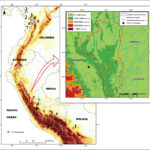
Ensconced primarily within the subtropical montane forests of Ecuador, Rhaebo colomai occupies distinct elevations typically ranging between 900 to 1,600 meters above sea level. These unique habitats, often enveloped in thick layers of clouds and frequent rain, form an enchanting ecosystem marked by lush vegetation, cascading streams, and dense understory growth. Here, biodiversity flourishes, and myriad species—including birds, insects, mammals, and other amphibians—all intricately coexist.
Within these montane ecosystems, Rhaebo colomai demonstrates a preference for terrestrial microhabitats in moist leaf litter near gently flowing streams or small water bodies. The rich, nutrient-dense forest floor provides essential shelter, food, and breeding sites. The heavy precipitation and stable humidity levels of these forests not only maintain lush plant growth but also create a perfect ambience for amphibian life. Frogs, with permeable skin reliant on high humidity, find the consistent moisture essential for hydration, respiration, and overall survival.
Physical Characteristics#
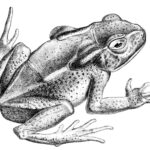
Rhaebo colomai is not merely defined by its intriguing habitat preferences, but also by its distinctive physical appearance. Typical of large terrestrial toads within the Rhaebo genus, adults display robust, stout bodies with strong limbs adapted for navigating their forest floor environment. Adults measure an average length of 60–70 millimeters, making them sizable amphibians capable of blending seamlessly into their surroundings.
The coloration of Rhaebo colomai enhances its natural camouflage, featuring shades of deep brown to olive green intermixed subtly with darker blotches or spots. This cryptic coloration, coupled with a rough, granular skin texture, allows the toad to closely mimic decaying leaves and organic debris, thus avoiding detection by predators such as birds and snakes. Their large parotoid glands, situated prominently behind the eyes, secrete a powerful toxin—a crucial defense that deters potential predators by signaling danger and providing chemical protection.
Further aiding their survival, their eyes appear large and expressive, adapted for efficient low-light vision, critical for the toad’s nocturnal habits. Such adaptations allow them to hunt with precision under the cover of darkness, ensuring their ability to swiftly capture prey.
Behavior and Life Cycle#
Nocturnal Foragers of the Forest Floor#
Like many of their amphibian cousins, Rhaebo colomai lives a mostly nocturnal life. As the region’s daylight fades to twilight, these enigmatic toads stir from their daytime shelters beneath dense leaf litter or within damp crevices. Under the security of nightfall, they venture through the gloom, expertly scouring the ground for insects, spiders, earthworms, snails, and other invertebrates—supplying crucial nutrients vital to their survival and reproductive success.
Breeding and Parental Strategies#
The life cycle of Rhaebo colomai is synchronized with the rhythms of rainforest seasons. Heavy rains trigger their reproductive behavior, prompting males to announce breeding readiness through resonant, low-pitched calls. They congregate near suitable breeding sites—typically shallow puddles, slow-moving streams, or temporary pools—awaiting receptive females. Once mating takes place, females deposit strings of eggs submerged beneath water or amidst moist vegetation.
Upon hatching, tadpoles spend their early life underwater, relying on algae, detritus, and microorganisms as primary nutritional sources. After considerable development and maturation, they undergo dramatic metamorphosis, transitioning from fully aquatic larvae to terrestrial juveniles. Newly metamorphosed young then disperse, instinctively seeking suitable terrestrial niches rich in shelter and prey.
Ecological Role#
Within their subtropical montane realm, Rhaebo colomai occupies a pivotal ecological niche. Their voracious feeding habits make them effective natural predators, helping control populations of insects and other invertebrates, which, left unchecked, could otherwise proliferate and upset ecological balance. Simultaneously, as prey to snakes, birds, mammals, and larger amphibians, they represent a crucial food source within the forest food web.
Furthermore, their sensitive amphibian physiology renders them important bioindicators—species whose health and population status offer direct insights into habitat conditions. Given this role, changes in populations of such frogs often signal broader alterations in environmental quality or indicate looming threats from pollution, climate change, or habitat destruction.
Threats and Conservation Status#
Unfortunately, the exceptional biodiversity represented by Rhaebo colomai faces increasing threats, largely linked to human-induced habitat disturbances. Habitat fragmentation and deforestation constituted by agricultural expansion, logging, and infrastructure development significantly impair the integrity and continuity of crucial forest habitats. Moreover, emerging fungal pathogens, such as chytridiomycosis, threaten amphibians globally—another potential danger facing Ecuador’s fragile amphibian communities.
As a recently described species, precise population numbers or extinction risk assessments remain limited; thus, the International Union for Conservation of Nature (IUCN) currently classifies Rhaebo colomai as “Data Deficient”. However, given its range restriction to rapidly shrinking Andean habitats, conservationists urge vigilance, promoting habitat preservation initiatives that could secure both this species and the larger ecosystem it inhabits.
Cultural and Scientific Significance#
Beyond ecological significance, Rhaebo colomai symbolizes the immense biological heritage and discovery potential harbored within Ecuador’s forests. Scientists exploring its life history hope to unlock further secrets about amphibian evolution, chemical defenses, and broader ecological dynamics. For local communities, biodiversity-rich forests represent not only cultural heritage but also potential drivers for ecotourism and environmental education—areas where species like this remarkable frog play integral, albeit sometimes indirect, roles.
Conclusion#
The enchanting story of Rhaebo colomai underscores the extraordinary biodiversity nestled within the tropical Andes and reminds us of our collective responsibility to safeguard such ecological treasures. By understanding and protecting species like this elusive amphibian, we foster healthier ecosystems and richer natural legacies. Consider contributing to or supporting local conservation organizations dedicated to preserving the Amazonian foothills, cloud forests, and their incredible, imperiled biodiversity. Together, we ensure a thriving future not only for remarkable frogs like Rhaebo colomai, but also for the countless wonders this unique region shelters.