- Exploring Rhinella amabilis: The Enchanting World of the Lovely Toad
- Taxonomy and Classification: Deciphering the Lovely Toad Lineage
- Natural Habitat: The Leaf-littered Cathedrals of Central America
- Physical Characteristics: An Ode to Quiet Beauty
- Behavior and Life Cycle: A Quiet Symphony Under the Moonlight
- Ecological Role: Quiet Guardians of Forest Health
- Threats and Conservation Status: Cherishing Quiet Wonders
- Cultural and Scientific Significance: The Toad that Inspires Wonder
- Conclusion: Embracing Quiet Charm in Conservation
Exploring Rhinella amabilis: The Enchanting World of the Lovely Toad#
Hidden amongst the lush understory beneath the jungled canopies of Central America, a quiet, charismatic amphibian makes its home. Often overlooked in favor of brighter and louder counterparts, the Lovely Toad (Rhinella amabilis) embarks on nightly quests, enriching ecosystems and reminding us of nature’s subtle wonders. With skin subtly marked and coloring quiet yet appealing, “amabilis” translates fittingly into “lovely”—a title bestowed upon this modest creature that may never seek attention but undoubtedly deserves our admiration and protection.
When illuminated in moonlight, the subtle glow of their skins—punctuated by gentle shades of brown, olive, yellow, and cream—offers a fleeting glimpse into how perfect adaptation and understated beauty can coexist. Drawing such attention to the elusive Rhinella amabilis reveals important lessons in biodiversity, forcing us to reassess not just the frogs we admire, but the vast, intricate connections hidden beneath the forest leaves.
Taxonomy and Classification: Deciphering the Lovely Toad Lineage#
Rhinella amabilis belongs to the family Bufonidae, a large and diverse family predominantly formed by terrestrial “true toads.” Within this lineage, the genus Rhinella serves as home to numerous species adapted to habitats across Central and South America. First described scientifically by herpetologist Robert G. Webb in 1960, the species’ distinct yet highly subtle physical markers warranted it the name amabilis, highlighting its unassuming charm.
Closely related to other Neotropical toads like the Cane Toad (Rhinella marina) and the Crested Toads (Rhinella margaritifera species group), Rhinella amabilis occupies a niche uniquely adapted to moist forest habitats. Taxonomically speaking, careful morphology combined with emerging genetic analysis offers deeper insights into the Lovely Toad’s evolutionary trajectory.
Natural Habitat: The Leaf-littered Cathedrals of Central America#
The geographic presence of Rhinella amabilis is particularly concentrated across northern Central America, primarily Costa Rica and Panama, extending slightly into Nicaragua. Within these humid, densely foliaged rainforest ecosystems, these toads thrive on the shaded, damp forest floors. Here, they burrow beneath decomposing leaves, finding sanctuary from predators while maintaining proximity to the essential moisture needed for amphibious existence.
An Ecosystem Within an Ecosystem#
The jungle understory habitat favored by the Lovely Toad is often overlooked but vital—a universe unto itself. Richly humified leaf litter, moss-covered tree roots, small freshwater streams trickling amidst rocks and fallen logs unite to form a perfect sanctuary. Here, humidity rarely dips and food sources proliferate. Tiny insects, spiders, and earthworms weave through this microcosm that becomes both hunting grounds and haven for the patient, watchful Rhinella amabilis.
Under nightfall, when temperatures cool slightly and predators grow less vigilant, these lovely toads emerge quietly onto the forest floor. Their effective camouflage among brown and olive hues becomes their safest protection against predators such as snakes, mammals, and birds—each skilled hunters under the forest moonlight.
Physical Characteristics: An Ode to Quiet Beauty#
Without the flashy neon coloring or dramatic size of poison-dart frogs, the aesthetic allure of Rhinella amabilis lies in subtler tones and textures. Adult Lovely Toads typically measure between 40 to 70 mm, neither impressively large nor notably small among tropical amphibians. Their robust yet compact body-feature paired with short limbs, make them efficient movers across the forest floor. Yet their legs, although modest in length, possess impressive strength vital for efficient leaps or fast retreats into hiding.
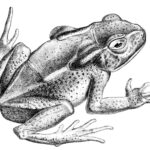
The skin texture—rough, granular, and dappled with tiny wart-like glands—confers both camouflage and predator deterrence. Coloration ranges typically from an understated brownish-yellow to olive-green, often interspersed with darker spots or lighter patches. These simple patterns expertly mimic fallen leaves, soil flecks, and mossy stones, allowing them to melt effortlessly into their surroundings. The parotoid glands behind the eyes produce mild toxins, not typically dangerous to humans, but enough to deter curious predators upon a first encounter.
Behavior and Life Cycle: A Quiet Symphony Under the Moonlight#
Nightfall in the rainforest initiates rhythmic nocturnal behaviors, and the Lovely Toad eagerly joins in this dance. Specialized feeders, these patient sit-and-wait predators remain motionless, watching closely as insects traverse nearby leaf litter. With a quick, deft flick of their sticky tongues, meals emerge as swiftly as they vanish. Beetles, termites, ants, and spiders provide a nutrient-rich menu, vital for sustaining their many nightly adventures.
Haunting Calls and Intimate Rituals#
Mating season introduces a new phase in their hidden lives, often synchronized with seasonal rains. Male Lovely Toads gather in small temporary ponds, forming intimate choruses. These vocalizations, composed of soft yet mesmerizing croaks and trills, echo gently through the wet understory, effectively drawing females from hidden recesses of the forest. The male’s unique call serves as both locator beacon and fervent demonstration of genetic quality.
Female toads carefully assess potential mates before selecting a suitable partner—after which pairs engage in amplexus, where the male firmly embraces his chosen female. Eggs are laid in strings within quiet breeding pools or gentle streams. Tadpoles, emerging from these jelly-coated eggs, soon disperse to feed and mature within the safety of shallow waters, undeveloped limbs slowly transforming their streamlined bodies into miniature versions of their terrestrial adult selves. Several weeks of metamorphosis carry them from water-bound larvae to land-exploring juveniles, freshly shaped and closely resembling their elders in color and contour.
Ecological Role: Quiet Guardians of Forest Health#
Even in their low profile, Lovely Toads remain critical components of rainforest ecosystems. Their voracious insect consumption regulates populations that might otherwise disrupt balance—contributing subtly but efficiently to pest control and ecosystem stability. Moreover, their positioning on the food web makes them valuable prey items for larger forest dwellers, completing an important ecological connection that permeates across trophic levels.
Amphibians like Rhinella amabilis also function as sensitive biological indicators, quickly affected by environmental changes such as pollution, deforestation, or climate fluctuations. Thus, their presence—or troubling absence—within an ecosystem signals broader ecological health that bears direct implications for the biodiversity around them, including human communities nearby.
Threats and Conservation Status: Cherishing Quiet Wonders#
Although currently listed as “Least Concern” by the IUCN Red List, Rhinella amabilis faces similar pressures to many amphibians globally. Habitat destruction and fragmentation from logging, agriculture, and urban expansion remain tangible and urgent threats to their rainforest homes. Climate shifts similarly disrupt rainfall patterns crucial for breeding and survival. Additionally, amphibian chytridiomycosis, a deadly fungal disease devastating populations worldwide, continues to pose risks.
Thankfully, increased awareness and initiatives such as habitat restoration, sustainably managed protected areas, and citizen science monitoring projects offer refreshing hope for the Lovely Toad. These actions uplift conservation ideals, bridging research with practical conservation strategies, ensuring this modest amphibian can quietly persist into coming generations.
Cultural and Scientific Significance: The Toad that Inspires Wonder#
Beyond ecology, the Lovely Toad holds more intangible value. Indigenous communities across Central America traditionally view amphibians as cultural symbols, representing fertility, rain, and transformations. Scientific research involving similar species within its genus contributes significantly to medical research, including pharmacological discoveries from toxins, antibiotic compounds, or biomimetic applications.
Conclusion: Embracing Quiet Charm in Conservation#
Hidden beneath rainforest leaves, the remarkable Lovely Toad awaits discovery by those patient enough to appreciate subtlety. The enchanting essence of Rhinella amabilis reminds us that nature’s most intriguing treasures often lie quietly, modestly waiting to impart irreplaceable wisdom.
As stewards of biodiversity, our continued awareness, research, and advocacy safeguard the tranquility of these creatures, ensuring their precious survival. Let the journey beneath tropical canopies begin one small, lovely amphibian at a time—each encounter proving just how endlessly fascinating nature truly is.