- Poyntonophrynus lughensis: Exploring the Remarkable Life of the Lughen's Dwarf Toad
- Taxonomy and Classification of Poyntonophrynus lughensis
- An Intimate Portrait of Its Natural Habitat
- The Subtle Beauty of Lughen's Dwarf Toad: Physical Characteristics
- A Peek into the Secretive Behaviors and Life Cycle of Lughen’s Dwarf Toad
- The Unique Ecological Role of Poyntonophrynus lughensis
- Facing Environmental Pressures: Threats and Conservation Status of Lughen’s Dwarf Toad
- Cultural and Scientific Contributions: The Broader Significance of Lughen’s Dwarf Toad
- A Call for Conservation and Awareness
Poyntonophrynus lughensis: Exploring the Remarkable Life of the Lughen’s Dwarf Toad#
Hidden beneath leaves and nestled among the scattered rocks and shrubs of East Africa lies a humble yet intriguing creature—Poyntonophrynus lughensis, known commonly as Lughen’s dwarf toad. Often unnoticed and easily overlooked, this unique amphibian holds countless secrets within its small, robust frame, offering nature enthusiasts and conservationists alike a captivating glimpse into the complex interplay between species and habitat. Bearing a fascinating scientific name, Poyntonophrynus lughensis, this diminutive frog is far more than it first appears; it serves as a vital ecological component and an indicator of the environmental health of its native lands.
At first glance, the Lughen’s dwarf toad could appear mundane, but closer observation reveals an amphibian brimming with fascinating behaviors and adaptive characteristics. This species beautifully illustrates nature’s endless creativity and perfectly tuned evolutionary adaptation, thriving despite a litany of environmental challenges. Let’s delve deeper into the captivating life of this remarkable toad, exploring how this tiny amphibian fits harmoniously within its delicate ecosystem and why its survival is crucial for ecological stability.
Taxonomy and Classification of Poyntonophrynus lughensis#
Poyntonophrynus lughensis belongs to the Bufonidae family, commonly known as true toads, comprising numerous terrestrial and semi-aquatic species globally recognizable for their distinctive appearance and adaptive lifestyle. Originally described by Loveridge in 1932, this species was once placed within the broad genus Bufo before taxonomic revisions led to a more refined classification under the current genus, Poyntonophrynus. The genus honors renowned herpetologist John Charles Poynton, paying homage to his significant contributions to African amphibian research.
In close taxonomic relationships with several other African dwarf toad species, Lughen’s dwarf toad holds a unique position. Each species within the genus has evolved distinct adaptations to varying habitats, allowing researchers valuable insight into evolutionary processes. Understanding the taxonomy and lineage of Poyntonophrynus lughensis enables scientists to contextualize its ecological role and conservation status, benefiting broader amphibian preservation efforts throughout Africa.
An Intimate Portrait of Its Natural Habitat#
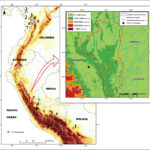
To truly appreciate the charm and adaptability of Poyntonophrynus lughensis, we must journey into its native ecosystems, scattered across East African nations including Northeast Tanzania, Kenya, and extending possibly into Uganda, Ethiopia, and Somalia. Characteristically elusive, Lughen’s dwarf toad thrives in arid and semi-arid savannah habitats, often finding sanctuary near rocky outcrops, dry riverbeds, scattered acacia shrublands, and areas dominated by sparse vegetation. Adapted specifically for survival in habitats that can alternate between dry periods and sudden rainfall, this resilient toad personifies adaptability itself.
Seasonal rainfalls dramatically transform their habitats, bringing forth a myriad of temporary pools and dwindling streams—ideal breeding grounds for these amphibians. Following heavy rains, evenings come alive with the resonating chorus of male frogs, calling fervently from beneath submerged vegetation, rocks, or shallow waters to attract potential mates. Away from the rainy spells, Lughen’s dwarf toad carefully selects crevices or leaf litter to shelter from intense daytime heat, emerging in the cooler nights to seek out invertebrate prey.
The Subtle Beauty of Lughen’s Dwarf Toad: Physical Characteristics#
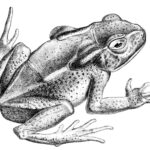
Epitomizing the term “small yet hardy,” Lughen’s dwarf toad seldom exceeds 30 millimeters in length, rendering it one of the smaller amphibious residents within its geographical range. Superficially similar to other toads, this species presents distinctive characteristics that distinguish it competitively and evolutionarily. Their squat, rounded bodies, short robust limbs, and prominently knobby or warty skin textures aid greatly in camouflage, allowing them to remain virtually invisible amid scattered debris and leaf litter.
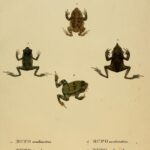
Coloration reflects the subtle shades of the savannah—from mottled browns and grays to faint reddish hints—allowing them impressive camouflage against predators. Each individual reveals slight variations in patterning and coloration, ranging from darker streaks to irregular blotches across their backs, providing adaptive concealment within their niche habitats. Pair this cryptic coloration with their remarkable ability to remain perfectly motionless when sensing potential threats, and you have one skillful survivor, perfectly suited to thrive in challenging landscapes.
A Peek into the Secretive Behaviors and Life Cycle of Lughen’s Dwarf Toad#
Feeding and Hunting Techniques#
As opportunistic predators, Lughen’s dwarf toads venture out cautiously during cool, humid nights. Equipped with excellent night vision and sensitive skin receptors, they rely heavily upon stealth and rapid bursts of movement to capture prey. Their diets predominantly comprise small arthropods—including beetles, ants, spiders, termites, and occasionally small worms. Patiently lying in ambush, these small amphibians can detect vibrations of passing prey, striking with remarkable precision and swallowing their meal whole.
Seasonal Reproductive Patterns#
Reproduction in Poyntonophrynus lughensis is intrinsically tied to seasonal rainfall, with breeding migrating closely alongside the arrival of water sources. After significant rains, male frogs emerge to vocalize distinctive, repetitive calls, traveling considerable distances to reach ephemeral pools. Females soon follow suit, carefully selecting mates based on their calls and territorial positioning around breeding sites.
The eggs are laid in lengthy gelatinous strings attached to submerged vegetation or shallow pool bottoms, where they quickly develop. Tadpole growth occurs rapidly, influenced heavily by the duration and depth of temporary water bodies. Metamorphosing swiftly into tiny juvenile frogs, they immediately face a harsh landscape and countless predators, triggering survival instincts from their first days of terrestrial life.
The Unique Ecological Role of Poyntonophrynus lughensis#
Despite humble appearances, Lughen’s dwarf toad plays an essential ecological role within their native ecosystems. Occupying a niche as insectivorous predators, they efficiently regulate invertebrate populations, balancing delicate predator-prey dynamics crucial for ecosystem functionality. From beetles to termites, these resilient amphibians keep populations in check, indirectly supporting vegetation growth and soil health.
Additionally, they hold an equally important role as prey within complex food webs. Birds of prey, snakes, larger amphibians, and even various mammals depend partially on these tiny toads for nourishment. Lughen’s dwarf toads’ health and population stability therefore reflect broader environmental balance—representing critical biological indicators, particularly sensitive to alterations caused by human activities and climate change.
Facing Environmental Pressures: Threats and Conservation Status of Lughen’s Dwarf Toad#
Despite their admirable adaptability, populations of Poyntonophrynus lughensis face increasing threats from ongoing habitat disruption, human expansion, changing land uses, and climate alterations. Habitat degradation, particularly due to agricultural expansion and urban encroachment, removes critical breeding and sheltering habitats. Climate shifts produce unpredictable rainfall patterns, interrupting their critical reproductive cycles. Fortunately, the International Union for Conservation of Nature (IUCN) classifies Lughen’s dwarf toad as “Least Concern,” yet continued habitat loss could swiftly alter this positive status.
Conservation efforts thus emphasize habitat preservation and ecological research. Protecting critical wild areas through targeted conservation initiatives and ecologically mindful land-practices becomes crucial. By deepening our biological understanding of Lughen’s dwarf toad through research, we contribute substantially to efforts preserving both the species and the stability of their shared habitats.
Cultural and Scientific Contributions: The Broader Significance of Lughen’s Dwarf Toad#
While Lughen’s dwarf toad may not hold pronounced direct cultural symbolism among local communities, amphibians universally represent transformation, adaptability, and environmental health across many cultures globally. Moreover, scientifically, their sensitivity to environmental shifts makes amphibians like Lughen’s dwarf toad critical bio-indicators, reflecting ecosystem integrity and resilience. Research into their populations and ecology contributes significantly to environmental monitoring and conservation biology.
A Call for Conservation and Awareness#
Understanding and celebrating smaller amphibians like Poyntonophrynus lughensis deepens our connection to the delicate, interconnected tapestry of life. From their vital ecological roles to their poignant conservation narratives, Lughen’s dwarf toad embodies resilience, adaptation, and delicate balance—qualities worth safeguarding. As nature enthusiasts and concerned conservation supporters, we each hold the power to bolster conservation-focused actions, inspire ecological stewardship, and advocate passionately for the incredible amphibians that quietly share our planet.
Let us strive collectively to ensure the continued existence and ecological success of remarkable amphibians like Lughen’s dwarf toad—an ambassador for conservation, adaptation, and the precious gifts hidden within our natural world.