Peltophryne peltocephala: Uncovering the Secret Life of Cuba’s Fascinating Giant Toad#
In the lush, tropic greenery of Cuba exists a world often lost beneath the rustle of palm fronds and tangled vegetation. Sheltered by shadows and nourished by relentless humidity, an enigmatic creature traverses quietly—seen fleetingly yet remembered distinctly by those lucky enough to catch a glimpse. This mysterious amphibian is none other than the Cuban Giant Toad, scientifically named Peltophryne peltocephala, a captivating species whose peculiar appearance and fascinating biology epitomize the enchanting diversity of Cuba’s wildlife.
While many may overlook toads in favor of more charismatic animals, the Cuban Giant Toad boasts an assortment of adaptations and behaviors that not only enhance our understanding of ecological dynamics but also underscore its importance as a sentinel of environmental health. Let’s journey together into the captivating story of this extraordinary amphibian, exploring its ecology, behavior, and the urgent conservation pressures it faces in an ever-changing world.
Taxonomy and Classification#
To truly appreciate Peltophryne peltocephala, we must first place it within its proper biological context. It is part of the family Bufonidae, a vast grouping of typically robust amphibians known commonly as “true toads.” This family is renowned globally, with members present on nearly every continent, though few are as unique as Cuba’s beloved giant.
Within Bufonidae, Peltophryne represents a genus that has diversified primarily across the Caribbean islands, with its constituent species uniquely adapted to tropical climates and insular ecosystems. Closely related to other Caribbean toads, Peltophryne peltocephala was originally described by Tschudi in 1838. Its unique traits and restricted habitat range make it a focus of ecological study, illustrating evolutionary adaptation on island habitats.
Natural Habitat#
An Amphibian Paradise: The Cuban Landscape#
The Cuban Giant Toad dwells exclusively within Cuba’s complex matrix of subtropical forests, shrublands, and wetland ecosystems. This species thrives primarily at low elevations, typically found less than five hundred meters above sea level. Areas with dense leaf litter, decaying logs, and shaded vegetation provide shelter and hunting grounds necessary for its survival.
One might stroll gently through moist forest paths, noting earthy aromas and humidity lingering in the air, entirely unaware that hidden nearby beneath palm litter, a solitary giant toad patiently waits out the midday heat. To these toads, dense forest floors and humid microclimates are home—offering critical refuge from predators and ensuring moisture retention, a crucial requirement for amphibians vulnerable to dehydration.
Microhabitats and Ecological Niches#
Within its native range, this species frequently favors areas in close proximity to freshwater sources—small ponds, temporary streams, and seasonal wetlands. Here in these moist enclaves, the toads easily locate ample food resources such as insects, spiders, and small invertebrates, making them critical contributors to local insect population control. Their habitat preference thus underscores their intricate role within the delicate balance of their localized ecosystems.
Physical Characteristics#
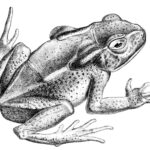
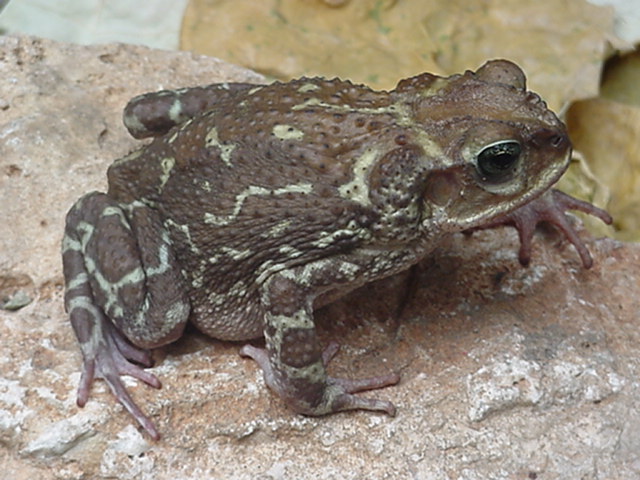
The Cuban Giant Toad is aptly named for its impressive stature relative to many other Caribbean amphibians. Adults typically measure between 8 to 15 centimeters in length, easily outmatching their more diminutive cousins in their genus. Exhibiting a sturdy, muscular build, these toads embody resilience—demonstrating robust limbs ideal for both swift movements and patient ambush predation.
Their coloration varies subtly between individuals but typically shows earthy tones—brown, reddish-brown, and olive shades with occasional darker blotching patterns—perfectly tailored camouflage against leaf litter and forest floors. Their rugged, wart-covered skin may seem unattractive to some, but their textured exterior is a sophisticated adaptation to deter predators and prevent moisture loss through evaporation. When disturbed, specialized glands behind their eyes secret mild toxins which, while not typically harmful to humans, effectively deter potential predators by causing irritation and discomfort.
Behavior and Life Cycle#
The Silent Hunter by Night#
The Cuban Giant Toad relies on keen senses and patient strategy when it hunts. Being largely nocturnal, it is most active during the humid night hours, skillfully employing ambush tactics. Subtly positioned against the forest floor coloration, it patiently waits, immobile and silent, until insect prey unknowingly ventures within striking distance. A swift flick of its sticky tongue, almost invisible in speed, secures a nourishing meal.
Reproduction and Offspring Development#
The rainy season signals the beginning of life anew, prompting these resilient creatures to congregate near freshwater sources, seeking out prospective mates. Male Cuban Giant Toads serenade potential mates with deep, resonant croaking calls which echo gently through humid evenings, creating nature’s own amphibian orchestra.
Female toads deposit long, gelatinous egg strings typically containing several thousand eggs in slow-moving waters or small ponds that will safeguard the developing offspring. As tadpoles hatch and school together instinctively, their collective behavior protects against predation, though certainly many will fall prey to aquatic insects, fish, and birds before metamorphosis occurs.
Within weeks, surviving tadpoles undergo a remarkable transformation—hind limbs emerge first, followed by forelimbs; their gills fade away, replaced by lungs as they prepare to transition to terrestrial living. Newly metamorphosed juveniles that clamber ashore measure scarcely larger than a thumbnail, embarking on an uncertain journey toward adulthood.
Ecological Role#
The position the Cuban Giant Toad occupies in its native ecosystem cannot be overstated. Their primary role as insectivores establishes them as critical agents in insect population regulation. Lesser-known, however, is their importance as prey species, nourishing larger predators such as snakes, birds of prey, and mammals.
This dual role situates Peltophryne peltocephala squarely within Cuba’s ecological web, emphasizing how interconnected and intricately balanced ecosystems truly are. The disappearance or reduction of such species would inevitably ripple outward, affecting countless other populations and ultimately weakening the overall ecosystem health and stability.
Threats and Conservation Status#
The Fragility of Amphibians in a Changing World#
Like many amphibians, the Cuban Giant Toad faces significant threats primarily from habitat loss and degradation. Expanding agriculture, increasing urban development, pollution from agricultural runoff, and invasive species introductions combine to create a challenging scenario for Cuba’s native wildlife.
Climate change introduces yet another layer of vulnerability. Increasing frequency of extreme weather events, shifting rainfall patterns, and higher temperatures challenge amphibians severely. These factors disrupt breeding cycles, reduce suitable habitat, and facilitate the spread of amphibian-targeting diseases such as chytridiomycosis.
Currently, the International Union for Conservation of Nature (IUCN) classifies Peltophryne peltocephala as Least Concern, a classification that belies the vigilance required by conservationists. Constant monitoring, habitat restoration programs, and ongoing research are essential to preempt the decline observed in related Caribbean amphibians, ensuring a stable future for this distinctive toad.
Cultural and Scientific Significance#
In Cuban mythology and local lore, toads often symbolize fortune, transformation, and resilience, attributes that fittingly depict the resilience required by native wildlife amid ecological pressures.
Scientifically, Cuba’s giant toad population lends itself to studies on amphibian toxicity, physiological adaptations to humid island ecosystems, and amphibian responses to climate and ecological disturbances. Their careful study assists scientists globally in unraveling the mysteries of amphibian declines, diseases, and environmental indicator roles played by sensitive amphibian species.
Conclusion#
The humility of understanding life’s interconnectedness takes center stage in the story of Peltophryne peltocephala, Cuba’s gentle giant among amphibians. This critically important yet often undervalued species reflects an enduring narrative of adaptation, charismatic survival instinct, and vulnerability—a reflection deeply worth appreciating, understanding, and safeguarding.
To honor the significance of this unique amphibian and its habitat, let us become active champions of conservation, engage in increased environmental awareness, and advocate thoughtful ecological protection. Our collective efforts and commitments will ensure vibrant wildlife populations and safeguard the natural treasures treasured globally for generations to follow.