- Introduction: A Toad of Hidden Mysteries
- Taxonomy and Classification
- Natural Habitat: Life Amongst Cuba's Rocky Coasts
- Physical Characteristics: Evolution's Refined Design
- Behavior and Life Cycle: Quiet Lives Beneath Leaf Litter
- Ecological Role: Guardians of Forest Integrity
- Threats and Conservation Status: A Tenuous Existence
- Cultural and Scientific Significance: A Toad Worth Protecting
- Conclusion: Safeguarding Cuba’s Hidden Marvel
Introduction: A Toad of Hidden Mysteries#
The lush forests and rocky landscapes of Cuba harbor one of nature’s fascinating secrets—a small yet distinctive amphibian known scientifically as Peltophryne longinasus. Affectionately nicknamed the Cuban Long-Nosed Toad, this unique amphibian beckons curiosity with its peculiar appearance and elusive nature. Rarely observed and often overlooked, Peltophryne longinasus quietly inhabits a specific ecological niche, hiding amongst leaf litter, beneath shady palms, and amidst the moisture-laden crevices of Cuba’s coastal woodlands.
With its uniquely elongated snout—an adaptation that prompted its Latin epithet, “longinasus,” meaning “long-nosed”—this diminutive marvel has evolved to exploit ecological opportunities unnoticed by other creatures. Though largely unknown outside taxonomist circles and conservationists, the story of this intriguing toad is woven deeply into the rich tapestry of Cuban biodiversity and conservation. Dive into the nuanced world of Peltophryne longinasus; you will discover a story of specialized adaptation, ecological balance, and subtle charm that epitomizes nature’s ingenuity.
Taxonomy and Classification#
Peltophryne longinasus is classified within the family Bufonidae, commonly recognized as true toads. This extensive family includes species renowned for their rough skin, stout bodies, and parotoid glands—distinct glands located behind the eyes, secreting toxins to deter predators. Within the genus Peltophryne, which encompasses several Caribbean endemic species, P. longinasus stands out prominently due to its elongated nasal structure, a distinctive feature setting it apart from closely related cousins such as Peltophryne peltocephala and Peltophryne florentinoi.
Taxonomists first described this species in scientific literature in 1905. Since then, it has drawn subtle attention among amphibian specialists intrigued by its unusual anatomical adaptations and relatively restricted distribution, positioning the species as a compelling area for continued research and study.
Natural Habitat: Life Amongst Cuba’s Rocky Coasts#
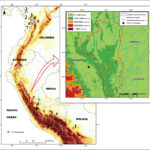
Narrowly endemic to eastern Cuba, Peltophryne longinasus inhabits a specialized habitat mosaic of rocky limestone outcrops, coastal forests, and shrubby woodland habitats near low elevation coastal zones. Regions around Guantánamo, Holguín, and Santiago de Cuba have been recognized as critical sites where this elusive species quietly persists amongst leaf litter and dense ground cover.
The forests here are a veritable paradise for amphibians, characterized by closed canopies with scattered palms and dense shrubbery, moisture-laden leaf litter, caves, and rocky outcrops peppered throughout the terrain. The coexistence of these habitats creates the perfect microclimatic conditions for amphibian life, allowing this secretive toad species to thrive. Humidity, shade, shelter, and temperature stability—it’s all there amid rocky shadows and watery pools formed after rainfall.
Within this lush environment, the Cuban Long-Nosed Toad skillfully maintains camouflage, blending into its surroundings seamlessly. These intricate landscapes offer abundant food sources such as invertebrates while providing refuge from predators. However, the habitat’s limited and isolated nature has also rendered the species particularly vulnerable to environmental disturbance and habitat degradation.
Physical Characteristics: Evolution’s Refined Design#
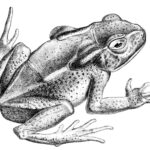
Compact yet strikingly unusual, Peltophryne longinasus is characterized primarily by its elongated, notably pointed snout—a distinctive feature among its genus. Mature adults are small to medium-sized toads with lengths averaging around 30–45 millimeters. Their bodies are robust and compact, covered in granular skin that is moderately rough to the touch. Skin tones vary from earthy hues of dark brown, olive, and greyish-green, harmonizing flawlessly with their natural habitat. Intricate dark mottling and subtle spots further enhance their remarkable camouflage capabilities.
The long, tapered snout serves more than an aesthetic role. Specialists suggest that this morphological trait greatly aids in foraging efficiency, allowing the toad to root through leaf litter and crevices with ease and precision. Large eye proportions suggest keen nocturnal vision, which enables an effective nightly hunt for insects and small invertebrates. Behind each eye lies the characteristic, raised parotoid gland whose toxins offer a critical line of defense against potential predators such as snakes, birds, and introduced mammalian species.
Webbed digits and robust limbs reflect the animal’s terrestrial yet moisture-dependent lifestyle. Coupled with well-developed hind limbs, these features lend remarkable agility and jumping capabilities, essential in the sudden, darting escapes from danger.
Behavior and Life Cycle: Quiet Lives Beneath Leaf Litter#
Nocturnal Feeding and Secretive Habits#
Primarily nocturnal, Peltophryne longinasus ventures forth after nightfall in search of prey. Its diet consists of small arthropods, ants, beetles, spiders, and other invertebrates abundant in the moist layers of the forest floor. Using its elongated, sensitive snout, it gently probes the leaf litter, deftly rooting out hidden food sources concealed in the dark.
Mating Rituals and Reproductive Cycles#
When seasonal rains arrive, the stoic silence of these woodlands breaks into a symphonic display of mating calls. Male toads chorus softly, emitting short, resonant sounds meant to attract females towards temporary rain pools or slow-moving streams scattered through their rocky habitat. These brief seasonal breeding aggregations are ephemeral yet integral in perpetuating the species’ survival.
Females lay gelatinous strands of eggs submerged in shallow pools and slow-flowing streams. Tadpoles hatch shortly thereafter, undergoing metamorphosis remarkably quickly to adapt rapidly to temporary freshwater sources prone to drying. Juvenile toads then quietly slip ashore, embarking on lives rich in resilience and subtle endurance.
Ecological Role: Guardians of Forest Integrity#
Despite their petite stature and cryptic presence, Peltophryne longinasus fulfills significant ecological roles in its native ecosystem. Primarily insectivorous, these toads are essential predators controlling populations of small insects and arthropods, wisely shaping local biodiversity.
Simultaneously, these toads represent a crucial prey item for snakes and predatory birds, contributing to the trophic dynamics that sustain ecological balance. Furthermore, as sensitive amphibians, their presence functions as a biological indicator, providing crucial signals regarding reduced ecosystem health or impending threats such as pollution, habitat disturbances, or climatic changes—all critical data for proactive conservation strategies.
Threats and Conservation Status: A Tenuous Existence#
Currently listed under the International Union for Conservation of Nature (IUCN) as Vulnerable, Peltophryne longinasus faces tangible threats looming over its survival. Habitat fragmentation and destruction caused by expanding agriculture, coastal urban development, and invasive plants pose substantial pressures upon this already geographically restricted species.
Climate change adds additional complexity, threatening the already delicate moisture balance of its fundamentally dependent habitat mosaic. Increased drought events and unpredictable rainfall disturb the precise conditions required for successful breeding, reproduction, and long-term survival.
The necessity for targeted conservation action is urgent. Local research initiatives, habitat protection measures, and raising awareness about ecosystem importance remain key actions urgently needed to secure this extraordinary amphibian’s long-term resilience.
Cultural and Scientific Significance: A Toad Worth Protecting#
Though sometimes overlooked in wider cultural narratives, Cuban ecosystems—and the organisms they shelter—hold significant national symbolism as biodiversity treasures. Scientifically, the species presents significant intrigue due to its unique morphological features and ecological adaptations. Scientists studying amphibian biology, climate adaptation, and predator-prey dynamics consider Peltophryne longinasus a compelling subject for broader ecological understanding, conservation science advancement, and climate responsiveness.
Conclusion: Safeguarding Cuba’s Hidden Marvel#
In the quiet shadows beneath Cuban forests, Peltophryne longinasus patiently endures as a poignant illustration of biological evolution, ecological interconnection, and conservation urgency. It reminds us of nature’s fragility—and its incredible resilience. By understanding, appreciating, and actively championing its protection, we empower ourselves to conserve the invaluable diversity within this rich island ecosystem. Let us take up the responsibility to preserve Cuba’s mysterious long-nosed toad, honoring its quiet, resilient story for generations to experience and admire.