Oreophrynella weiassipuensis: The Enigmatic Pebble Toad of the Guiana Highlands#
Deep within the isolated tabletop mountains that define the mystique of South America’s Guiana Shield, hides a small, remarkable amphibian whose survival depends on strategy over speed. Oreophrynella weiassipuensis—a species affectionately known among herpetologists as the Pebble Toad—embodies one of nature’s most inventive adaptations. Through an intricate blend of camouflage, unique vocalizations, and dramatic defensive maneuvers, this diminutive creature thrives in a harsh and unforgiving terrain, providing a window into evolutionary innovation and resilience.
Discovered relatively recently, the peculiar lifestyle and remarkable adaptations of the pebble toad have captivated researchers, naturalists, and wildlife enthusiasts alike. But what exactly is the Oreophrynella weiassipuensis, and why should we care about its fragile existence? This comprehensive exploration will take you deep into the heart of its remote plateau habitat, illuminating the life and challenges surrounding this extraordinary amphibian.
Taxonomy and Classification#
Standing firmly within the family Bufonidae—the diverse group commonly known as true toads—Oreophrynella weiassipuensis belongs to the genus Oreophrynella, a collection of atypical and highly specialized toads endemic to the mountainous uplands of northern South America. First described scientifically in 2009, this species was named after the Wei-Assipu-tepui, the isolated tabletop mountain peak that it calls home.
Within the genus Oreophrynella, each species inhabits separate tepuis, resulting in highly specialized adaptations and subtle distinctions evolved through geographic isolation. These “sky islands” have served as treasure troves of evolutionary mystery, each hosting unique life forms evolving independently from their relatives, subject to an eternity of ecological isolation atop steep cliff walls and rocky outcrops.
Natural Habitat#
The Oreophrynella weiassipuensis occupies a truly legendary landscape—the plateau of Wei-Assipu-tepui, part of a series of sandstone table mountains bounded by expansive lowland jungles below. These tepuis line the horizon like forgotten fortresses, their cliffs rising abruptly from surrounding forest canopies, their summits shrouded in eerie clouds and mist.
Geographical Range and Isolation#
The Wei-Assipu-tepui, situated in southern Guyana near the borders with Brazil and Venezuela, is incredibly remote. Here, encapsulated by extreme topographic isolation, unique species like Oreophrynella weiassipuensis have evolved undisturbed by outside influences. Their existence confined exclusively to the high-altitude ecosystems of these plateaus makes their populations highly sensitive to environmental changes.
Habitat Characteristics#
Life atop a tepui is demanding. These primitive landscapes are marked by rugged terrains, sparse nutrients, unpredictable rainfall, and constant exposure to the elements. Oreophrynella weiassipuensis thrives primarily among mossy surfaces, damp rock crevices, and tussocks of short vegetation that withstand the mountainous winds and lashing rains. Temperature fluctuations are dramatic, and fog envelops the summit nearly year-round. The habitat’s harshness has dictated specialized behavior and unique adaptations in the pebble toad, notably their athletic servitude to gravity during predator evasion.
Physical Characteristics#
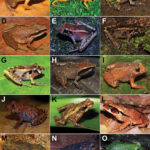
Oreophrynella weiassipuensis is small, seldom exceeding two centimeters from snout to vent, and presents a compact, sturdy build. At initial glance, its most salient characteristic is its pebble-like appearance—a name earned dutifully through morphological adaptation for concealment among the plateau’s rocky landscape.
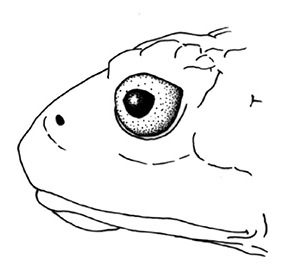
Its skin is granular, coarse to the touch, and mottled shades of browns, greys, blacks, and greens blend effortlessly with adjacent rocks and lichens. The limbs are short and stout, optimized, astonishingly, not for leaping or great speed but for careful traversal of precarious edges and vertical rock faces. The small, protruding eyes, expressive though unassuming, afford a broad view of their surroundings, integral for detecting approaching threats.
An Adapted Anatomy#
The pebble toad possesses remarkable skeletal and muscular adaptations contributing to its survival in such an extreme niche. Its limbs are compact and reinforced to withstand falls from considerable heights. Bones and joints are structured flexibly, dispersing impact forces and greatly reducing risk of injury. This evolutionary marvel lends Oreophrynella weiassipuensis its remarkable and distinctive predator-evasion technique: a calculated and controlled tumble from perilous elevations—a talent unparalleled among amphibians.
Behavior and Life Cycle#
Life atop Wei-Assipu-tepui is unpredictable, demanding dramatic survival techniques and adaptive behaviors. One of Oreophrynella weiassipuensis’s most endearing—and scientifically impressive—traits is the famous tumbling escape behavior, widely documented by field biologists and filmmakers alike.
Diet and Feeding Habits#
Oreophrynella weiassipuensis primarily feeds on diminutive insects, arthropods, mites, and larvae residing amidst moss-covered rocks, small vegetation mats, or within cracks of boulders. Patient and methodical in foraging, the pebble toad employs a sit-and-wait strategy. Instead of energetically pursuing prey, it utilizes its efficient camouflage and precise ambush tactics for capturing small prey animals that venture within striking distance.
Unique Defense Behavior#
Upon encountering danger, rather than hopping to safety as most amphibians do, Oreophrynella weiassipuensis draws its small legs tight against its body, becoming nearly spherical in shape. Once balled up, it rolls or bounces uncontrollably down slopes, rapidly escaping predators, who are left bewildered atop the cliffs. Remarkably, this tumbling action rarely injures the toad, thanks to its specialized anatomy and robust, rubbery skin. Researchers continue investigating this bizarre adaptation, fascinated by evolutionary pressures that drove such remarkable behavior.
Reproduction and Life Span#
Breeding strategies for Oreophrynella weiassipuensis remain somewhat elusive, but observations suggest reproductive activities coincide with wetter seasons and higher moisture availability. Males produce high-pitched mating calls, resonating softly across rocky terrain, attracting receptive females to water-filled crevices or small transient pools. Females deposit yolk-rich eggs in protected, moisture-secured locations, ensuring developing tadpoles access necessary moisture. Young emerge as fully-formed miniature adults, skipping the aquatic larval stage—a critical adaptation for surviving atop water-scarce mountaintops.
Ecological Role#
This diminutive amphibian plays a pivotal ecological role atop isolated tepuis. Serving as both predator and prey, Oreophrynella weiassipuensis regulates small insect populations, maintaining delicate ecological balances critical to its high-altitude ecosystem. Additionally, the species itself constitutes a vital food resource for specialized predators inhabiting tepui summits, including certain bird and arachnid species.
An Indicator Species of Climate Change#
Highly specialized species like the pebble toad, inhabiting restricted mountaintop habitats, serve as sensitive sentinels alerting researchers to impacts of broader environmental changes. Subtle climatic shifts, increased temperature variability, and altered precipitation patterns present significant threats, thus making Oreophrynella weiassipuensis an essential bioindicator reflecting global environmental health.
Threats and Conservation Status#
Given its extreme geographical isolation and small population, Oreophrynella weiassipuensis is inherently vulnerable. Officially considered Data Deficient by the IUCN due to limited available data on population dynamics, continued research efforts are critical for properly assessing its conservation status.
Climate change remains its gravest threat, influencing moisture availability atop tepuis. Although direct human pressure is minimal due to the region’s remote nature, global warming, intensified storms, and altered weather patterns greatly affect the delicate ecosystem these toads rely upon. Conservation prioritization, habitat protection, and careful ecological monitoring are necessary to safeguard its fragile existence.
Cultural and Scientific Significance#
Tepui habitats have long held cultural significance to indigenous peoples, associated with ancestral spirits, legends, and reverence. Though specifically undocumented culturally regarding this species, the discovery of Oreophrynella weiassipuensis highlights broader significance—geographical isolation promoting evolutionary diversity, unlocking ecological secrets invaluable to science.
Conclusion: A Call to Action#
To encounter Oreophrynella weiassipuensis is to witness firsthand nature’s ingenuity and resilience. By examining and appreciating this unique creature, we glimpse evolutionary brilliance adapted patiently against formidable odds atop mountaintops cloaked in solitude and mystery. Its fragility reminds us of nature’s delicate interconnectedness, signaling our global responsibility in preserving these hidden worlds. Let their survival inspire our advocacy, heightening collective commitment to biodiversity conservation—one tiny pebble toad atop an ancient plateau might one day lead scientific initiatives, environmental stewardship, and ecological awareness worldwide.