- Introduction: An Echo from the Lost World
- Taxonomy and Classification
- Natural Habitat: Life Above the Clouds
- Physical Characteristics: Perfect Adaptation to Rugged Terrain
- Behavior and Life Cycle: Thriving Against the Odds
- Ecological Role: Indicators of Ecosystem Health
- Threats and Conservation Status
- Cultural and Scientific Significance
- Conclusion: Preserving a Precious Relic of Evolution
Introduction: An Echo from the Lost World#
High upon the mist-shrouded plateaus of South America’s Guiana Shield, hidden within towering sandstone cliffs known as tepuis, lives a frog unlike most you’ve ever imagined—Oreophrynella macconnelli. A creature from what feels like a forgotten era tucked away in isolation, this tiny amphibian carries the charm and mystique of an ancient world that inspired Arthur Conan Doyle’s classic “The Lost World.” Clambering across rocky outcrops above expansive cloud forests, this remarkable frog endures in an environment marked not merely by isolation, but by fascinating adaptations that have evolved over millennia.
Oreophrynella macconnelli, commonly known as McConnell’s Oreophrynella or McConnell’s Pebble Toad, belongs to a small and intriguing group of amphibians known for their extraordinary ability to survive in harsh, remote habitats—often disconnected entirely from the wider rainforest ecosystems below. With their distinctive behaviors and peculiar adaptations, these frogs not only intrigue scientists and naturalists but also serve as vital indicators in understanding the health and stability of unique, cloud-capped ecosystems.
Taxonomy and Classification#
Classified within the family Bufonidae (true toads), Oreophrynella macconnelli represents a genus of high-altitude amphibians adapted specifically for harsh, rocky environments. The genus Oreophrynella comprises several species, each confined to specific tepuis across southern Venezuela, Guyana, and parts of northern Brazil. Its relatives include the similarly fascinating Oreophrynella nigra and Oreophrynella quelchii, each species restricted largely to singular mesa-like mountains, indicating genetic divergence influenced by their individual ecological islands.
The taxonomic position of Oreophrynella species within the Bufonidae family provides fascinating insights into evolutionary processes. Their relative isolation has indeed spawned striking morphological and behavioral adaptations making this genus particularly fascinating for understanding concepts of specialization, evolution, and ecological niche differentiation.
Natural Habitat: Life Above the Clouds#
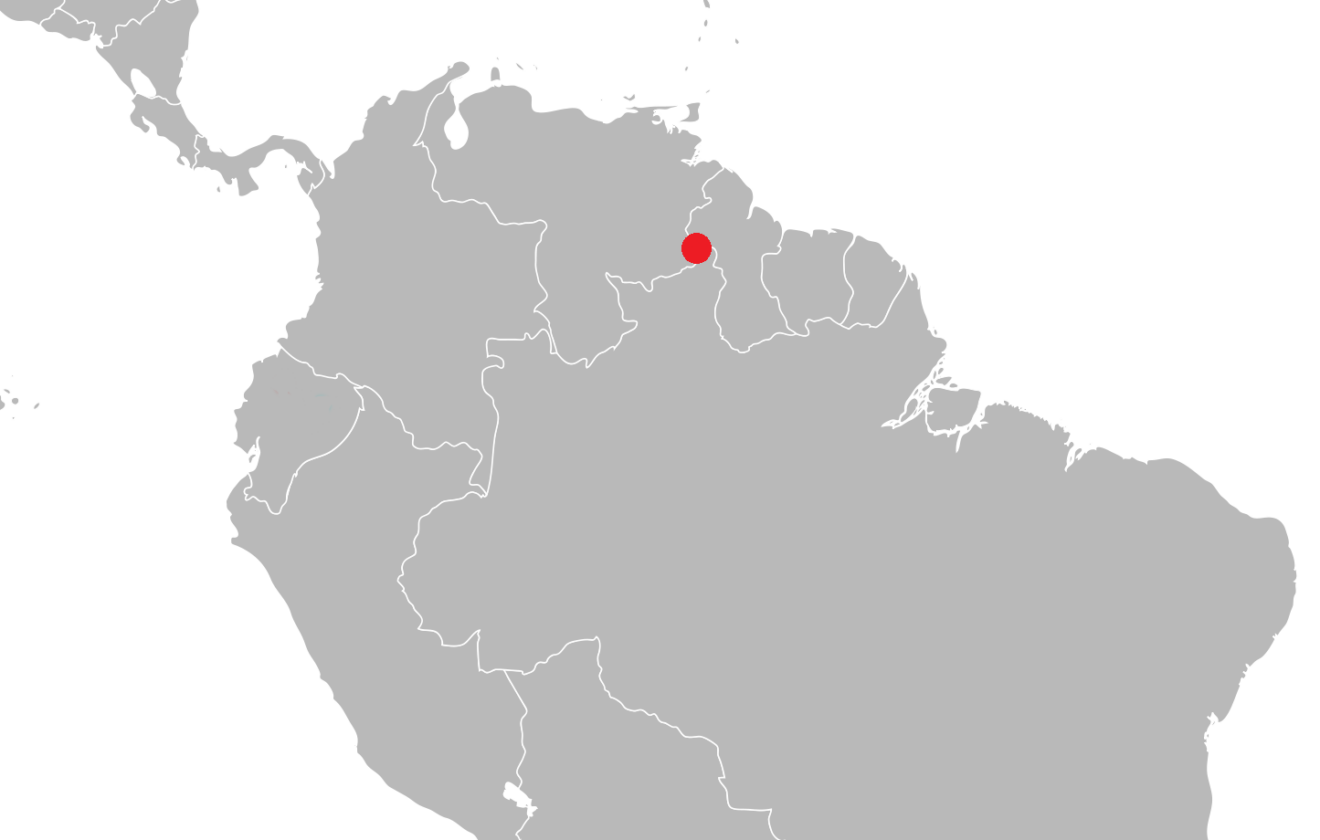
The natural range of Oreophrynella macconnelli is circumscribed strictly to the rocky summits and plateaus of the Guiana Shield’s famed tepuis, notably Mount Roraima and adjacent table mountains. These formations, unique to this region, rise dramatically out of lush rainforests, their sheer vertical walls isolating the plateau ecosystems above them. The climate up here is markedly cooler and wetter than the tropical forests below, shrouded in clouds and mist nearly year-round—the very definition of a moist montane cloud habitat.
Here, amidst rocky outcrops, low vegetation patches, moss-covered boulders, and ephemeral pools, these frogs find a unique niche untouched by competition from lower elevations. The harsh climatic conditions and isolation have significantly influenced this amphibian’s biological and ecological adaptations, creating a delicate dependence on a fragile ecosystem shaped by finely tuned environmental conditions in moisture, temperature, and native vegetation.
Physical Characteristics: Perfect Adaptation to Rugged Terrain#
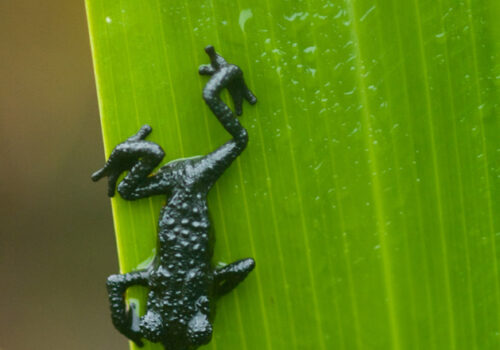
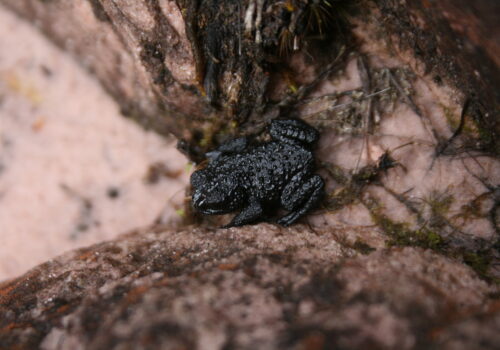
Evolved to navigate the precarious terrain of exposed rocky tepui outcrops, Oreophrynella macconnelli exhibits a suite of impressive and peculiar physical adaptations. Adults of this species are relatively small, typically measuring around 1.5 to 2 centimeters. Their diminutive size, coupled with a flattened body and short, muscular limbs, equips them beautifully for maneuvering efficiently through crevices and vertical inclines.
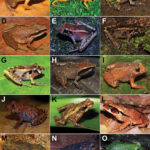
Coloration varies subtly but remains consistently cryptic—even drab—hues of dark gray, black, brown, or muted greenish shades. This understated palette enhances camouflage among lichens and mosses that adorn their rocky habitat, providing exceptional protective coloration. The frogs’ skin texture features distinctive wrinkles and wart-like bumps, further reinforcing their appearance as harmless bits of rock, disguise key to their survival in an ecosystem with limited hiding options.
Perhaps the most awe-inspiring adaptation is their anti-predatory defense mechanism. When threatened or approached by predators—birds, snakes, and even small mammals—Oreophrynella frogs resort to their notorious “tumbling behavior,” instinctively folding in their legs and body and bounding rapidly downhill by rolling or bouncing. Impressively resilient, they can roll safely from significant heights, seemingly unharmed, as their specialized body shape distributes the impacts. It’s an astonishing adaptation rarely seen in the animal kingdom, suited specifically to the vertical, unforgiving terrain of tepui summits.
Behavior and Life Cycle: Thriving Against the Odds#
Foraging and Dietary Habits#
Oreophrynella macconnelli is primarily insectivorous, feeding on a diet rich in small arthropods such as ants, beetles, mites, spiders, and springtails. It relies heavily on visual cues, promptly striking prey with swift, targeted movements—a testament to evolved precision necessary for securing nourishment in such nutrient-limiting specialized habitats.
Reproduction and Development#
The reproductive behavior of this species aligns closely with the rainfall patterns characterizing their high-altitude ecosystem. Mating typically occurs during the wetter months, when temporary water pools form on tepui surfaces. Males advertise their readiness to breed through soft yet remarkably resonant croaking calls that carry across the moist, mist-shrouded plateau. Females respond by selecting mates and subsequently laying small clusters of eggs attached securely to rocky surfaces or within mossy crevices.
Interestingly, Oreophrynella frogs exhibit direct development; eggs hatch directly into small, fully formed froglets rather than passing through a free-swimming tadpole stage. This reproductive strategy serves as an advantageous adaptation for survival amidst the ephemeral water availability of tepuis, allowing young frogs to bypass dependence on long-lasting water bodies which simply do not exist in their habitat.
Ecological Role: Indicators of Ecosystem Health#
The high specialization and narrow habitat preferences of Oreophrynella macconnelli position it as a critical ecological indicator. Their presence and population health reflect the tepui ecosystem’s overall ecological integrity, making them particularly valuable to scientists studying these rare habitats’ environmental stability and resilience.
Additionally, as predators of insects, these frogs play significant roles in regulating arthropod populations, indirectly influencing plant communities through controls on herbivory and nutrient cycling. Equally essential are their roles as prey animals, providing sustenance to larger tepui predators and thus contributing fundamentally to the ecological balance of this isolated system.
Threats and Conservation Status#
Despite the apparent remoteness and isolation of their habitats, Oreophrynella frogs, including O. macconnelli, face pressing conservation concerns. The International Union for Conservation of Nature (IUCN) lists this species as Vulnerable. Its highly specialized habitat makes it inherently susceptible to environmental changes like climate shifts, habitat degradation by tourism, or invasive plant introductions.
Climate change poses particularly acute threats. Changes in rainfall patterns, temperature shifts, and cloud cover reductions threaten these highly moisture-dependent frogs directly by altering their reproductive cycles, reducing habitat viability, and increasing susceptibility to pathogens and non-native species. Conservation initiatives emphasize habitat preservation, monitoring, and scientific research to safeguard these irreplaceable amphibian communities.
Cultural and Scientific Significance#
Culturally, tepuis and their unique wildlife have captured public imagination, symbolizing untouched wilderness and timeless wonder. Scientifically, Oreophrynella frogs like O. macconnelli provide valuable insights into adaptive evolution, ecological specialization, and conservation biology. They remind us of the incredible life forms evolving within seemingly impossible worlds, challenging and enriching our understanding of biodiversity evolution.
Conclusion: Preserving a Precious Relic of Evolution#
As we peer into the mist-laden mountaintops of Guiana Shield tepuis, the humble McConnell’s Pebble Toad compellingly illustrates the preciousness—and fragility—of evolutionarily specialized life. Together, we hold responsibility for ensuring that these frogs thrive rather than merely survive. Let us advocate passionately for conservation, responsible ecotourism, and global efforts toward climate mitigation, ensuring that generations to come can also marvel at nature’s marvelous adaptations.