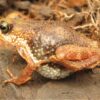
- Introduction: A Secretive Resident of the Andean Highlands
- Taxonomy and Classification: Locating Nannophryne apolobambica Within the Frog Family Tree
- Natural Habitat: Thriving Amidst the Cloudy Mountain Realms
- Physical Characteristics: Mastering the Art of Subtle Adaptation
- Behavior and Life Cycle: A Quiet Existence Among Mist and Moss
- Ecological Role: Guardians of Alpine Biodiversity
- Threats and Conservation Status: Protecting an Alpine Jewel
- Cultural and Scientific Significance: Celebrating Nature’s Subtle Wonders
- Conclusion: Preserving the Delicate Balance
Introduction: A Secretive Resident of the Andean Highlands#
High in the misty forests and alpine streams of the Andean mountains lurks one of nature’s enigmatic wonders—a frog whose quiet existence beautifully showcases the delicate balance of life at altitude. This frog, known by its scientific name as Nannophryne apolobambica, is one of those rare jewels seldom seen or studied thoroughly. While it may not boast the vivid colors that draw crowds to some tropical tree frogs, this subtle amphibian weaves an equally compelling narrative of ecological harmony, evolutionary adaptation, and conservation urgency.
Little known even among amphibian enthusiasts, Nannophryne apolobambica embodies everything captivating about biodiversity: uniqueness, specialization, and vulnerability. Yet beyond its ecological intrigue, its existence further emphasizes the critical importance of conservation efforts in one of Earth’s most rapidly changing environments—the high-altitude ecosystems of the Andes.
Taxonomy and Classification: Locating Nannophryne apolobambica Within the Frog Family Tree#
Nannophryne apolobambica belongs to the family Bufonidae, commonly known as the true toads. Within this diverse amphibian family, the genus Nannophryne itself is particularly distinct. Originally classified within the genus Bufo, ongoing taxonomic revisions have reshaped what we once knew about this unique group. Currently, Nannophryne comprises small-sized toads known primarily from Andean regions, adapted uniquely to colder climates and higher elevations.
Exploring closer evolutionary relationships, N. apolobambica shows significant morphological and genetic differentiation from related species like Nannophryne variegata and Nannophryne cophotis. Scientific studies have yet to fully unravel all details of these genetic distinctions, highlighting how much remains to be understood about the ecological and evolutionary dynamics behind Andean biodiversity.
Natural Habitat: Thriving Amidst the Cloudy Mountain Realms#
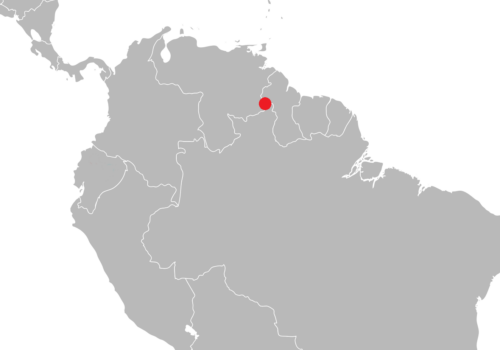
The extraordinary environment inhabited by Nannophryne apolobambica evokes an almost mystical sense of isolation. This species is endemic specifically to the Apolobamba Mountains, a secluded segment of the Bolivian Andes, straddling delicate ecological zones characterized by wet grasslands, mist-draped cloud forests, and pristine mountain streams flowing quietly through verdant valleys.
Typically associated with elevations ranging between 3,500 and 4,500 meters above sea level, these frogs occupy some of the highest-altitude habitats known among amphibians globally. Such elevations present numerous challenges: thin oxygen levels, frigid nighttime temperatures, and intense UV exposure. Yet, through thousands of years of selective pressures, N. apolobambica has mastered survival in this specialized niche, underscoring its astonishing evolutionary journey.
An Environment Tailored to Survival#
The Apolobamba Mountains offer unique microhabitats immensely suitable for this diminutive amphibian. Slow-moving alpine streams and shallow pools, bordered tightly by damp moss-covered rocks and specialized high-altitude vegetation, furnish essential breeding and foraging territories. These habitats not only sustain the frog itself but also play vital roles as nurseries for their developing tadpoles.
A curious observer might notice peculiar behaviors as these frogs cling effortlessly to mossy rocks or quietly shelter under the dense carpets of cushion plants, their daily rhythms completely adapted to cold, thin air and fluctuating mountain climates. Such adaptations intrigue biologists and conservationists alike and amplify the need to protect these often-unnoticed ecosystems.
Physical Characteristics: Mastering the Art of Subtle Adaptation#
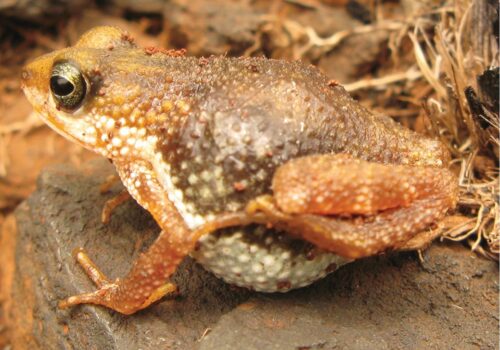
At first glance, one might overlook Nannophryne apolobambica, mistaking it for just another pebble along a stream edge. Indeed, its cryptic appearance serves the essential evolutionary purpose of concealment. Adults of this species rarely surpass 40 millimeters (1.6 inches) in length, a diminutive frame that proves advantageous in their harsh alpine homes.
Their coloration mirrors the subtle hues of their rocky habitat with astonishing accuracy. Shades of muted brown, rust-orange, gray, and earthy greens cover their skin, often interspersed with subtle darker mottling. A rough, bumpy texture further enhances their camouflage, mimicking the granular surfaces of surrounding mosses and lichens that dominate their habitat.
On closer inspection, remarkable adaptations become clear: thick, rugged skin offers protection against temperature extremes and dehydration, while compact, robust limbs help navigate slippery, rocky terrain. Even the frog’s diminutive stature offers thermoregulatory benefits, enabling efficient heat conservation in cold mountain conditions where larger amphibians would struggle to survive.
Behavior and Life Cycle: A Quiet Existence Among Mist and Moss#
The elusive nature of Nannophryne apolobambica adds an air of mystery to its daily habits. Unlike their lowland relatives known for vocal evening choruses, these high-altitude toads communicate discreetly, their soft calls nearly indiscernible against the whispering wind and rustling vegetation endemic to their habitat. Gentle trills and pulses of sound provide just enough auditory cues for mates without alerting potential predators.
Feeding Habits and Predation Techniques#
Opportunists by necessity, these frogs have evolved a diet consisting primarily of invertebrates resilient enough to thrive in alpine conditions. Tiny beetles, high-altitude springtails, insect larvae, and other small arthropods make up their regular meals. With swift yet subtle precision, they utilize quick jumps and accurate tongue strikes, ensuring sustenance despite low insect availability and harsh conditions.
Breeding and Life Stages#
Typically synchronized with seasonal rains, breeding events bring subtle flurries of activity. Females deposit small clusters of eggs in secluded, shallow pools or slow-moving streams nestled among rocks and lush moss. Tadpoles emerging from these eggs show impressive resilience, completing their transformation into air-breathing juveniles within rapidly changing mountain conditions. Still vulnerable to cold snaps or predators, successful reproduction reflects highly specialized evolutionary strategies for thriving under extreme circumstances.
Ecological Role: Guardians of Alpine Biodiversity#
Though modest in size and largely inconspicuous, Nannophryne apolobambica plays a significant ecological role in its Andean home. Amphibians widely serve as crucial bioindicators, their sensitivity to environmental changes offering early warnings about habitat health. As predators, these frogs regulate invertebrate populations, acting as integral components of nutrient cycling and ecosystem productivity. Simultaneously, their status as prey supports various high-altitude birds, reptiles, and mammals, thus placing them centrally within the intricate food web networks characteristic of healthy ecosystems.
Threats and Conservation Status: Protecting an Alpine Jewel#
Due to its restricted distribution, specialized habitat needs, and mounting environmental pressures, Nannophryne apolobambica occupies a vulnerable conservation position. Although comprehensive population studies remain limited, biologists express significant concern that rapid habitat destruction, climate change-induced weather extremes, pollution, and land-use pressures like agriculture and mining pose tangible threats to the long-term survival of this elusive frog.
Currently listed as Data Deficient by the International Union for Conservation of Nature (IUCN), conservationists seek urgently needed research to fully understand population size, trends, and threat impact—vital information needed to formulate effective conservation strategies.
Cultural and Scientific Significance: Celebrating Nature’s Subtle Wonders#
While often overlooked due to its cryptic demeanor, Nannophryne apolobambica represents essential biological and cultural symbolism—embodying adaptability, survival, and biodiversity’s intrinsic value. Local Andean communities deeply understand the interconnection between healthy alpine ecosystems and their own cultural heritage and livelihoods. Protecting species like this frog safeguards not only biological richness but supports cultural preservation, tourism sustainability, and ecosystem services critical to continued human well-being.
Conclusion: Preserving the Delicate Balance#
Nannophryne apolobambica symbolizes magic quietly secreted within Earth’s obscure corners. By highlighting its captivating survival story, we recognize our responsibility to understand, respect, and conserve such natural wonders. Protecting these frogs and their unique habitats is essential to preserving the ecological integrity of our planet. Let’s commit to learning, advocating, and actively supporting conservation actions for the innumerable quiet, remarkable lives thriving among flowing streams and mossy stones—we owe them nothing less.