- Exploring the Enigmatic Beauty of Melanophryniscus paraguayensis: Paraguay's Little-Known Jewel
- Taxonomy and Classification
- Natural Habitat: Paraguay's Subtle Sanctuaries
- Physical Characteristics: Adaptations in Detail
- Behavior and Life Cycle: Nature's Delicate Dance
- Ecological Role: The Small But Mighty Indicator Species
- Threats and Conservation Status
- Cultural and Scientific Significance
- Conclusion: Protecting an Amphibian Treasure
Exploring the Enigmatic Beauty of Melanophryniscus paraguayensis: Paraguay’s Little-Known Jewel#
Hidden among the lush grasslands and wetlands of Paraguay exists a fascinating, diminutive creature known by its scientific name Melanophryniscus paraguayensis. Amidst the quiet chorus of nature’s nocturnal orchestra, this small yet strikingly colored toad announces its subtle presence—an understated gem within the rich tapestry of South America’s biodiversity. Though it rarely captures widespread attention, Melanophryniscus paraguayensis plays an essential role in its delicate ecosystem, embodying the resilience, beauty, and intricate balance that define amphibian life.
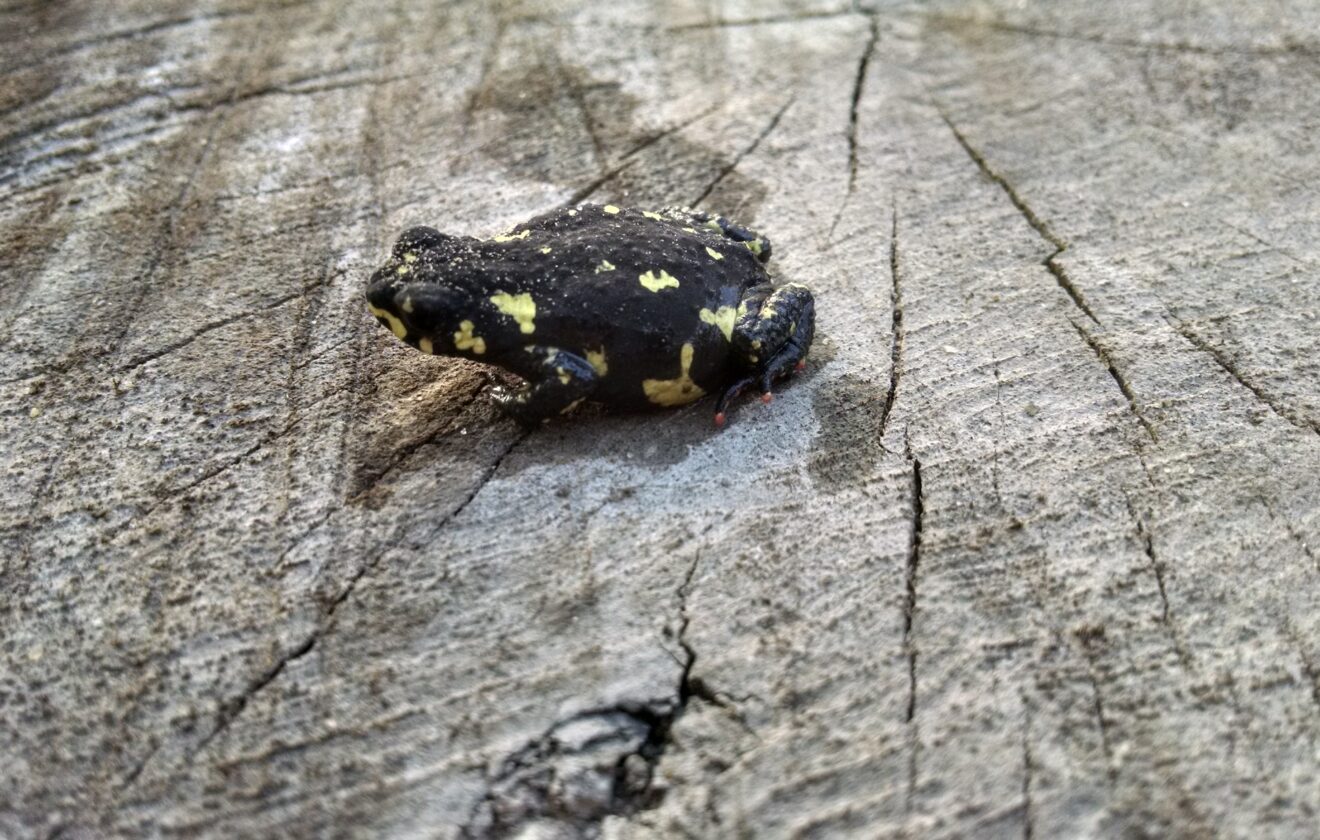
Its vibrant coloration, a mesmerizing mix of deep blacks, fiery reds, and intense yellows, serves as both a warning and a wonder. Unlike others in its family, this diminutive toad possesses potent toxins, protecting it against predators and placing it firmly at the center of ecological tales and local narratives. Yet, despite its fascinating biology and critical environmental role, Melanophryniscus paraguayensis remains relatively understudied and unknown outside herpetology circles, a situation that deserves remedy.
Let us take a detailed journey into the heart of this compelling species—its life cycles, behaviors, ecological importance, and threats—and awaken an appreciation for this small frog that holds tremendous meaning and environmental importance within the unique habitats of South America.
Taxonomy and Classification#
Melanophryniscus paraguayensis belongs to the diverse amphibian family Bufonidae, more commonly known as true toads, within the widespread order Anura. Although closely related to larger, more commonly encountered toads, this genus, Melanophryniscus, is characterized by a compact build, vibrant coloration, and the presence of toxic alkaloids on their skin.
The genus Melanophryniscus, itself within the Bufonidae family, comprises counterintuitive members vastly different from what the casual observer might expect from typical toads. Species in this fascinating group, often referred to as South American redbelly toads due to vibrant ventral coloration, exemplify nature’s variation, serving as striking outliers against stereotyped “toady” appearances.
Close Relatives and Unique Features#
Melanophryniscus paraguayensis shares close evolutionary ties with other species within Melanophryniscus such as Melanophryniscus stelzneri and Melanophryniscus atroluteus. These closely related species collectively highlight the genus’ remarkable dispersal and speciation, each occupying unique niches across southern subtropical ecosystems. However, the distinct range and unique color patterns aid researchers in distinguishing Melanophryniscus paraguayensis as a separate, storied species.
Natural Habitat: Paraguay’s Subtle Sanctuaries#
To truly appreciate Melanophryniscus paraguayensis, one must explore its native habitat—the marshes, grasslands, and subtropical wetlands predominantly within Paraguay’s border regions. Often found in unique grassland-savanna ecosystems sprinkled with isolated freshwater pools, they inhabit areas subject to seasonal flooding during heavy rains.
The landscape supporting these toads is both complex and fragile. Vast, broad-stretching grasslands meet gentle slopes riddled with shallow depressions, where temporary pools emerge seasonally. These ephemeral puddles become vibrant micro-worlds of ecological interaction, providing breeding grounds and nurturing life. Warm temperatures, seasonal rainfall patterns, and soft, muddy substrate create ideal conditions for eggs and tadpole development, ensuring the continuation of this species’ delicate life cycle.
A Habitat in Flux#
Melanophryniscus paraguayensis is a testament to adaptability but remains highly sensitive to environmental shifts. Its existence depends intimately upon precise timing—rainfall patterns, temperatures, and habitat preservation all must align precisely. Even subtle disruptions become magnified dangers for these delicate amphibians, serving as important ecological reference points for the overall health of their habitat.
Physical Characteristics: Adaptations in Detail#
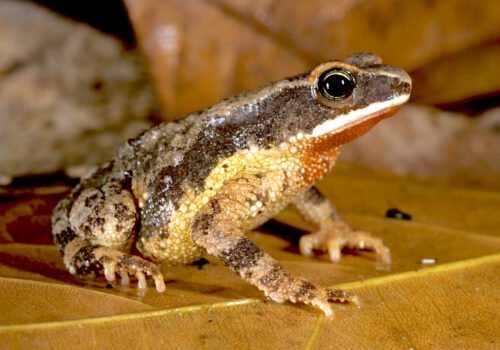
When encountering Melanophryniscus paraguayensis, perhaps nowhere is biodiversity more strikingly displayed than in their distinctive physical appearance. Adults are relatively small, rarely exceeding 2 cm in body length. Despite their tiny size, however, these amphibians convey immense biological charm through vibrant warning coloration manifested in dramatic hues of reds, yellows, oranges, and rich black dorsal patches. These vividly colored adaptations, known as aposematism, serve as powerful deterrents to would-be predators.
Remarkable Defensive Traits#
This striking coloration is complemented by potent toxins secreted through specialized skin glands. Containing alkaloids that deter predators effectively, Melanophryniscus paraguayensis sends a clear, vivid message to potential threats—”Beware, danger lurks within.” Interestingly, the precise strength and composition of toxins can vary based on environmental factors, diet, and habitat, making each population’s defenses uniquely adapted to their specific local ecology.
Behavior and Life Cycle: Nature’s Delicate Dance#
Despite their potent poisons, Melanophryniscus paraguayensis leads unexpectedly gentle lives, driven largely by seasonal rhythms. They feed primarily on small invertebrates, their elongated tongues rapidly flicking outwards to capture prey. Such diets, which frequently include toxin-bearing insects like ants, contribute significantly to their chemical defenses.
Breeding and Tadpole Development#
As rains arrive and temporary pools form, male Melanophryniscus paraguayensis begin calling—a series of soft, repetitive chirps—to attract mates. These nocturnal choruses resonate gently through the evening air, blending harmoniously into nature’s symphonic tapestry. Females lay their eggs in temporary pools, carefully choosing spots sheltered by vegetation to enhance survival odds for emerging tadpoles.
After hatching, tadpole development swiftly progresses within these impermanent pools, where survival hinges upon rapid growth. Tadpoles graze primarily on algae, algae-like organisms, and tiny aquatic invertebrates. In mere weeks, they undergo remarkable transformations, morphing from aquatic larvae into terrestrial juveniles, sharing their parents’ vibrant colors and markings—nature’s artistry embodied in biology.
Ecological Role: The Small But Mighty Indicator Species#
Melanophryniscus paraguayensis occupies a critical ecological niche within Paraguayan wetlands. This colorful amphibian manages insect populations, helping prevent unchecked growth of pest species. Simultaneously, it serves as a fundamental prey species for certain adapted predators capable of safely tolerating their skin toxins—thus entirely interwoven within ecological food webs.
Perhaps most importantly, this species functions as an ecological barometer. Amphibians, sensitive to environmental degradation and pollution, serve widely recognized roles as biological indicators—early alarm systems for changes within habitats. A thriving population of Melanophryniscus paraguayensis heralds ecological health, while declining populations quickly raise alarms.
Threats and Conservation Status#
Regrettably, like many amphibians, Melanophryniscus paraguayensis faces mounting pressures from habitat loss, agricultural activities, reduced water availability, and changing climate patterns. While the species is currently listed by the IUCN Red List as Data Deficient, meaning adequate data is lacking to determine accurate conservation status, habitat destruction poses a clear, undeniable threat.
Efforts for Preservation#
Currently, conservation strategies are limited, reflecting the continued need for widespread habitat protection, research, and conservation awareness within Paraguay. Stronger protections for grassland-savanna ecosystems, wetlands, and careful stewardship of freshwater resources are urgently needed to secure the long-term survival of this vulnerable amphibian.
Cultural and Scientific Significance#
Though rarely at the forefront of human cultural stories, Melanophryniscus paraguayensis locally symbolizes resilience. Scientific interest remains high, particularly due to their intriguing toxin production. Researchers increasingly study the biochemical secretions produced by these colorful amphibians, hoping to unlock medical and ecological secrets hidden within their miniature frames.
Conclusion: Protecting an Amphibian Treasure#
Much more than a brightly colored toad hiding amid wetlands grasslands, Melanophryniscus paraguayensis serves as a sentient indicator of Paraguay’s ecological health. Their story demands attention, encouraging greater awareness, research, and proactive conservation.
As ecosystems worldwide struggle beneath anthropogenic pressures, investing energy and efforts into safeguarding inconspicuous yet tremendously pivotal species like Melanophryniscus paraguayensis promises rewarding returns for biodiversity and ecological balance.
Let us cherish and champion these remarkable amphibians and preserve Paraguay’s quiet epitomes of natural wonder—before their subtle songs are silenced permanently.