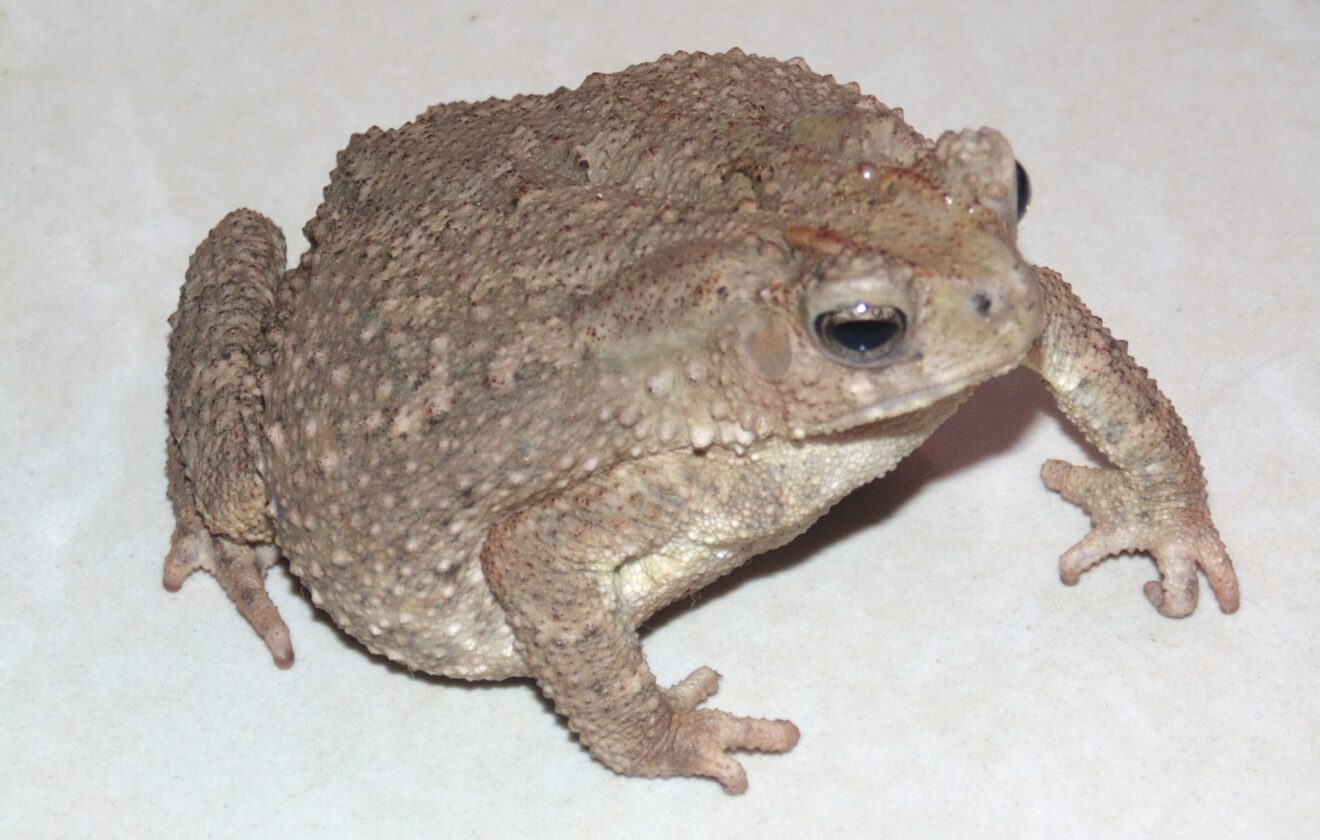
- Ingerophrynus philippinicus: Exploring the Life of the Philippine Toad
- Taxonomy and Classification
- Natural Habitat and Distribution
- Distinctive Physical Characteristics
- Behavior and Life Cycle
- Ecological Significance: A Vital Role in the Ecosystem
- Threats, Status, and Conservation Efforts
- Cultural and Scientific Significance
- Conclusion: Preserving the Philippine Toad for Future Generations
Ingerophrynus philippinicus: Exploring the Life of the Philippine Toad#
Deep within the lush rainforests and damp lowlands scattered across the Philippine archipelago, a unique amphibian thrives quietly amid the dense foliage and dappled shadows. This intriguing creature, scarcely noticed by casual observers yet vital to its ecosystem’s health and balance, is the Philippine Toad, scientifically known as Ingerophrynus philippinicus. Often overlooked in favor of more flamboyant creatures, this modest toad encapsulates essential stories of biodiversity, adaptation, and conservation on these islands. Not only does it serve as an important biological indicator, but its resilience and versatility also lead to fascinating discoveries about how wildlife adapts and survives amidst environmental pressures.
Picture, for a moment, walking silently along the moist trails through tropical forests, the air heavy with humidity and the distant chorus of exotic birds, insects, and amphibians blending harmoniously in the background. Suddenly, a slight rustling beneath fallen leaves catches your eye. Carefully lifting a leaf reveals a small, stout figure with intricate markings, eyes glistening subtly in dim sunlight — your first encounter with the remarkable Philippine Toad.
Taxonomy and Classification#
In the broader landscape of amphibian classification, Ingerophrynus philippinicus finds its place within the extensive Bufonidae family—a diverse range of toad species widely distributed globally. More specifically, it belongs to the genus Ingerophrynus, a classification named to honor esteemed herpetologist Robert F. Inger. Toads belonging to this genus typically share characteristics like granular skin textures and parotoid glands that secrete toxins—a defense mechanism highly valuable in their predator-rich ecosystems.
Though closely related to other Southeast Asian species such as Ingerophrynus biporcatus or the common Sunda toad, Ingerophrynus philippinicus possesses unique morphological and behavioral adaptations specifically suited to the distinct microhabitats found on its native islands. Understanding this toad’s taxonomy provides essential context, helping us further appreciate its evolutionary relationships and survive strategies amidst an ever-evolving biochemical arms race with predators.
Natural Habitat and Distribution#
Geographic Range: A Proud Philippine Native#
As its name implies, the Philippine Toad proudly inhabits areas within the Philippine archipelago, primarily on larger islands like Luzon, Mindoro, Panay, Negros, and Mindanao. While sometimes found in secondary growth forests, plantations, and even suburban gardens within rural areas, this remarkable species tends to prefer moist environments near freshwater bodies such as streams, seeps, marshes, or temporary rain pools formed during seasonal torrential rains.
Habitat Preferences: Thriving in Moisture and Leaf Litter#
Burrowed beneath thick layers of decomposing leaves and soil or concealed within low-growing vegetation, the Philippine Toad prefers shaded areas filled with organic material and moisture. This specific habitat preference not only provides camouflage against predators but also ensures the optimal thermal and moisture balance that amphibians require to prevent dehydration and regulate their thin, sensitive skins.
Imagine a shaded, rain-soaked forest floor, perpetually humid and fragrantly rich with decaying leaves and woody debris. Here, tucked unobtrusively beneath a layer of humus, the Philippine Toad enjoys a microcosm teeming with insects, worms, spiders, and other small invertebrates crucial to its survival.
Distinctive Physical Characteristics#
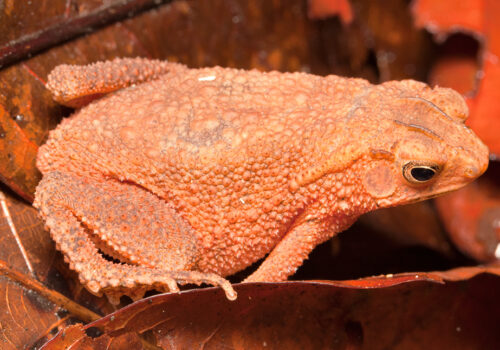
The Philippine Toad may not captivate observers with vivid coloration like certain tropical frogs—or possess captivating eyes as treefrogs occasionally do—but it nonetheless showcases extraordinary evolutionary adaptations. Measuring around 40 to 60 millimeters in length, the Philippine Toad’s stout and rounded body appears perfectly adapted for a life hidden amongst leaf litter and soil dwellings.
The toad’s skin is characterized by heavily ridged, textured, and wart-like glands and granules varying from shades grayish-brown, olive, to reddish-brown—color patterns perfectly blending with the surrounding environment. The parotoid glands behind its eyes release pungent toxins and help to safeguard the species against a wide array of predators such as snakes, large mammals, and predatory birds.
The toad’s short limbs reflect an evolutionary balance—powerful enough to quickly capture prey and agile enough to swiftly burrow or sneak through tangled undergrowth. Its subtly colored patterns, intricate yet understated, integrate seamlessly with the forest floor, underscoring nature’s capacity for effective camouflage adaptations.
Behavior and Life Cycle#
Diet and Hunting Strategies#
Sifting quietly through leaf litter or ambush hunting from piles of decomposing vegetation, the Philippine Toad is an opportunistic feeder preying upon various insects and small creatures prevalent in its habitat. Ants, beetles, spiders, earthworms, crickets, and even occasionally smaller amphibians become essential sources of sustenance. Primarily nocturnal hunters, these toads rely on stealth, patience, and rapid reflexes that allow their powerful, sticky tongues to swiftly catch prey almost instantaneously.
Reproduction and Breeding Behavior#
As wet seasons arrive, with rainfall rejuvenating thirsty streams, ponds, and temporary pools of water, mating activity surges. Male Philippine Toads converge around these freshwater havens, emitting distinctive mating calls—subtle but distinct trills and croaks resonating through nighttime forests—to attract receptive females.
After fertilization, female toads lay long strings of their gelatinous, blackish eggs in shallow and ephemeral pools, pools strategically chosen for less competition and minimal predation threat. Tadpoles hatch within days, quickly developing over succeeding weeks, nourished by abundant algae, detritus, and microorganisms in their aquatic nurseries. With time, metamorphosis transforms these vulnerable tadpoles into fully terrestrial juvenile toads, embarking on their independent lives within the intricate forestbiosphere. Witnessing this life cycle offers profound insights into nature’s delicate balance and ecosystem interconnectedness.
Ecological Significance: A Vital Role in the Ecosystem#
As both predator and prey, the Philippine Toad forms an integral part of its environment’s ecological food webs. Feeding predominantly on insects, they help regulate populations of potential pests, thus indirectly safeguarding healthy plant populations and agricultural growth. Simultaneously, survival pressure from predators keeps their populations naturally balanced, supporting biodiversity equilibrium within their unique habitats.
Given amphibians’ characteristic skin permeability providing sensitivity toward environmental changes and toxin accumulation, the Philippine Toad serves crucially as an indicator species. Monitoring its population and general health can provide conservationists early warning signs and essential data about environmental shifts, pollution levels, and overall ecosystem stability.
Threats, Status, and Conservation Efforts#
Despite its resilience and adaptability, the Philippine Toad faces significant threats due to human-induced habitat destruction, pollution from agricultural pesticides, urban encroachment, and intensified climate change effects, altering vital rainfall patterns for their breeding and living habits. As of today, Ingerophrynus philippinicus holds status as Least Concern by the International Union for Conservation of Nature (IUCN). Yet, complacency is not warranted, given rapidly deteriorating conditions around their natural ecosystems.
Local conservation strategies, including habitat preservation efforts, education-based local initiatives, pollution control campaigns, and research-based monitoring programs, offer substantial potential for enhancing long-term population stability and ecosystem health—a collective responsibility for future conservation agendas.
Cultural and Scientific Significance#
The Philippine Toad, like numerous amphibian species worldwide, plays a subtle yet important role in local lore and mythology among island communities, often symbolizing resilience and adaptability amidst complex environments. From a scientific standpoint, the species continues unveiling biochemical and ecological secrets, including potential studies on their toxin compositions and natural coping strategies against pathogens such as the devastating amphibian chytrid fungus affecting global amphibian communities.
Conclusion: Preserving the Philippine Toad for Future Generations#
The modest but remarkable Philippine Toad reminds us of amphibians’ beauty, importance, and vulnerability, embodying delicate ecosystem balances often taken for granted. Protecting Ingerophrynus philippinicus equals protecting ecological integrity and maintaining biodiversity in one of Earth’s richest ecosystems—the Philippine islands. Appreciating, understanding, and safeguarding this humble dwelling amphibian is key to ensuring a harmonious co-existence for generations to come.