- Ingerophrynus celebensis: Discovering the Remarkable Celebes Toad of Sulawesi
Ingerophrynus celebensis: Discovering the Remarkable Celebes Toad of Sulawesi#
Hidden beneath the lush foliage of Indonesia’s Sulawesi Island, a world of quiet resilience and ecological wonder comes alive in the form of an unassuming yet remarkable amphibian—Ingerophrynus celebensis, commonly known as the Celebes toad. At first glance, this humble creature might not capture immediate attention like the vibrant tropical birds or the charismatic mammals sharing its habitat. But beneath its earthy hues and modest demeanor lies an incredible amphibious ambassador, vital to Sulawesi’s intricate ecosystems.
Intriguingly adapted to its unique environment, the Celebes toad exemplifies nature’s creativity and versatility. From its secretive behaviors within the rainforest leaf litter to its essential role in controlling insect populations, this toad quietly enriches the biodiversity of Sulawesi. Yet today, conservationists urge that we turn our attention toward this often-overlooked species, as it stands sentinel against environmental pressures facing Indonesia’s fragile rainforest ecosystems.
Taxonomy and Classification#
The Celebes toad, scientifically classified as Ingerophrynus celebensis, belongs to the family Bufonidae—commonly known as true toads. Within this expansive family, the genus Ingerophrynus encompasses a fascinating group of Asian toads known for personal adaptations to tropical climates and forest ecosystems.
Previously classified under the extensive genus Bufo, taxonomic revisions have since placed these unique amphibians into the more refined genus Ingerophrynus, recognizing distinctions in anatomical and genetic traits that set them apart from their other bufonid relatives. This taxonomic reshuffling highlights the evolutionary uniqueness of I. celebensis, placing it among other noteworthy Southeast Asian amphibians such as Ingerophrynus biporcatus and Ingerophrynus parvus.
Natural Habitat and Distribution#
Stretching from humid lowlands to montane forests, the Celebes toad makes its home exclusively on the rugged island of Sulawesi, Indonesia. Known for its extraordinary biodiversity and endemism, Sulawesi provides a fitting sanctuary, hosting a wide range of habitats ideal for amphibians like I. celebensis.
Beneath the Rainforest Canopy#
Stepping into Sulawesi’s lush forest is akin to entering a hidden cathedral of green, a moist environment filled with the hum of insects, distant calls of birds, and understory teeming with life. It is here, concealed within fallen leaves, beneath moss-covered stones, and amid the tangling roots of towering tropical trees, that the Celebes toad thrives.
They are primarily terrestrial toads, preferring moist, shaded microhabitats where humidity remains reliably high. Whether deep in well-forested areas or at the edge of cultivated land, these adaptable amphibians use leaf litter and forest debris as shelters, nature’s perfect refuge against predators and drying sun.
Such select habitats offer abundant insect prey, suitable breeding grounds, and protection from predators—a delicate balance that sustains the toad’s continued existence. Consequently, the presence or absence of I. celebensis can provide conservationists pivotal clues about the broader health of their shared forest environment.
Physical Characteristics and Adaptations#
The Celebes toad embodies quiet elegance in its physical design. Adults typically measure between 40 to 60 mm, a modest size that allows them to slip effortlessly through dense foliage or burrow subtly within the forest floor shroud.
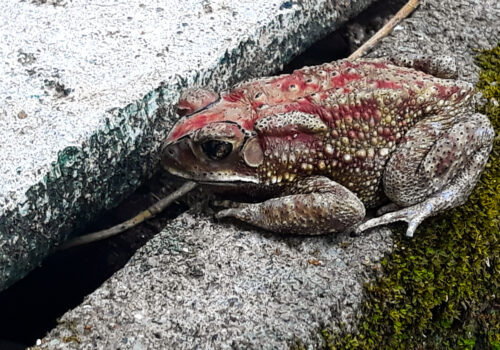
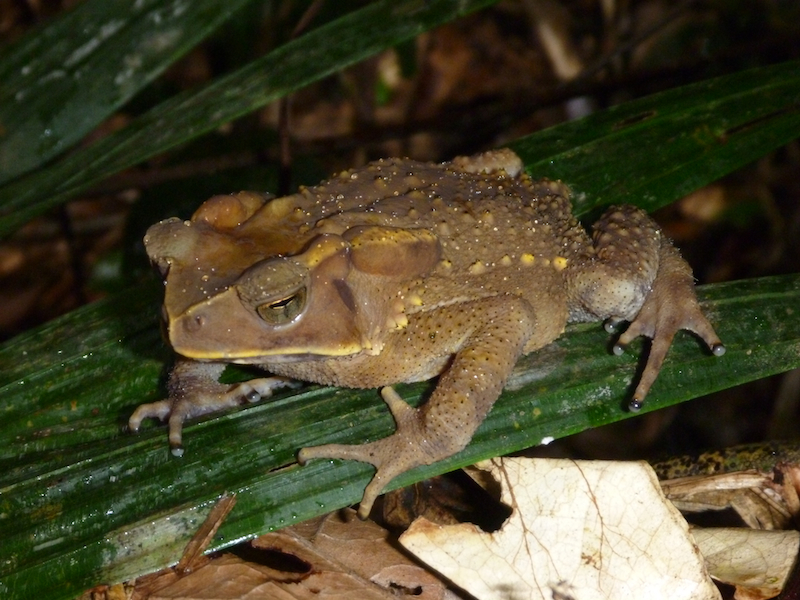
Their coloration—a calming array of browns, greys, and olive greens—serves as the toad’s most crucial adaptation. Beautifully camouflaged among the leaf litter and soil of their habitat, this subtle patterning shields them from predators, including birds, snakes, and larger amphibians. Despite their understated appearance, closer inspection reveals intricacies: rough skin adorned with wart-like glands secreting mild toxins, which act as an additional protective mechanism against predation.
Large, expressive eyes protrude slightly, providing enhanced night vision ideal for their lifestyle as twilight hunters. Their sticky, extendable tongues enable quick, effective captures of prey like ants, spiders, small beetles, and flying insects that inadvertently land within reach.
Behavior and Life Cycle#
Despite the Celebes toad’s discreet presence, glimpses into their behaviors yield intriguing insights into their adaptability and ecological significance. Like many amphibians, these toads are creatures of twilight and nocturnal hours, emerging as the forest darkens and humidity rises.
A Subdued Hunter in Twilight Shadows#
As daylight wanes into dusk, the rainforest stirs anew. Amid the damp forest floor, the Celebes toad quietly transitions from daytime concealment to a nightly hunt. Their diet, predominantly insectivorous, provides a critical ecological service by regulating insect populations. Patient yet precise ambush predators, these toads exhibit an extraordinary restraint, observing prey movements keenly before swiftly dispatching insect snacks with precision strikes of their sticky tongues.
Reproduction Secrets Unveiled by Seasonal Rains#
Reproduction in I. celebensis is intricately tied to Sulawesi’s tropical rainfall patterns. With the first onset of sustained rains, males move toward aquatic breeding sites, including shallow pools, streams, and temporary rainwater reservoirs. Their calls, rhythmic and resonating through the darkness, attract receptive females who lay long, gelatinous strings of eggs beneath the water’s surface.
Tadpoles emerge quickly, equipped to navigate murky waters and avoid aquatic predators. During their swift maturation, these tadpoles consume algae and detritus, thus filling yet another niche within the forest ecosystem. Soon after developing into tiny terrestrial toads, juveniles leave aquatic habitats to continue their growth amid leaf litter on the forest floor.
The Critical Ecological Role of the Celebes Toad#
Within its ecosystem, the Celebes toad emerges as both predator and prey. Their predatory roles help regulate insect populations, preventing potential pest outbreaks that could harm vegetation—a balance crucial to forest health and regeneration. Furthermore, as prey, individuals support numerous bird, reptile, and carnivorous mammal populations, becoming a conduit of energy exchange that maintains ecological stability.
Additionally, amphibians like I. celebensis are recognized as indicator species. Their skin’s permeability renders them acutely sensitive to environmental toxins, pollution, and even subtle climatic changes. Monitoring the health of these subtle amphibians can thus offer early warnings regarding ecosystem health and potential environmental threats on Sulawesi island.
Threats and Conservation Status#
Although currently listed as Least Concern on the IUCN Red List, conservationists continually urge vigilance toward the Celebes toad, emphasizing potential threats from expanding agriculture, deforestation, habitat fragmentation, and pollution. The alarming nationwide increases in forest clearing and land conversion on Sulawesi intensify these risks, causing concern for the long-term viability of the habitats these toads need.
Conservation groups are championing community-based educational programs, engaging residents in amphibian-friendly agricultural practices, and supporting stronger habitat protection measures. Efforts like habitat restoration and ecological awareness campaigns empower local communities, whose everyday choices alongside larger conservation initiatives hold crucial stakes for safeguarding the toad’s future.
Cultural and Scientific Significance#
While perhaps not as famously represented culturally as some other local species, the Celebes toad contributes meaningfully to ecological and biological research. Scientists study their responses to habitat degradation, providing vital clues that inform environmental policy and land-use planning. Additionally, the Celebes toad symbolizes the subtle wonder, beauty, and complex ecological interconnectedness inherent in Sulawesi’s ecosystems, a reminder of the natural wealth deserving preservation.
Conclusion: Appreciating the Subtle Wonders#
The Celebes toad, Ingerophrynus celebensis, illuminates how even the humblest species can profoundly impact their ecological community. By learning about, understanding, and protecting such modest amphibians, we expand our appreciation and stewardship of nature’s diversity. Let us celebrate and protect the Celebes toad—not only for its intrinsic value—but as an essential component of Sulawesi’s vibrant ecosystem and an indicator, reminding us that environmental care today ensures rich biodiversity flourishing for generations to come.