- Unveiling the Western Toad: Exploring the Fascinating World of <em>Incilius occidentalis</em>
- Taxonomy and Classification
- Natural Habitat: Life in the Sierra Madre
- Physical Characteristics: Subtle Beauty in Adaptation
- Behavior and Life Cycle: Rhythmic Rituals of Survival
- A Crucial Link in the Ecosystem Web
- Threats and Conservation Status
- Cultural and Scientific Significance
- Conclusion: An Appeal for Awareness and Action
Unveiling the Western Toad: Exploring the Fascinating World of Incilius occidentalis#
In the dim twilight of dusk, as the golden glow slips behind the rugged peaks of Mexico’s Sierra Madre Occidental, a quiet chorus emerges from the streams and forests below. Amidst leaves slick with dew and stones slicker still beneath running waters, the Western Toad, scientifically named Incilius occidentalis, prepares for its nocturnal adventures. Quietly charismatic yet often overlooked, this remarkable amphibian beckons us to explore and appreciate its subtle beauty and ecological importance.
The Western Toad’s story is not just about survival—it speaks volumes about biodiversity, adaptability, and the delicate balance of nature itself. Join us as we delve into the deep forests and shaded canyons of its habitat, uncovering the fascinating life and conservation story of Incilius occidentalis.
Taxonomy and Classification#
The Western Toad, Incilius occidentalis, belongs to the Bufonidae family—commonly referred to as “true toads.” Bufonids are a widespread group with over 600 species globally, renowned for their resilient lifestyles and unique ecological roles. Within this large family, the genus Incilius highlights a group of American toads predominantly adapted to life in subtropical and tropical regions across Central and North America.
Formerly categorized as part of the genus Bufo, recent molecular analyses have prompted a reassignment of numerous New World bufonids to the genus Incilius. Closely related species include the Cane Toad (Rhinella marina) and the Texas Toad (Anaxyrus speciosus). Yet, from subtle morphological distinctions to behaviors adapted meticulously to its niche, Incilius occidentalis remains distinctly documented by scientists and sought by nature enthusiasts.
Natural Habitat: Life in the Sierra Madre#
Among mountains veiled in mist and forests bathed by frequent rains, the Western Toad makes a modest life in the more discerning reaches of Mexico’s Sierra Madre Occidental. Found predominantly along the western-facing slopes in states such as Jalisco, Sonora, Sinaloa, Durango, and Nayarit, the species prefers elevations typically ranging between 100 meters and 1,600 meters above sea level.
Forest Floors and Rocky Streams: A Home Perfectly Suited#
At these elevations, their habitat boasts lush deciduous forests, tropical dry forests, and oak-pine woodlands interspersed with streams and rocky outcroppings. They savor an environment that presents moisture and cover—essential components for their survival—offering refuge from potential predators, desiccation, and harsh sunlight.
Stepping quietly through these humid forest floors, you catch glimpses of sturdy leaf litter providing ample shelter, fallen logs ripe with insect life, and shallow streams with gently tumbling waters. Here, concealed beneath vegetation and moss-coated stones, the Western Toad has mastered discretion—a delicate art critical for its continued existence.
Physical Characteristics: Subtle Beauty in Adaptation#
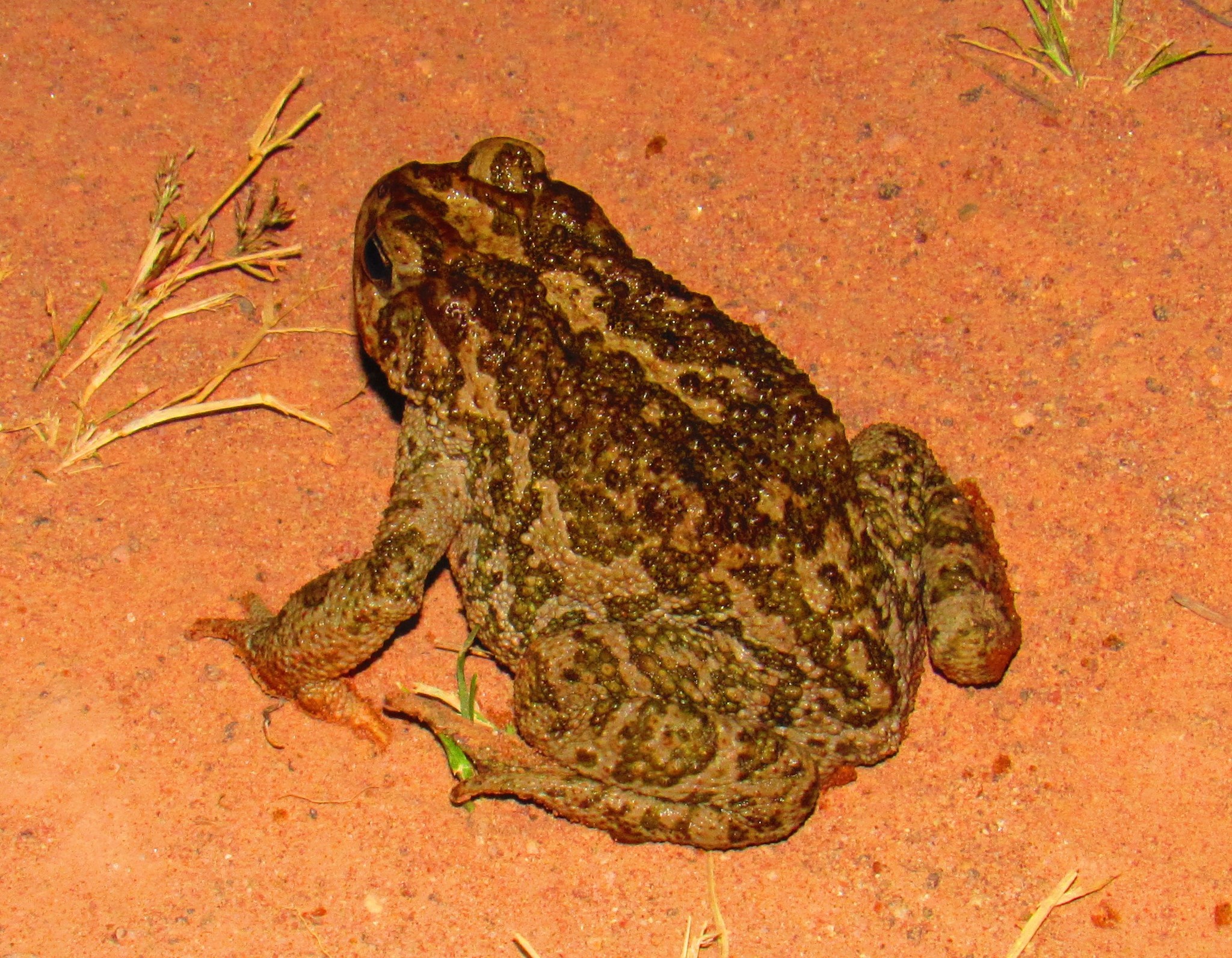
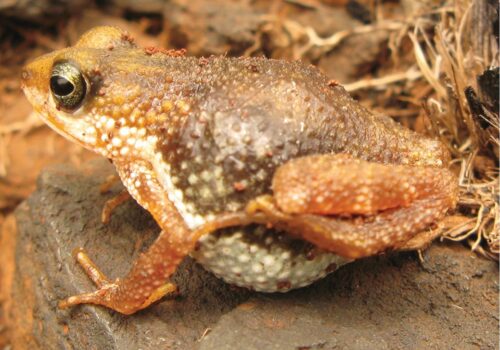
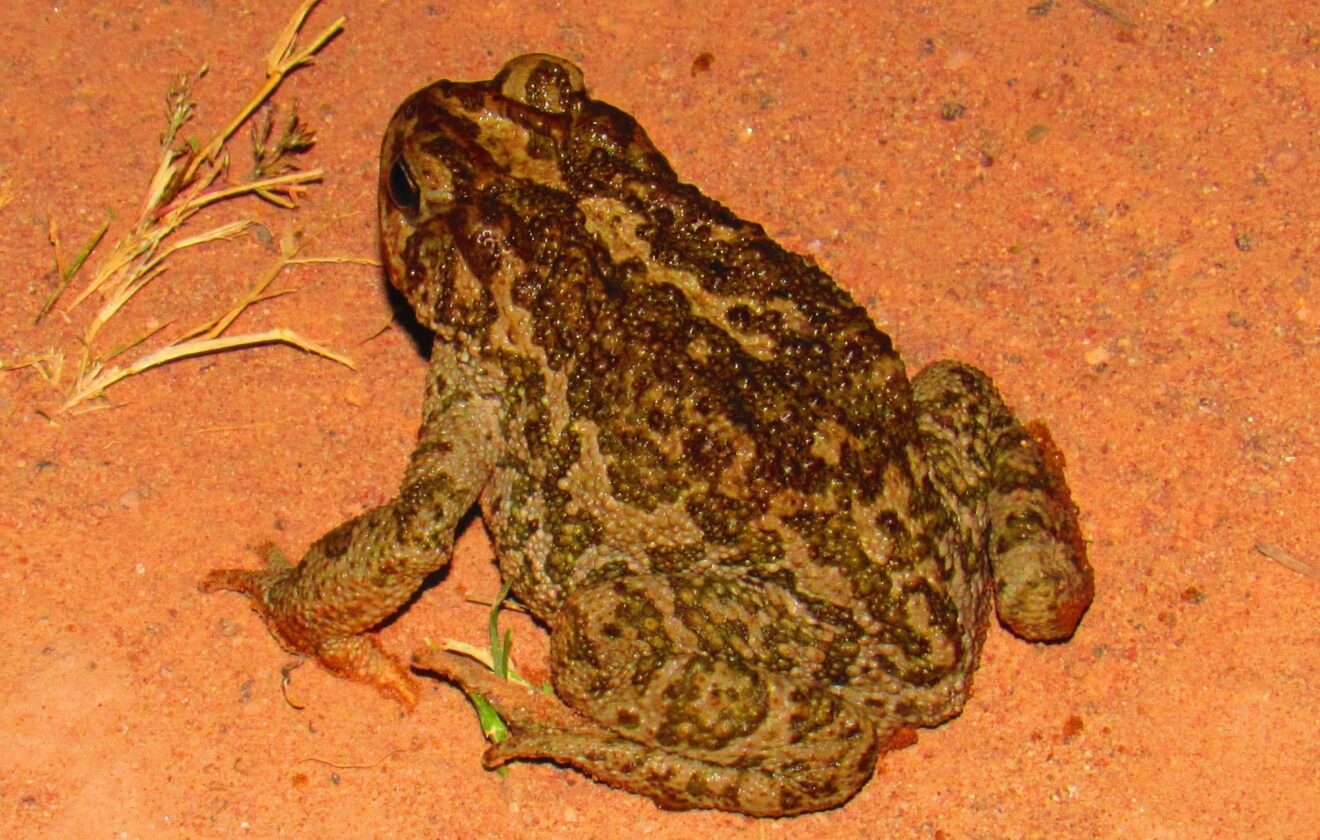
Incilius occidentalis is modest in appearance, typically measuring around 5 to 9 centimeters from snout to vent, depending on age and gender. Robust and well-adapted, they sport thick, warty skin—a hallmark feature of true toads—that aids in water retention and defense. This rough-textured skin is adorned in earthy shades, from olive greens and browns to subtle grays, offering remarkable camouflage against forest debris.
The toad exhibits a noticeable cranial crest, often elegantly defined above its eyes, contributing to its enigmatic charm. Beneath its calm appearance lies a powerful evolutionary adaptation—prominent parotoid glands located just behind each eye. These glands secrete a milky toxin as an effective anti-predatory defense. Harmless to humans upon casual handling (though washing hands afterward is advisable), this toxin deters predators such as birds, reptiles, and small mammalian carnivores.
Behavior and Life Cycle: Rhythmic Rituals of Survival#
Secretive Hunters of the Night#
When darkness descends upon the Sierra Madre Occidental, Incilius occidentalis stirs into action. Nocturnal by nature, it sets forth in search of its favored prey—beetles, ants, spiders, and various flying insects lured close by humidity and vegetation. Its hunting is patient and methodical, waiting motionlessly until a potential meal ventures too close, before swiftly deploying its sticky tongue to secure its catch.
Mating Season: A Musical Affair#
The breeding season—typically coinciding with the onset of seasonal rains—paints a vivid display of amphibian nature. Male toads select suitable streamside sites, gently pulsing out their distinctive advertisement call: a rhythmic, resonant trill punctuated by pauses that allow others to chime in, creating a hypnotic chorus that echoes through the forest.
Females drawn by this symphony approach the choicest males, and then comes the embrace known as amplexus. Afterward, eggs are delicately deposited—long strings containing thousands of tiny black dots gently drifting in shallow pools, firm stream beds, or quiet backwaters. These locations ensure a safer environment from predators and strong currents, nurturing a new generation of tadpoles until they metamorphose into young toadlets, ready to continue the species’ cycle.
A Crucial Link in the Ecosystem Web#
Every organism in nature contributes uniquely to the ecological balance, and the Western Toad is no exception. As both predator and prey, it plays a crucial intermediary role, helping to manage insect populations that might otherwise reach pest proportions, and providing food for native predators including snakes, birds, and small mammals.
Amphibians like the Western Toad are also highly sensitive environmental indicators. Their permeable skin readily absorbs contaminants and pollutants, making them an early warning mechanism for ecosystem disturbances caused by human activities such as agriculture, deforestation, mining, and urban expansion. Thus, their health directly reflects the health of their habitats, offering invaluable ecological insight.
Threats and Conservation Status#
Despite its adaptability, the Western Toad faces existential challenges. Currently listed as “Least Concern” by the IUCN, it remains relatively widespread within its preferred habitat. However, subtle yet significant threats persist, notably habitat destruction from logging, agriculture, and unplanned urban growth. Pollution of water sources, introduction of invasive species, climate change impacts on rainfall patterns, and the emerging fungal disease chytridiomycosis all shadow the future of this species.
Conservation Efforts#
Dedicated biologists, conservationists, and local communities have recognized the importance of safeguarding the habitats essential for the continued prosperity of amphibians like the Western Toad. Community-based ecotourism initiatives, habitat restoration programs, ecological monitoring, and environmental education are increasingly implemented in affected areas, aiming not only to preserve Incilius occidentalis, but also an interconnected web of flora and fauna dependent upon these diverse forest ecosystems.
Cultural and Scientific Significance#
Historically and culturally, amphibians—including toads—have inspired folklore worldwide. In indigenous Mexican cultures, many amphibians symbolize renewal, transformation, and resilience—qualities perfectly embodied by amphibians’ extraordinary life cycles and adaptations.
Scientifically, toads provide insights into environmental health, developmental biology, and biodiversity conservation. Their diverse toxins have medical applications, some providing chemical leads for medicines with analgesic, antibiotic, and antiviral properties. Research focused on species like Incilius occidentalis continually enriches our understanding of biological resilience and human medicine.
Conclusion: An Appeal for Awareness and Action#
Quiet, modest, yet undeniably remarkable, Incilius occidentalis invites renewed appreciation and action—appreciation for an often-overlooked amphibian quietly shaping its ecosystem and action to safeguard its home and future. By understanding and sharing their narrative, we create a voice that resonates far beyond their modest calls and subtle camouflage.
As you journey beneath the canopy shadows of western Mexico, pay closer attention, listen carefully, and perhaps—beneath a quiet stone or at stream’s edge—you will discover this humble guardian of biodiversity, the captivating Western Toad. Committed conservation efforts, education, and community engagement can ensure their resonant chorus will continue to enliven the forests for generations to come.