Incilius karenlipsae: Unveiling the Enigmatic Toad of Panama’s Misty Highlands#
Imagine wandering through the misty cloud forests of Central America, a world cloaked in perpetual moisture and adorned in vibrant shades of green. Each step sinks softly into moss-covered ground, alive with the gentle whispers of countless small lives. Amidst this enchanting landscape thrives a quiet creature whose existence speaks volumes about the health of its wondrous ecosystem—Incilius karenlipsae, a remarkable yet lesser-known amphibian whose voice echoes quietly but crucially through its habitat.
Unveiled to science relatively recently, Incilius karenlipsae is a distinctive toad species recognized not only for its fascinating ecological niche but also for the urgent conservation messages it silently conveys. Named in honor of dedicated biologist Karen Lips, whose research dramatically illuminated amphibian declines and biodiversity conservation, this species stands as a testament to the necessity of tireless conservation advocacy. By exploring the intriguing existence of I. karenlipsae, we delve deeply into the intertwined tapestry of life that defines the lush mountains of Central Panama.
Taxonomy and Classification#
Belonging to the diverse family Bufonidae, Incilius karenlipsae shares lineage with other true toads—renowned for their unique adaptations and fascinating survival strategies. Within its genus, Incilius, this species is nestled among a remarkable assemblage of Central and South American toads, each evolved to perfectly fit their respective environmental niches.
The classification of this amphibian is as follows:
- Kingdom: Animalia
- Phylum: Chordata
- Class: Amphibia
- Order: Anura
- Family: Bufonidae
- Genus: Incilius
- Species: Incilius karenlipsae
This classification not only positions I. karenlipsae within the grand tree of life but also highlights its importance within amphibian biodiversity, clustering it with species particularly vulnerable to environmental changes and habitat disruptions.
Natural Habitat#
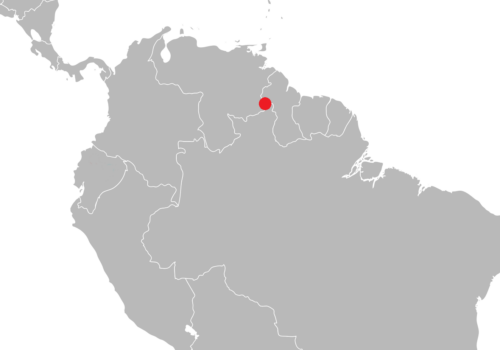
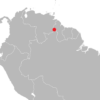
To truly appreciate Incilius karenlipsae, one must journey into the deeply verdant highlands of central Panama, notably the pristine cloud forests blanketing protected areas like Parque Nacional General de División Omar Torrijos Herrera, in Coclé Province. Here, amidst constant humidity, persistent low clouds, and lush vegetation dripping with condensation, these toads spend their days quietly hidden, revealed only to the observant eye.
The Magical Realm of Cloud Forests#
Cloud forests, characterized by their altitude, persistent fog, and unique microclimates, provide an ideal refuge for amphibians like I. karenlipsae. These ecosystems stay consistently cool, never too warm or extremely cold. The persistent moisture creates a saturated environment essential for amphibians, whose delicate skins require a constant connection to moisture to absorb oxygen and stay hydrated. We find I. karenlipsae particularly fond of leaf-littered forest floors, streamside vegetation, and mossy embankments along gently trickling streams.
Perfectly adapted to these habitats, the toads rely heavily on the dense canopy layer to maintain temperature and moisture equilibrium, hiding in fallen leaves, logs, and vegetation during daylight hours. It’s a world of tranquility—yet one requiring balance and stability, highlighting the importance of preserving such delicate ecosystems.
Physical Characteristics#
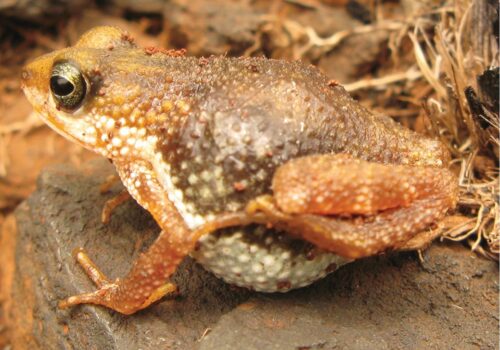
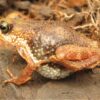
Incilius karenlipsae strikes a humble, subtly beautiful presence. Adult individuals present a relatively modest size, typically ranging between 40 to 60 millimeters in length, with females generally slightly larger—a characteristic common among amphibians. Its coloration demonstrates extraordinary camouflage adaptations: shades of brown, olive, and gray merge seamlessly with the leaf litter, bark, and wet soil characteristic of its environment. Upon careful observation, cryptic patterns on their backs and limbs reveal themselves, clearly evolved to break up their silhouette in the dappled sunlight of the forest floor.
A closer look at this toad reveals small but distinct cranial crests and parotoid glands immediately behind the eyes. These glands harbor specialized toxins that deter potential predators—an evolutionary feature common to bufonid toads. Their legs, muscular and proportionate, are developed primarily for strolling rather than high leaps, reflecting their quiet adaptability as ambush predators and patient explorers of the rainforest floor.
Behavior and Life Cycle#
Throughout its life, Incilius karenlipsae leads a generally secretive and reserved existence, emerging primarily at night or following rainstorms, emphasizing their reliably nocturnal activities. Under the cloak of darkness, they hunt. Their diet primarily consists of insects, spiders, small terrestrial organisms, and occasionally small worms—an influence that significantly contributes to the control of insect populations within their delicate forested habitat.
Breeding and Development: The Spectacle of Amphibian Life#
The rainy season deeply influences this species’ reproductive behavior. Male I. karenlipsae gather at streams and temporary pools, vocalizing with soft, rhythmic calls to attract females to breeding aggregations. Their vocalizations echo quietly under the dense forest canopy, a tender symphony uniquely attuned to the acoustic space provided by their humid, closed-canopy ecosystems.
Females choose mates based on call attractiveness, after which eggs are laid in clear streams and pools. Tadpoles hatch, transforming gradually into terrestrial juveniles ready to continue the quiet legacy of their parents. Tadpoles thrive in shallow freshwater habitats, feeding on algae and detritus, growing slowly and eventually undergoing metamorphosis into sub-adult terrestrial forms, completing the wonderful and delicate life cycle of this fascinating species.
Ecological Role#
Each creature inhabiting Earth plays a vital ecological role, and Incilius karenlipsae is no exception. As an integral part of its cloud-forest ecosystem, these toads act as efficient predators on numerous insect species, including many considered pests. Their appetite significantly reduces populations of invertebrates, thus maintaining ecological balance and potentially preventing outbreaks that could negatively impact vegetation health.
Additionally, their vulnerability to environmental changes positions them as ideal indicator species. The health of I. karenlipsae populations provides vital clues regarding the overall health and stability of cloud forest ecosystems, allowing scientists and conservationists to monitor environmental fluctuations, human-induced changes, and ecological balance.
Threats and Conservation Status#
Despite practicing quiet lives far from human eyes, toads like I. karenlipsae face significant threats. Amphibians globally suffer alarming decline primarily due to habitat loss, climate change, pollution, and, notably, the catastrophic fungal disease chytridiomycosis—the focus of Dr. Karen Lips’ groundbreaking research, profoundly transforming our understanding of amphibian conservation on global scales.
Currently, Incilius karenlipsae is officially assessed by the IUCN Red List as Data Deficient, meaning there’s insufficient information regarding its exact population trends and extent of threats. Such uncertainty vividly underscores the critical necessity of further research and surveys to establish effective conservation measures to preserve this unique species and its fragile habitat.
Cultural and Scientific Significance#
Though newly described, the significance of Incilius karenlipsae extends beyond mere biology. Named after Dr. Karen Lips, this species symbolizes the importance of conservation research, ecological awareness, and dedicated advocacy. Scientific discoveries involving species like I. karenlipsae inform conservation strategies, disease management, habitat protection, and ecosystem monitoring globally.
Conclusion#
Incilius karenlipsae quietly embodies the vital story of amphibians in today’s world. Its unique presence and ecological role signify interconnectedness, fragility, and resilience. Understanding and protecting this enigmatic little toad isn’t merely about saving one species but rather about protecting an entire ecosystem’s future—the diverse life thriving silently beneath the dense, mist-bound canopies of Panama’s cloud forests.
We must embrace the responsibility of conserving such remarkable biodiversity, urging global support for its preservation. By safeguarding Incilius karenlipsae and its home, we ensure healthy, vibrant ecosystems for future generations to cherish and admire.