- Introduction: Unveiling an Enigmatic Amphibian in the Heart of Central America
- Taxonomy and Classification: Placing Incilius intermedius in Nature's Family Tree
- Natural Habitat: Inside the Vibrant Rainforests and Woodland Floors
- Physical Characteristics: The Subtle Beauty of Incilius intermedius
- Behavior and Life Cycle: Exploring the Intricacies of Growth and Survival
- Ecological Role: Guardians of Balance Within Forest Ecosystems
- Threats and Conservation Status: Protecting a Species at the Crossroads
- Cultural and Scientific Significance: Learning from Amphibian Secrets
- Conclusion: A Call to Protect the Intermediate Toad and Its Precious Forest Home
Introduction: Unveiling an Enigmatic Amphibian in the Heart of Central America#
Hidden amidst the lush leaf litter and humid corridors of Central American rainforests exists a small yet remarkable amphibian—the intermediate toad, scientifically categorized as Incilius intermedius. Quietly thriving away from human eyes, this unassuming toad captures the imagination of naturalists and biologists alike, drawn to its fascinating adaptations, intrigue-filled lifestyle, and crucial ecological role.
Amphibians often symbolize mysteries that unravel slowly beneath careful observation, and this rings particularly true for Incilius intermedius. Small yet resilient, this species embodies the adaptability and intricate balance that characterize its rainforest habitats, serving both as a predator and prey within its delicate ecosystem. From its conspicuous golden-brown hues to its intriguing vocalizations on misty evenings, this captivating amphibian deserves recognition and protection.
Taxonomy and Classification: Placing Incilius intermedius in Nature’s Family Tree#
Belonging to the diverse family Bufonidae, more familiarly known as true toads, Incilius intermedius finds companionship with numerous species spanning temperate to tropical climates. Formerly placed in the broad genus Bufo, taxonomic refinement has recently classified this distinct species firmly within the genus Incilius, a group distinguished by specialized morphological and genetic traits.
Its Latin name, intermedius, intriguingly signifies its initially perceived intermediate status between two closely related species. Modern genetic analysis later clarified its distinctiveness, while still echoing this intermediary nomenclature as a fascinating historical footnote in amphibian taxonomy. Its closest relatives, Incilius valliceps and Incilius nebulifer, share overlapping ranges and certain morphological traits, yet the intermediate toad maintains a distinct ecological niche and behavioral nuances all its own.
Natural Habitat: Inside the Vibrant Rainforests and Woodland Floors#
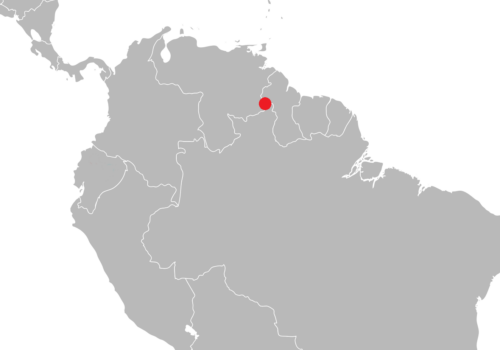
The range of Incilius intermedius extends primarily across Central America’s northern countries—including Mexico, Guatemala, Belize, and parts of Honduras—where humid tropical and subtropical woodlands offer ideal conditions. Flourishing within dense foliage, damp soil, and leaf litter scattered across forest floors, the intermediate toad actively contributes to this vibrant yet fragile ecosystem.
Preferring habitats nestled between lowland moist forests and gently sloping foothills, this amphibian possesses an affinity for soft, moist substrates. Leaf litter, decaying logs, and shaded riverbanks provide essential cover and micro-habitats abundant with the insect prey it depends upon. By remaining hidden yet alert beneath these layers of decomposing plant matter, Incilius intermedius finds safety from predators and shady respite from the sun’s intensity.
Understanding the toad’s preference for particular environmental conditions deepens our appreciation of the fragile interconnectedness that shapes its habitat. The humidity, temperature fluctuations, and diverse insect prey shapes every aspect of its behavior, from foraging tactics to breeding seasons.
Physical Characteristics: The Subtle Beauty of Incilius intermedius#
To the casual observer, Incilius intermedius may appear similar to many of its toad counterparts. Upon closer inspection, however, its nuanced features reveal surprising adaptations and subtle beauty distinctly its own. Adult individuals typically measure between 45-60 mm, placing them squarely among the smaller toads of the new world tropics.
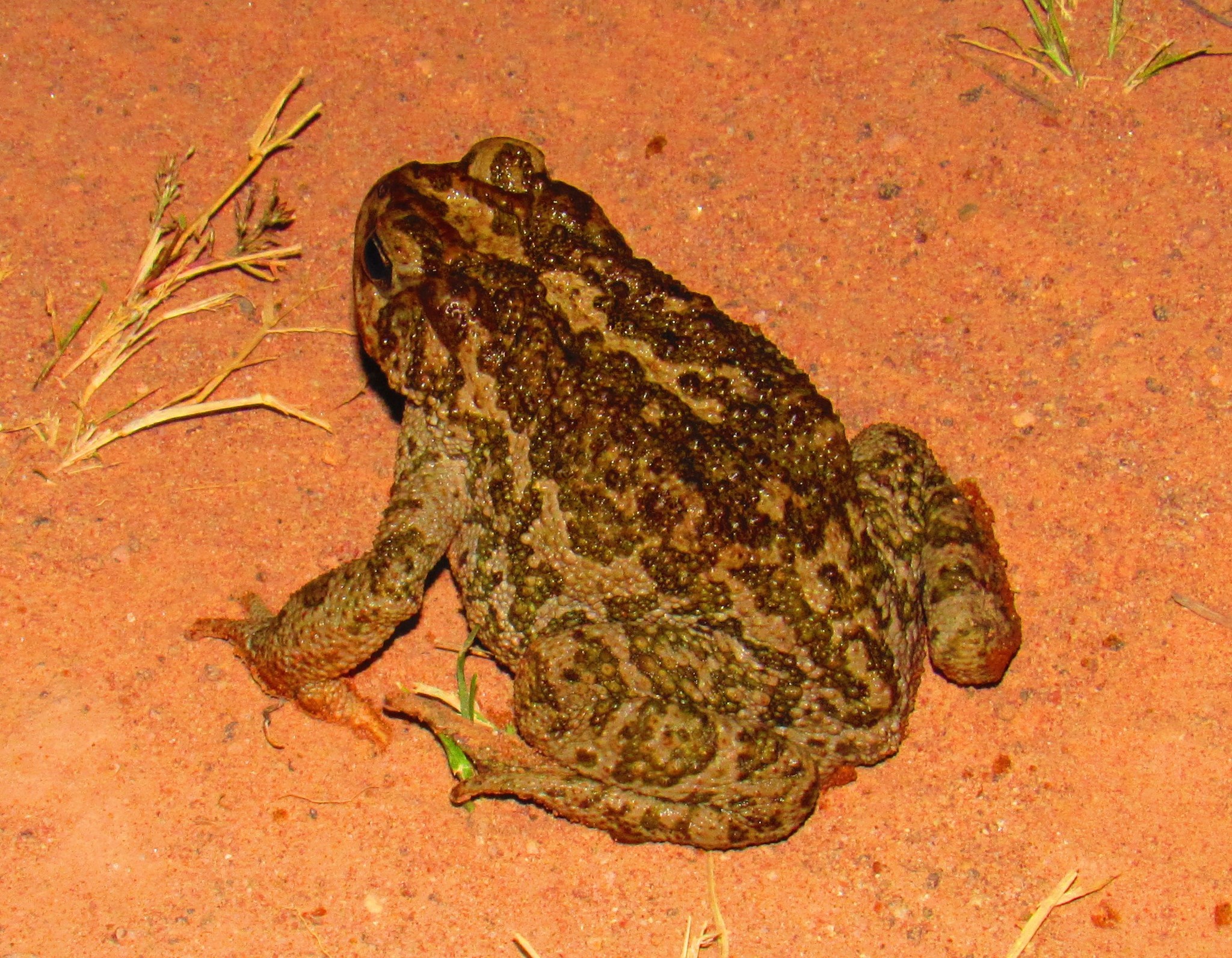
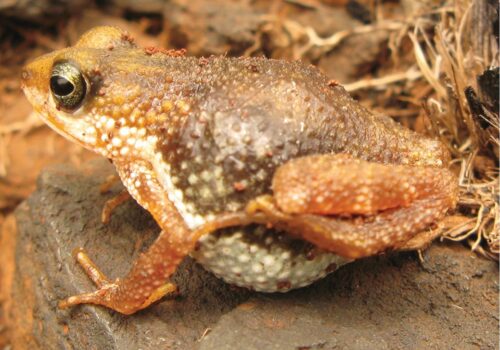
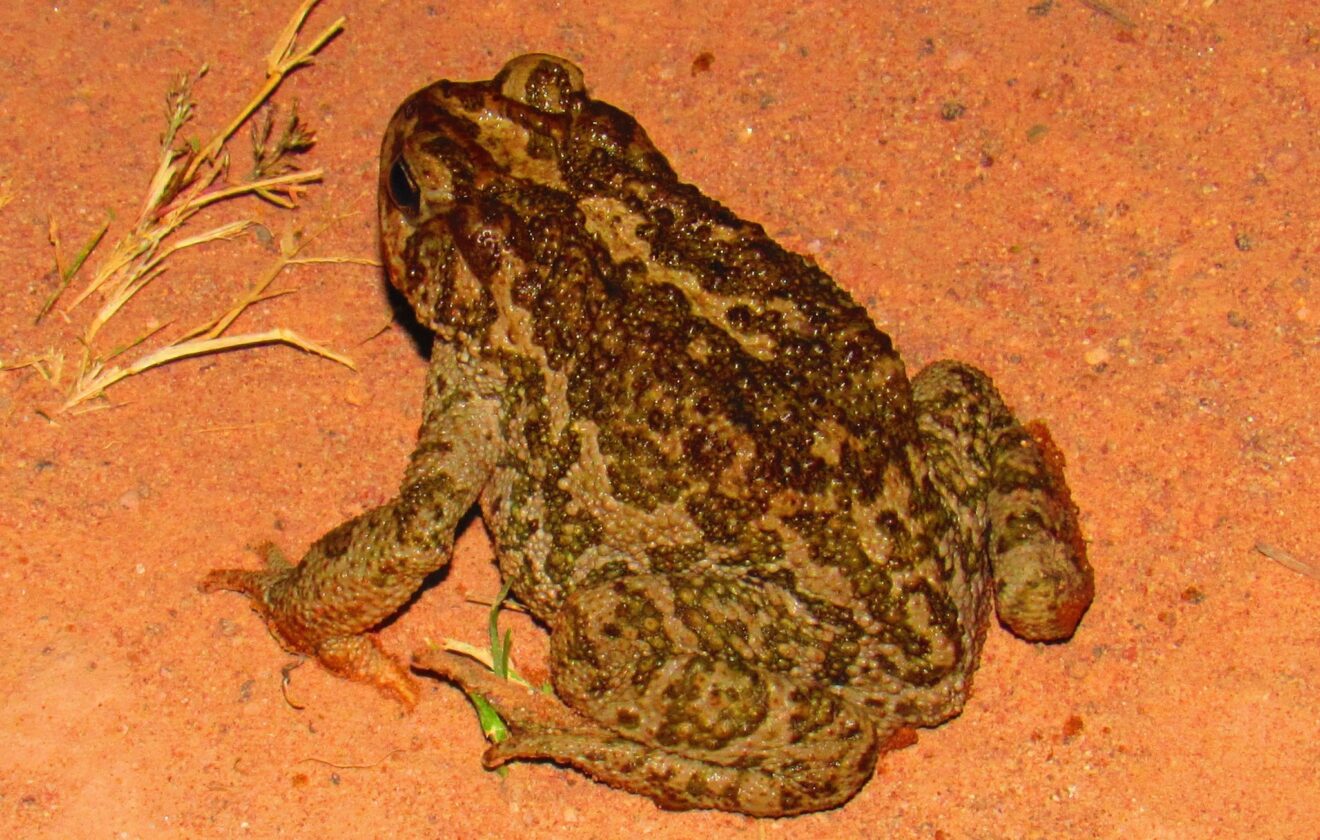
The intermediate toad showcases richly varied coloration ranging from warm browns to olive and yellowish shades, often punctuated with conspicuous lighter markings. Dark lateral bands traversing its sides complement paler mottled markings scattered along its dorsal surface, effectively mimicking dappled sunlight filtering through leafy forest canopies. These patterns not only heighten the toad’s beauty but equip it with effective camouflage, rendering it nearly invisible to potential predators.
Its rough, warty skin texture provides vital moisture retention capabilities, while specialized glands situated prominently behind its eyes secrete toxins to deter predators. These parotoid glands produce mild toxins capable of irritating potential attackers, serving as an important line of defense that allows this small amphibian to confidently navigate its forest habitat.
Behavior and Life Cycle: Exploring the Intricacies of Growth and Survival#
As twilight blankets Central American rainforests, the chorus of nocturnal wildlife awakens, led by the distinct mating calls of Incilius intermedius. The males initiate their melodious and persistent vocalizations from strategic spots near slow-moving streams or shallow pools, enticing females with resonant, repetitive trills piercing through humid air.
After this vocal campaign, successful courtships culminate near temporary water bodies, where females lay gelatinous egg strands attached carefully to submerged branches and aquatic vegetation. Egg clutches typically range from several hundred to a thousand eggs, each containing a tiny embryo destined to metamorphose from larva (tadpole) to terrestrial juvenile.
The tadpoles of Incilius intermedius showcase fascinating developmental adaptability, transitioning from aquatic vegetation grazers to primarily insectivorous terrestrial predators throughout their metamorphosis. Emerging into terrestrial habitats, juvenile toads rapidly take shelter in the thick soil cover and leaf litter, honing their skills as efficient ambush predators pursuing a diet rich in ants, termites, beetles, and other invertebrates.
Throughout adulthood, intermediate toads largely remain solitary except during rainy season breeding events. Their nocturnal habits, alongside their reliance on cryptic coloration and secretive behaviors, serve as essential tactics to evade predators such as snakes, birds, and mammals roaming their ecosystems.
Ecological Role: Guardians of Balance Within Forest Ecosystems#
The intermediate toad performs an integral role within its environment, significantly influencing insect populations and nutrient cycling processes within rainforest ecosystems. As opportunistic predators, these amphibians help moderate insect abundance, particularly controlling populations of ants, termites, and smaller arthropods whose unchecked numbers could negatively impact forest health.
Conversely, Incilius intermedius serves as vital prey for myriad larger predators. Regions with healthy amphibian populations indicate balanced ecosystem conditions, underscoring their significance as bioindicators. These toads’ sensitivity to environmental change highlights the broader health of their habitats—conditions ideal for their survival typically ensure benefits for countless coexisting plant and animal species.
Threats and Conservation Status: Protecting a Species at the Crossroads#
Despite its ecological significance, Incilius intermedius faces increasing pressures from human-driven factors, notably habitat fragmentation, deforestation, agricultural expansion, and contamination from pesticides and pollutants. The cumulative consequences of these factors can critically impact local populations, reducing their numbers and limiting genetic diversity.
The International Union for Conservation of Nature (IUCN) currently classifies Incilius intermedius under Least Concern. However, increasing vigilance and regular population assessments are still necessary. Its relatively broad geographic distribution offers some resilience, yet specific locales within its range are experiencing troubling declines caused directly by urban sprawl, increased agriculture, and forestry practices.
Proactive conservation strategies coupled with habitat restoration initiatives enhance this amphibian’s chances of enduring survival. Educating local communities and policy-makers about the species’ significance helps ensure effective habitat protection efforts capable of sustaining flourishing toad populations.
Cultural and Scientific Significance: Learning from Amphibian Secrets#
Amphibians like Incilius intermedius have long inspired human curiosity, symbolizing resilience, transformation, and delicate balance in numerous cultural traditions. Indigenous communities throughout Central America often interpret frog calls as indicators of changing seasons or harbingers of weather events.
Scientific research focused on amphibians like this species provides invaluable insights into ecosystems’ responses to broader environmental changes. Their permeable skin and intricate life cycles offer excellent indicators of environmental contamination, climate shifts, and habitat degradations—information critical to guiding human stewardship toward ecological sustainability.
Conclusion: A Call to Protect the Intermediate Toad and Its Precious Forest Home#
Ultimately, protecting Incilius intermedius means safeguarding the mesmerizing forests they inhabit. As nature enthusiasts, conservation advocates, and caring citizens, we hold responsibility toward celebrating, studying, and preserving this fascinating amphibian.
In our ongoing exploration and appreciation of nature’s diversity, the intermediate toad reminds us that even the smallest creatures offer invaluable insights and lessons about careful coexistence. Let us join together in nurturing greater respect, understanding, and conservation actions to protect this remarkable amphibian and the fragile habitats it calls home.