Incilius coccifer: The Captivating Tale of the Tropical Dry-Forest Toad#
Beneath the dense foliage and scattered leaf litter of Central America’s tropical dry forests, an unassuming yet fascinating creature quietly thrives—Incilius coccifer, commonly known as the Dry-Forest Toad or Central American Forest Toad. Unlike the vibrant tree frogs often spotlighted in nature documentaries, this understated amphibian carries its charm subtly, camouflaged among fallen leaves, bark, and soil. By day, quiet and secretive, this toad emerges at nightfall, resonating its melodic call that orchestrates the nighttime chorus of the dry forest ecosystem. Beyond its humble appearance, Incilius coccifer plays an essential ecological role, revealing intimate details of environmental health and biodiversity balance. Bridging the world between earth and water, between adequacy and adaptation, this toad reminds us that beauty and wonder in nature often reside surprisingly close—in plain sight yet hidden to those unaccustomed to patience and careful observation.
Taxonomy and Classification#
Belonging to the diverse Bufonidae family, Incilius coccifer is a member of the genus Incilius, distinguished in recent taxonomy from the well-established genus Bufo. Established by Edward Drinker Cope, a renowned herpetologist of the 19th century, this species was initially classified under the genus Bufo, later reassigned due to evolutionary differentiation highlighted by genetic analyses and morphological criteria.
The scientific nomenclature follows:
- Kingdom: Animalia
- Phylum: Chordata
- Class: Amphibia
- Order: Anura
- Family: Bufonidae
- Genus: Incilius
- Species: Incilius coccifer
Close relatives within the genus Incilius include species such as Incilius valliceps, sharing overlapping territories and habitat preferences. Understanding their relationship helps researchers unreel evolutionary threads explaining adaptations to dry forest ecosystem dynamics.
Natural Habitat#
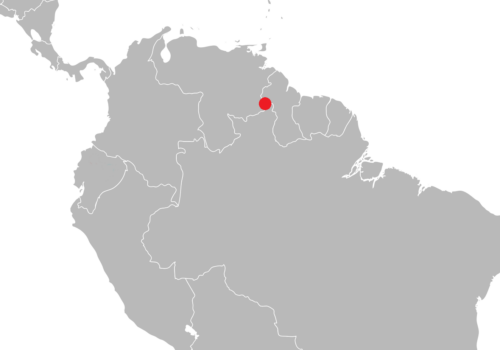
Incilius coccifer predominantly inhabits the subtropical and tropical dry forests that stretch across portions of Central America, including Costa Rica, Nicaragua, Honduras, Guatemala, and southern Mexico. These regions, characterized by distinct wet and dry seasons, form the backdrop for the toad’s intimate life. The forest floors, typically carpeted with decomposing vegetation, offer the ideal moisture conditions and hiding grounds essential for the toad’s daily routine and survival mechanisms.
Particularly well-suited to semi-arid and deciduous habitats—forests characterized by drought-resisting plants and seasonal leaf shedding—the Central American dry-forest toad utilizes the microclimates created by deep shade, moist leaf litter, and soil dampness beneath logs and fallen branches. During harsh dry spells, toads seek refuge within hidden crevices, beneath accumulated leaf piles or logs, aestivating to endure prolonged periods of drought.
A Delicate Balance with Seasonal Patterns#
These forests are not only homes but orchestrators of Incilius coccifer’s biological rhythms. The onset of the rainy season, invoking rejuvenation of vegetation and a resurgence of aquatic habitats, signals a flurry of reproductive activity among these toads. Rainstorms forming ephemeral ponds and puddles are vital catalysts, allowing populations to flourish temporarily and facilitating breeding rituals and tadpole development.
Physical Characteristics#
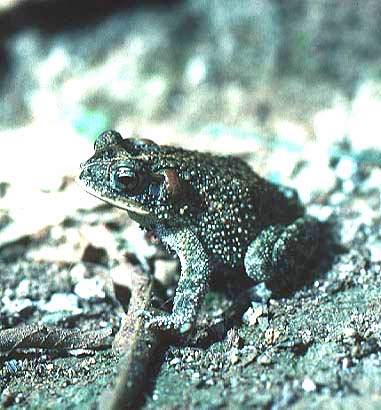
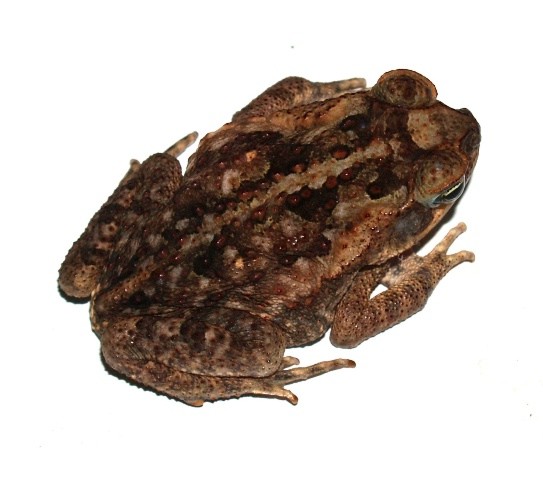
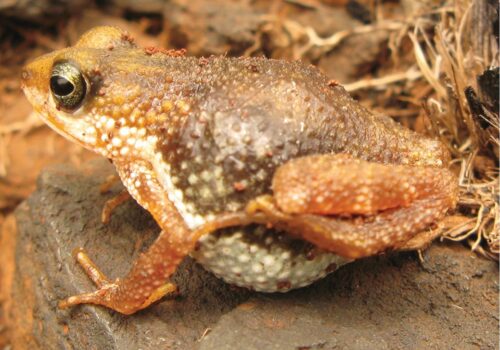
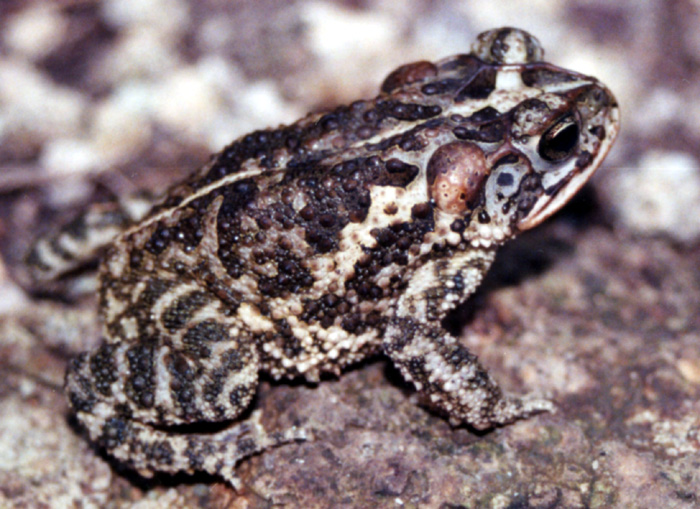
At first glance, Incilius coccifer may seem modestly unremarkable, typically averaging between 4 to 7 centimeters in length, with females often growing slightly larger than males. Yet, closer observation uncovers beautiful intricacies. Their skin, rough and covered in multiple tubercles, evokes texture akin to dried bark or soil, skillfully camouflaging them within their habitat. Predominant coloration ranges from earthy browns to variations of muted grays and olives, interspersed occasionally with darker blotches and stripes that blend seamlessly among dead leaves and forest detritus.
Adaptations for Survival#
Among its notable adaptations are its parotoid glands—situated behind each eye—which produce bufotoxins upon experiencing threats. These secretions serve as critical defensive mechanisms designed to deter predation from mammals, birds, or reptiles. Though harmless when untouched, they act as potent warnings against potential predators.
The toad’s robust back legs, though shorter than its arboreal cousins, are strongly muscular, adapted primarily for steady hopping, rather than the spectacular leaps seen in tree frogs. Their shorter, stockier builds allow them quick, controlled movements across uneven forest floors.
Behavior and Life Cycle#
Cloaked by the night, Incilius coccifer leaves its daytime hideaways to forage, driven primarily by appetite and necessity. The diet predominantly consists of insects and small terrestrial invertebrates—beetles, ants, termites, spiders—hunted efficiently due to their acute nocturnal vision and sensitivity to movement.
Mating Rituals and Calls in the Moonlight#
As rains begin to fall and ephemeral pools form, males congregate near suitable breeding sites, delivering profound, resonant calls reminiscent of a gentle, sustained whistle or trill. These nighttime choruses, echoing softly yet insistently beneath moonlit skies, remain pivotal within their breeding strategies—guiding females towards preferred breeding pools, vital in regions where water is a transient and precious resource.
Upon mating, female Incilius coccifer lay strings of gelatinous eggs underwater, often attached to submerged vegetation or anchored among submerged debris. Tadpoles emerge rapidly, equally adapted to seasonal ponds, quickly developing over several weeks before transitioning into miniature versions of their adult forms, equipped with lungs and capable of terrestrial life.
Ecological Role#
In ecosystem terms, Incilius coccifer holds an influential yet often understated role as both predator and prey. Their predation activity contributes significantly to controlling insect populations, particularly pests such as termites and ants, indirectly maintaining vegetational health and balance.
Conversely, the toads themselves constitute important food sources for various terrestrial predators, including snakes, birds of prey, and occasionally mammals. Their presence and population health, sensitive to environmental changes, also call attention to ecosystem imbalance, positioning them as crucial bioindicators of habitat integrity and tropical dry forest ecosystem health.
Threats and Conservation Status#
Currently listed as “Least Concern” on the IUCN Red List, Incilius coccifer remains relatively widespread through sizable portions of its historic range. Yet, subtle and mounting threats contribute to growing concerns about habitat stability. Foremost among these threats is deforestation driven by agriculture expansion and urban development, increasingly fragmenting viable habitats. Climate change, causing more intense and unpredictable drought periods, exacerbates negative impacts on ephemeral breeding pools necessary for breeding success.
The Role of Community-Based Efforts#
Dedicated conservation initiatives—such as protected areas, habitat restoration projects, and community engagement—play pivotal roles in safeguarding these toads and their habitats. Currently, local and national conservation efforts in Central American countries actively include habitat protection, education campaigns raising awareness, and research programs aimed at better understanding Incilius coccifer’s unique biological requirements for effective future conservation planning.
Cultural and Scientific Significance#
Though not a widely celebrated cultural icon, Incilius coccifer’s subtle presence signifies larger environmental questions and ecological health. Indigenous communities historically observe certain amphibian species as symbols of fertility, rebirth, and ecological harmony, reflecting deeper reverence toward biotic communities and their interconnectedness.
From a scientific standpoint, the study of amphibians including Incilius coccifer accelerates understanding of ecosystem responses to environmental stressors and offers valuable insights into amphibian biology, toxin biochemistry, and climate resilience.
Conclusion#
Incilius coccifer embodies the understated yet critical roles small, diminutive creatures play within global ecosystems. Its existence—silent and subtle within a complex tapestry of leaf litter and moonlit pools—speaks volumes about the broader state of our world’s biological diversity and environmental health. Preserving this gentle, resilient creature and its precious habitat ensures not just the survival of one species but an entire ecological balance upon which so many lives depend. The story of Incilius coccifer prompts us all to observe carefully, understand deeply, and ultimately act compassionately to safeguard the wonders of our natural world.