- Delving into the Hidden World of Incilius cavifrons: The Intriguing Mountain Toad of Central America
- Taxonomy and Classification of Incilius cavifrons
- The Natural Habitat of Incilius cavifrons
- Physical Characteristics and Adaptations
- Behavior and Life Cycle of the Mountain Toad
- Ecological Role and Significance
- Threats and Conservation Status
- Cultural and Scientific Importance
- Conclusion: Preserving a Quiet Guardian of Forest Health
Delving into the Hidden World of Incilius cavifrons: The Intriguing Mountain Toad of Central America#
Beneath the dense leaf litter and amidst the humid forests of Central America, a creature hides quietly in plain sight—Incilius cavifrons. Known commonly as the Mountain Toad, Incilius cavifrons is an amphibian whose modest appearance conceals ecological brilliance. Often overlooked by casual observers due to its cryptic coloring and discreet habits, this fascinating species plays a pivotal role in helping scientists understand habitat health and biodiversity patterns in tropical ecosystems.
Scientifically classified in the family Bufonidae, genus Incilius, the species name “cavifrons” gently hints at one of its most distinctive features: the unique indentation or “hollow” found on its frontal head region. Beyond its scientific curiosity, Incilius cavifrons carries a subtler charm—the gentle croak echoing softly through misty jungles, reminding all who pause to listen that secret lives steel quietly within the forest underbrush.
Taxonomy and Classification of Incilius cavifrons#
Incilius cavifrons belongs to Bufonidae, the family widely recognized as “true toads.” Within this extensive amphibian family, Incilius is a distinct genus, home to various species native primarily to Central America and parts of Mexico. Incilius cavifrons itself was initially described scientifically by Johann Jakob von Tschudi in 1838, originally under the genus Bufo. Over time, molecular data and morphological research revealed distinct evolutionary lineages, leading scientists to reclassify the Mountain Toad within the increasingly diverse genus Incilius.
This significant taxonomic shift underscores the fluid nature — and scientific rigor — behind amphibian classification efforts. Today, researchers continue using a combination of DNA sequencing, behavioral observations, and detailed morphological studies to ensure accurate classifications that reflect evolutionary relationships. Close kin to Incilius cavifrons include toads such as Incilius valliceps and Incilius nebulifer, each distinguished by unique morphological and genetic traits adapted for their specific ecological niches.
The Natural Habitat of Incilius cavifrons#
Geographic Range and Distribution#
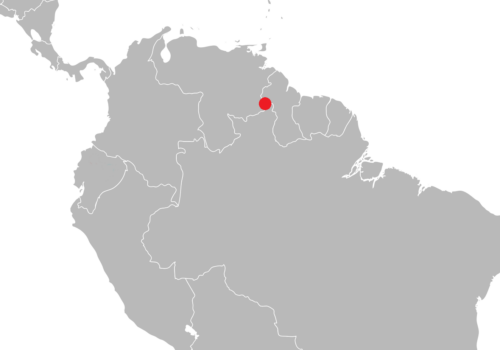
Incilius cavifrons boasts a relatively restricted but intriguing distribution, primarily found across the humid foothill forests and mountainous regions of southern Mexico, Guatemala, Nicaragua, Honduras, El Salvador, Costa Rica, and western Panama. These amphibians thrive within specific altitudinal bands, typically between 300 and 2,000 meters above sea level, their presence marking landscapes rich in moisture and biodiversity.
Habitat Preferences and Adaptations#
The Mountain Toad demonstrates a clear preference for primary and secondary tropical forests, characterized by dense foliage, abundant leaf litter, and consistently damp, humid microenvironments. As a terrestrial toad, it spends much of its time hidden beneath fallen leaves, decaying logs, or nestled within shallow burrows it carves along soft, damp earth. Such habitats are ideal for maintaining their delicate moist skin and affording ample protection from predators.
Toads of this region have evolved remarkable sensitivity to moisture and temperature variations, subtly migrating vertically through the forest layers or shifting into slightly cooler and more humid microhabitats as conditions require. Their preference for healthy, undisturbed habitats makes Incilius cavifrons a compelling bioindicator species whose presence—or absence—can speak volumes about ecosystem health and stability.
Physical Characteristics and Adaptations#
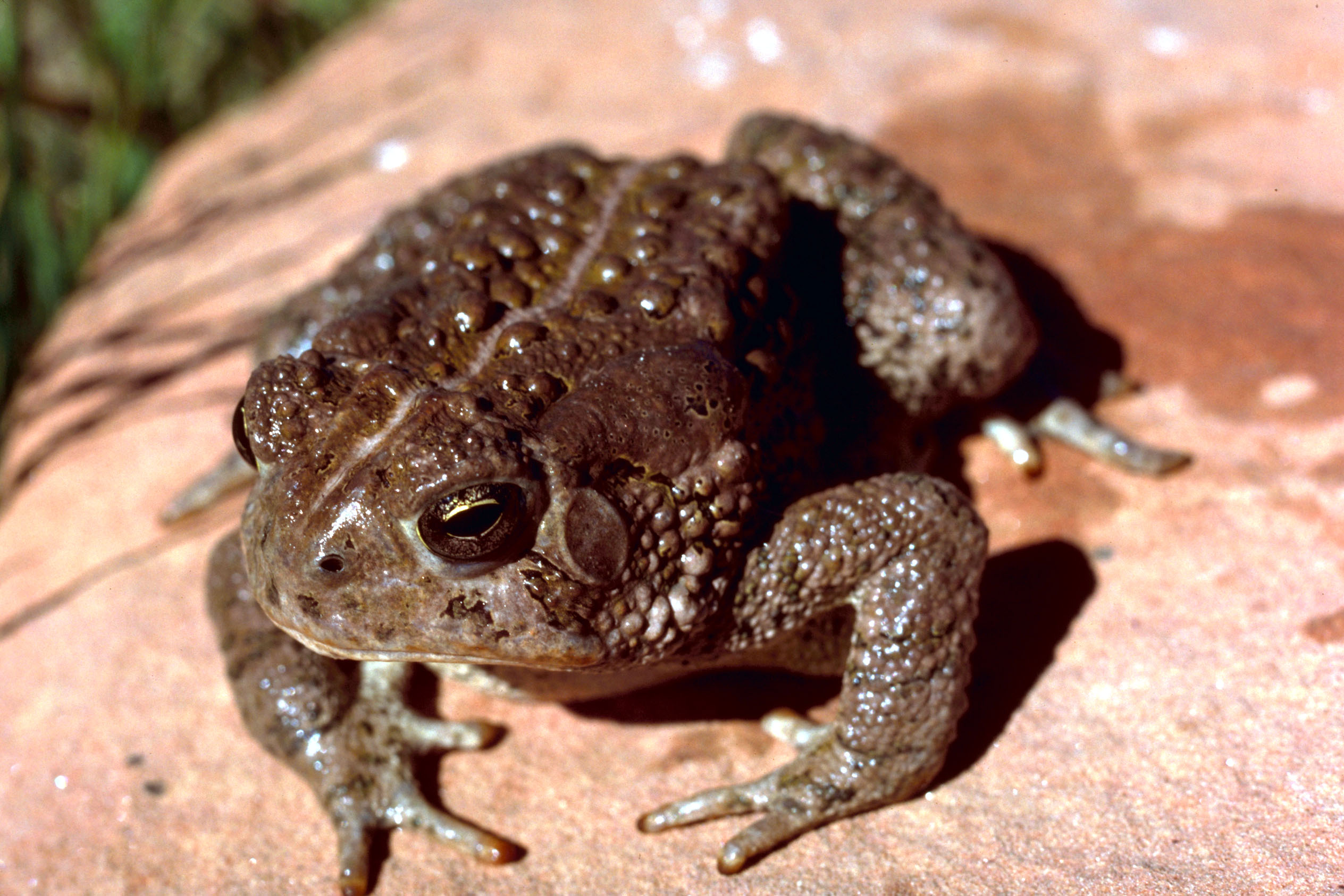
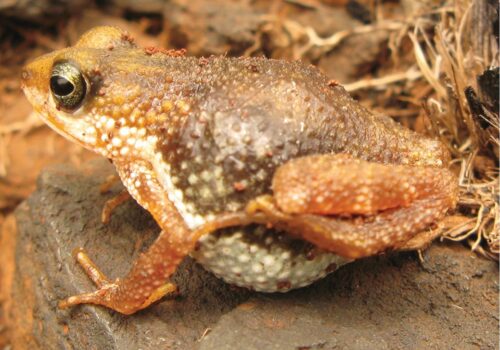
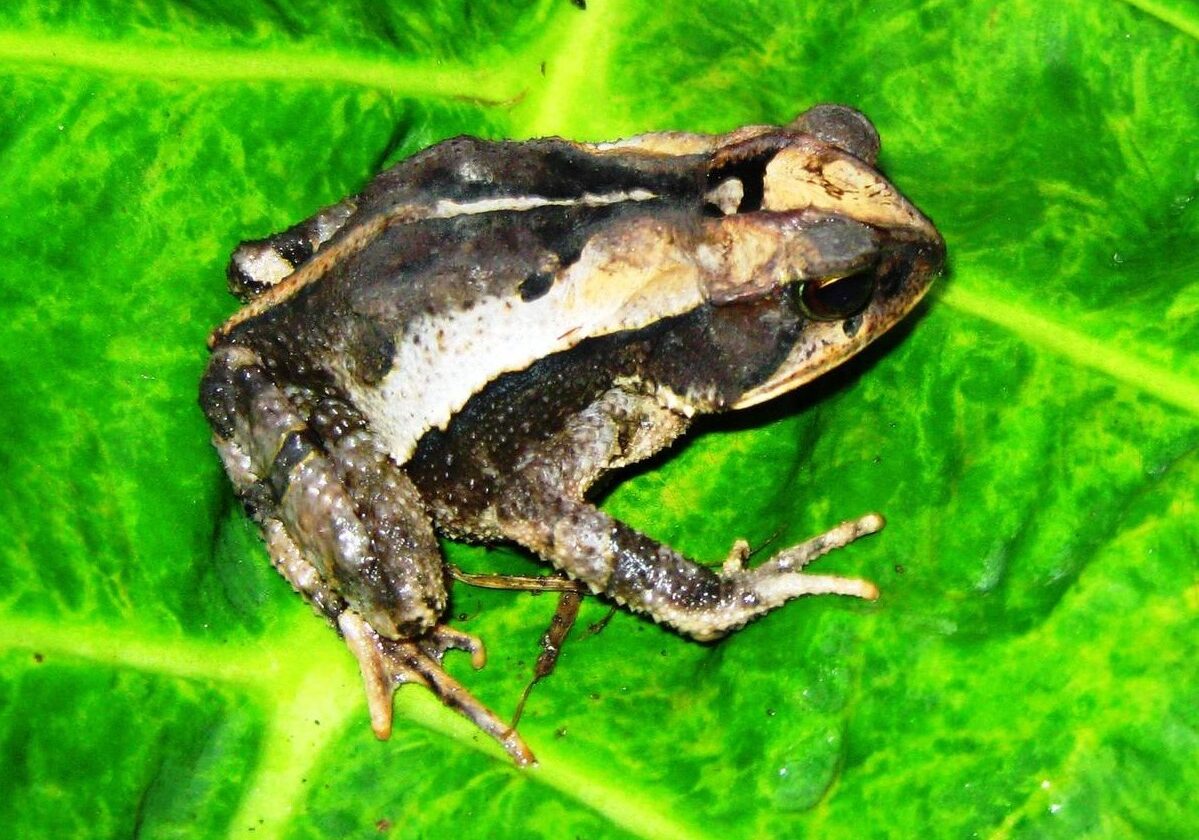
At first glance, Incilius cavifrons might seem an unassuming creature, modestly sized, generally measuring between 5 and 8 cm in length. Yet closer inspection reveals a creature admirably adapted to its cloistered existence amid rainforest debris. The species displays muted coloration, commonly brown or grayish hues, artfully splattered with darker spots or mottled patterns. This cryptic coloration matches the shadows and rust-colored leaves carpeting the forest floor, offering exceptional camouflage from predators.
Indeed, the defining physical characteristic implied by its Latin name, “cavifrons,” is a noteworthy hollow or depression seen prominently between its eyes—a trait aiding identification in the field. The skin exhibits typical bufonid roughness, covered in small warts and textured granulations, effectively breaking up the outline of the toad against its leafy backdrop.
Its limbs are sturdy yet nimble, perfectly designed for walking and climbing through dense foliage, occasionally clambering short distances up vegetation to escape ground predators or rising floodwaters. Large, expressive eyes positioned at the very top of the head give observations a keen sense of alert vigilance, essential for a small amphibian navigating the hazardous jungle floor.
Behavior and Life Cycle of the Mountain Toad#
Feeding Habits and Hunting Strategies#
Incilius cavifrons is an ambush predator, patiently waiting amidst leaf litter for unsuspecting prey. Its diet consists predominantly of small insects, spiders, beetles, ants, and various invertebrates inhabiting its lush surroundings. Thanks to its unassuming presence and cryptic coloration, prey items, unaware of danger, often venture dangerously close. The toad responds swiftly, snapping out its broad mouth and sticky tongue with impressive precision, seizing the oblivious insect in a rapid, reflexive movement.
Breeding, Vocalization, and Life Stages#
Come breeding season, the forests resonate softly with gentle, rhythmic calls from male Incilius cavifrons. Often described as subdued rattling or croaking sounds, these vocalizations act both as territorial signals to rivals and irresistible invitations for potential mates. Eggs are laid in temporary pools, slow-moving streams, or shallow water-filled depressions of the forest floor. Females deposit clusters of hundreds to thousands of small, gelatinous eggs that stick loosely underwater to submerged leaves or debris, ensuring their safety and oxygenation.
Within days, tiny tadpoles emerge, beginning another remarkable stage of their life cycle. These tadpoles, dark-colored and impressively resilient to varied stream currents, feed primarily on algae or detritus as they undergo dramatic metamorphosis—sprouting limbs, losing gill structures, and gradually forming well-developed lungs suitable for terrestrial existence.
Ecological Role and Significance#
Much more than a modest amphibian hidden among fallen leaves, Incilius cavifrons plays an essential ecological role within its habitat. Acting simultaneously as predator and prey, this modest toad forms a critical link within the forest ecosystem. Controlling insect populations effectively contributes indirectly to plant health and stability, reducing herbivory and fostering ecological balance.
The Mountain Toad also sustains predators such as snakes, small mammals, owls, and other amphibivorous species dependent on it as food. Its presence indicates a forest still rich in biodiversity and relatively healthy ecologically—highlighting its importance within ecosystems threatened increasingly by habitat fragmentation and climate shift.
Threats and Conservation Status#
Unfortunately, like many amphibians worldwide, Incilius cavifrons has experienced population pressures from various factors—most urgently, habitat loss and fragmentation due to encroaching agriculture, logging, and expanding human settlements. Pesticide use near breeding habitats threatens tadpole survival rates, while climate change alters precipitation patterns critically needed for successful reproduction and larval development.
As of the latest IUCN assessment, Incilius cavifrons is categorized as Least Concern, yet conservationists caution against complacency. Continued habitat destruction or climate impacts could rapidly change this status, emphasizing the need for proactive habitat protection measures, preservation of forest connectivity, restoration efforts, and careful monitoring of population trends.
Cultural and Scientific Importance#
Although relatively inconspicuous, Incilius cavifrons occupies quiet but meaningful roles in cultural and scientific landscapes. For native communities in Central America, toads often symbolize fertility, regeneration, and closeness to natural cycles—though specific cultural ties to Incilius cavifrons itself remain subtle and local.
Scientifically, these toads offer researchers vital data as sensitive indicators of forest health and climatic impacts on ecosystems. Their careful monitoring provides insights into overall amphibian population dynamics, ecosystem resilience, and biodiversity conservation strategies—information invaluable to the wider ecological and climatological scientific community.
Conclusion: Preserving a Quiet Guardian of Forest Health#
Incilius cavifrons exemplifies an easily overlooked yet crucially significant amphibian of Central America’s tropical ecosystems. Quietly nestled within leaf litter, adorned with cryptic colors and distinct markings, it symbolizes the quiet interconnectedness that sustains biodiversity and ecosystem health.
Its conservation and protection hinge on collective understanding, awareness, and actions—the crucial steps we must take collaboratively to ensure future generations also might catch glimpses or hear gentle calls of Incilius cavifrons, secure in vibrant, resilient forests. In preserving it, we preserve not just a humble toad, but an entire tapestry of life woven intricately throughout the verdant forests of Central America.