Incilius campbelli: Secrets of a Little-known Central American Toad#
Hidden among the leaf litter and tangled vegetation of pristine cloud forests in Central America lives a small, often overlooked amphibian—the Campbell’s Forest Toad, scientifically known as Incilius campbelli. Unassuming at first glance, this frog unfolds a remarkable story when closely observed: a tale of adaptive coloration, mysterious nocturnal behaviors, and an ecological role crucial to the health of its forest home.
Though data and sightings remain relatively rare, conservationists regard Incilius campbelli as an important ambassador species, capturing the delicate tapestry of forest ecosystems they inhabit. As you journey through this article, I invite you into the lush, humid, and deeply enchanting forests of Guatemala and Honduras, where the quiet yet fascinating life of Campbell’s Forest Toad unfolds beneath the shroud of night.
Taxonomy and Classification#
Incilius campbelli, belonging to the Bufonidae family, is a true toad native specifically to the mountainous forests of northern Central America. First described by Mendelson in 1994, it was initially classified as Bufo campbelli, but more recent genetic studies have led to its reclassification into the genus Incilius. This genus includes various closely related neotropical toads, characterized by distinct anatomical and reproductive features that have allowed researchers to better understand their evolutionary history.
The taxonomic refinement of this species highlights the ongoing endeavor among herpetologists to understand amphibian biodiversity, particularly within regions that remain under-documented and relatively inaccessible.
Natural Habitat#
Geographical Range#
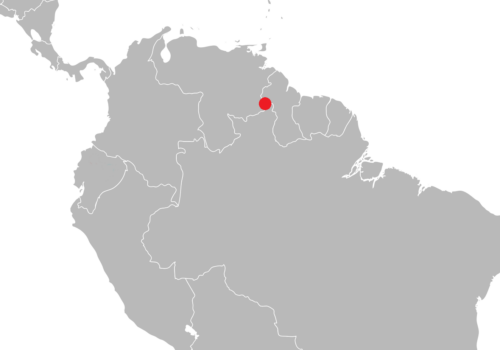
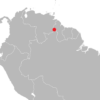
The secretive Incilius campbelli has quite a distinct geographical distribution, primarily found within the cloud forests of central and northwestern Guatemala and adjoining mountainous regions in southern Honduras. These areas encompass mid-to-high altitude forests (ranging roughly between 1,500 and 2,500 meters above sea level), known for their frequent mist, steady rainfall, and a perpetually moist ground layer hosting a plethora of life forms.
Habitat Preferences and Niche Adaptations#
Amidst heavy tree canopies thick with mosses and epiphytes, Campbell’s Forest Toad typically occupies moist forest floors rich with organic debris and decomposing leaf litter. Here, preserved by high humidity and constant mist, organic material provides an ideal microecosystem teeming with insects and other invertebrates, their primary food sources.
These habitats not only harbor a diverse array of prey but also provide essential cover, allowing this amphibian to conceal itself adeptly from potential predators. Streams and small water bodies, scattered throughout these ecosystems, serve as vital breeding grounds during the reproductive season, when shallow pools become alive with the sounds and movements of mating and egg-laying toads.
Physical Characteristics#
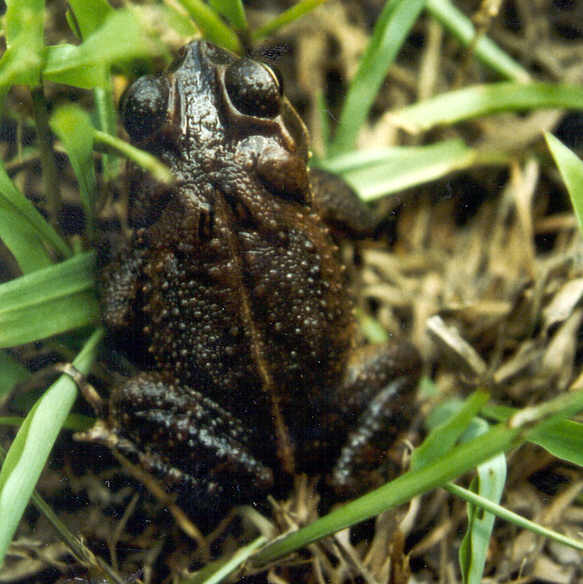
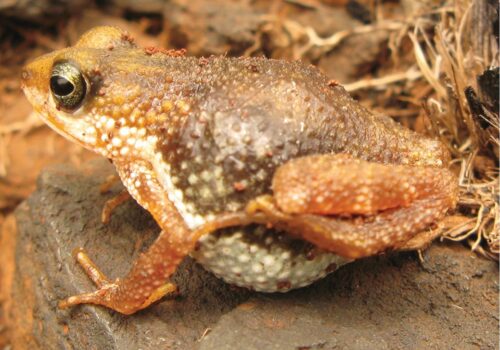
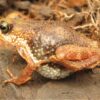
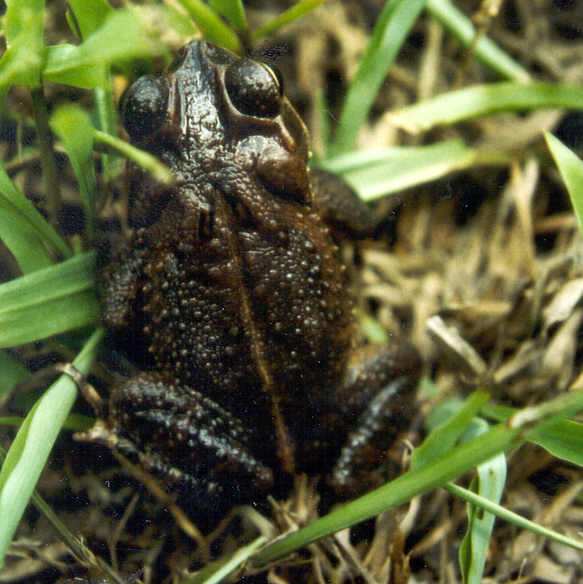
The visual peculiarities of the Campbell’s Forest Toad are subtle but fascinating. Adults typically measure between five and eight centimeters, their appearance robust yet modest, with stout bodies well-adapted for life along the forest floor. The coloration tends to blend seamlessly with their forest environments, displaying shades ranging from earthy browns to deep grays and greens.
One key feature of this cryptic coloration is its impressive power of camouflage—effectively deceiving predators by blending flawlessly into the ground cover. Upon close observation, distinct granular textures and warty, glandular structures across their backs become apparent. Notably, these parotoid glands play an important defensive function, secreting mild toxins when threatened. Such protective adaptations present a direct result of evolutionary pressures, enabling these small amphibians to thrive undisturbed in their rich yet challenging environment.
Behavior and Life Cycle#
Nocturnal Pursuit and Foraging Strategy#
Like other toad species, Incilius campbelli is primarily nocturnal. Under cover of darkness, they embark on slow but carefully orchestrated hunts for their primary prey, a diverse assortment of invertebrates including insects, beetles, earthworms, and spiders. Their vision, sensitive to low-light conditions, coupled with sharp sensory organs, allows them to detect slight movements accurately. Characteristically patient, Campbell’s toads often wait motionless until prey moves within easy reach—then they swiftly lunge forward, using their sticky, muscular tongues to efficiently capture unsuspecting insects.
Reproductive Habits and Development#
When seasonal rains transform forest streams and pools into suitable breeding habitats, males initiate guided choruses of soft, rhythmic mating calls. These vocal communications not only attract prospective females but also define territorial boundaries amongst competing males. Females carefully select mates based on characteristics such as strength and vigor of vocalizations.
Following successful pairing and mating, female toads lay their eggs in gelatinous strands attached securely to submerged vegetation. Over ensuing weeks, these eggs hatch into aquatic tadpoles that rapidly grow, feed off small algae and other microorganisms, gradually developing internal structures and limbs. When metamorphosis completes, juveniles emerge to join their terrestrial community beneath protective canopy cover, completing the cycle again in future rainy seasons.
Ecological Role#
Campbell’s Forest Toad performs diverse and vital ecological roles. As efficient insectivores, they help to regulate populations of various insect species, including those potentially harmful to plants and crops. In turn, their moderate toxicity and abundance contributes to the natural food web by providing prey for larger amphibians, reptiles, birds, and mammals specifically adapted to prey upon poisonous toads.
Perhaps most significantly, amphibians such as Incilius campbelli serve as important bioindicators. Their permeable skin makes them highly sensitive to changes in local environmental conditions—especially pollutants, diseases, and climate shifts. Maintaining healthy amphibian populations is thus crucial in upholding overall ecosystem integrity and biodiversity.
Threats and Conservation Status#
Habitat Loss and Fragmentation#
Unfortunately, Campbell’s Forest Toad is more vulnerable than may initially seem. Primary threats include habitat destruction driven by expanding agriculture, illegal logging operations, and infrastructure development. Fragmentation of cloud forest habitats severely restricts their mobility and access to breeding grounds, limiting genetic diversity and adaptability of local populations.
Climate Change and Disease#
The insidious plight known as amphibian chytrid fungus (Batrachochytrium dendrobatidis) is another looming threat. Rising global temperatures, coupled with altered precipitation patterns driven by climate change, exacerbate disease prevalence. While studies specific to this species remain limited, general assessments suggest susceptibility.
Conservation Efforts and Status#
Currently listed by the IUCN (International Union for Conservation of Nature) as Near Threatened, Incilius campbelli is receiving increasing attention. Conservationists and scientists are working diligently to monitor known populations, protect existing forest preserves within their range, and enhance awareness among local communities. Educational outreach programs highlighting the fragile yet important role played by local amphibians have begun to foster greater appreciation and support for conservation measures.
Cultural and Scientific Significance#
Although not frequently celebrated within local folklore, Campbell’s Forest Toad does hold significant scientific importance. Amphibians have become subjects for studies exploring skin secretions for potential medical compounds, their adaptability as climate sensors, and their intriguing behavioral patterns. Continued research could unveil valuable insight, potentially benefiting ecological understanding and even human health.
Conclusion#
From hiding quietly among piles of fallen leaves to emitting soft gripping choruses at night, Incilius campbelli quietly shapes the ecological foundations of Central America’s cloud forests. While easily overlooked in their humid, shadowy environments, these creatures offer invaluable ecological services, scientific clues, and fundamental lessons on resilience in the face of environmental adversity.
Protecting this humble forest guardian means preserving an irreplaceable thread within the broader tapestry of biodiversity. Let us continue to marvel at this extraordinary amphibian, support efforts to safeguard its fragile forest habitat, and inspire future encounters on shadowy paths beneath misty forest canopies, in the company of these captivating and underrated toad companions.