- Introduction: Meeting the Enigmatic Colorado River Toad
- Taxonomy and Classification
- Natural Habitat: Life in the Harsh Desert Landscape
- Physical Characteristics: A Creature of Striking Form and Function
- Behavior and Life Cycle: Mastering Desert Survival
- Ecological Role: Guardians of Desert Biodiversity
- Threats and Conservation Status: Navigating Modern Challenges
- Cultural and Scientific Significance: An Amphibian of Many Identities
- Conclusion: Preserving a Treasure of Desert Biodiversity
Introduction: Meeting the Enigmatic Colorado River Toad#
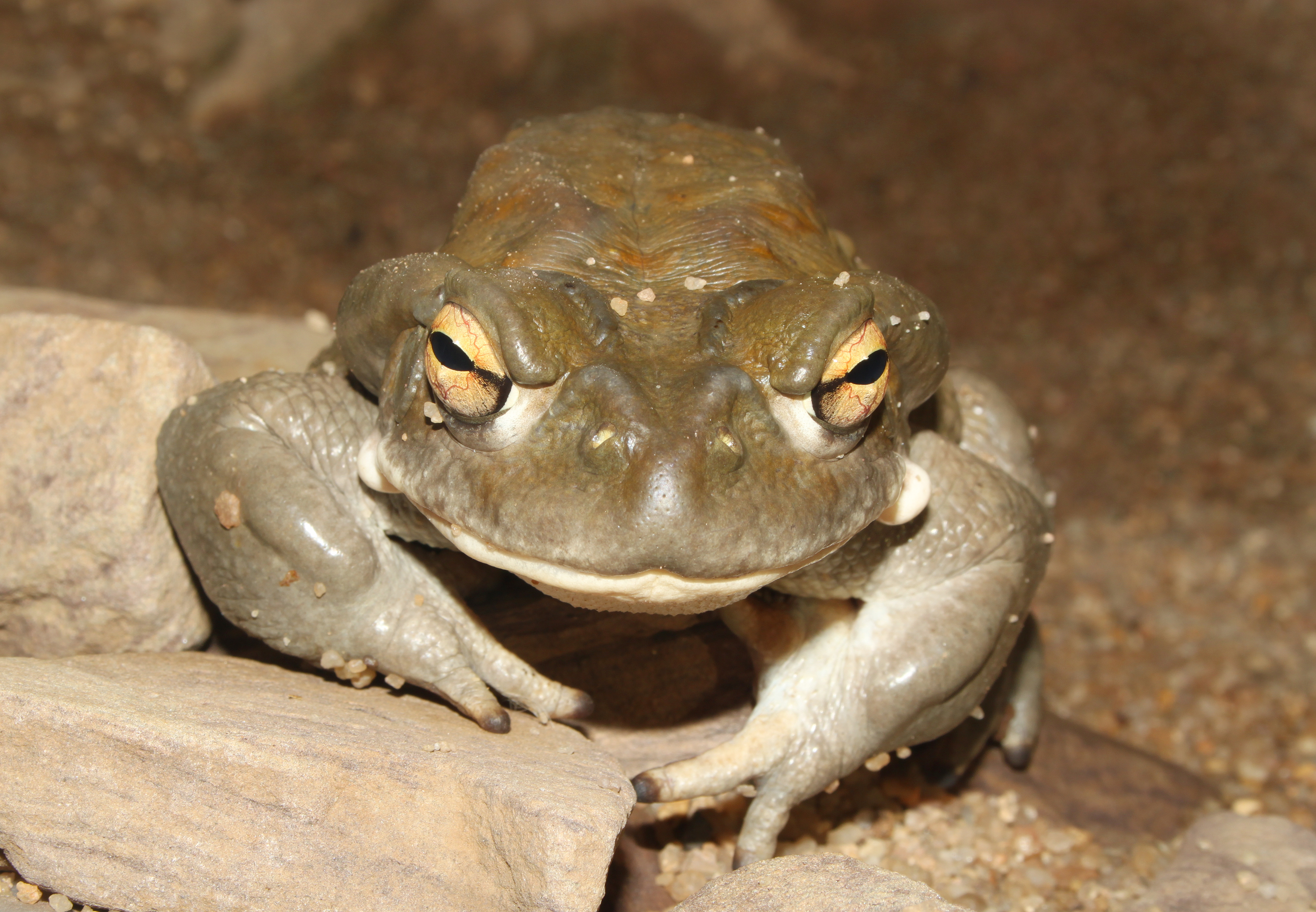
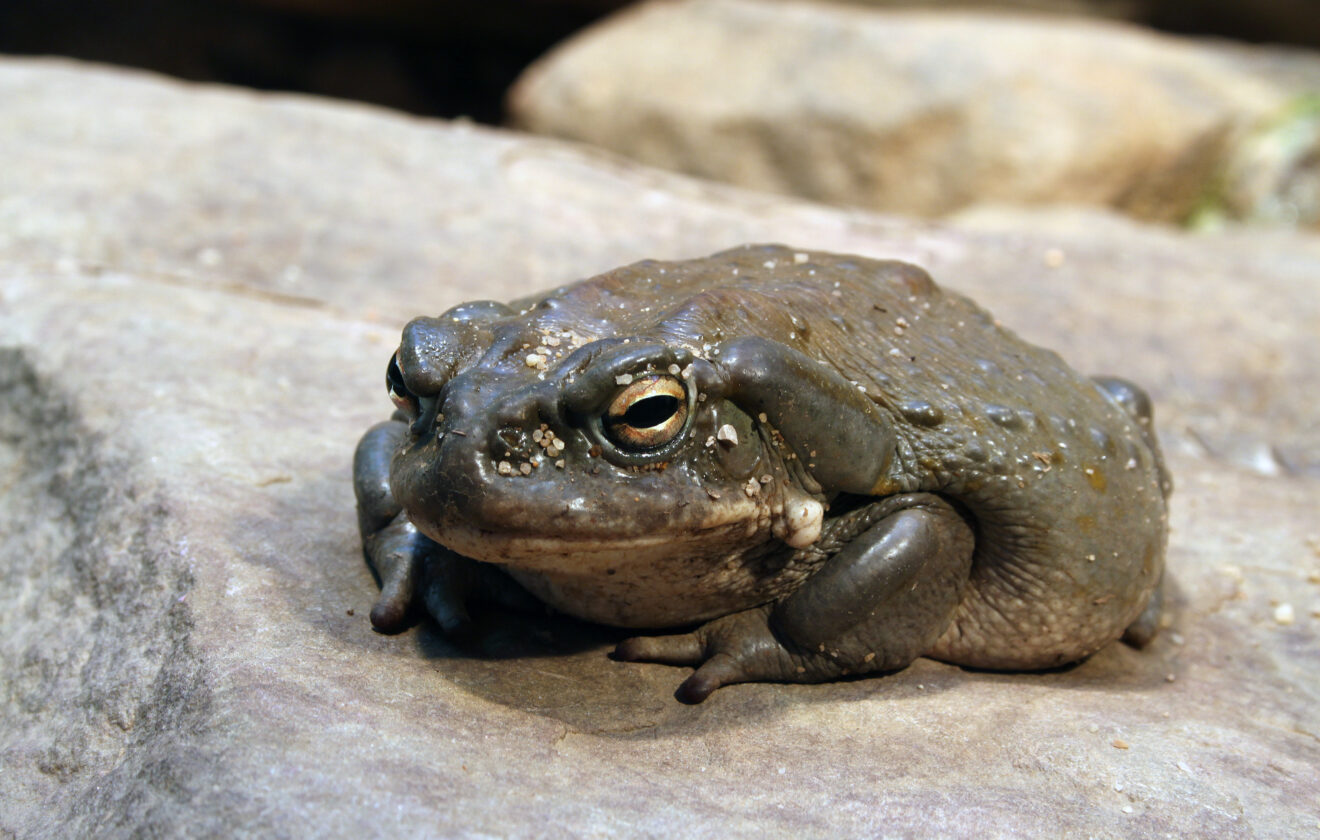
In the cool shadows cast by mesquite trees and amid the twilight chorus of desert dwellers, the Incilius alvarius, better known as the Colorado River Toad or the Sonoran Desert Toad, emerges from its daytime hideaways. Found primarily in the arid expanses of the southwestern United States and northwestern Mexico, this large, robust amphibian has intrigued both scientists and nature admirers alike with its unusual biology, powerful defensive toxins, and distinctive ecological adaptations.
While many associate deserts only with deprivation, Incilius alvarius thrives there, reflecting nature’s endless ingenuity and adaptability. Indeed, its exceptional resilience is matched by a surprising secret: it is among the few amphibians worldwide capable of producing potent psychoactive compounds. Beyond its biological uniqueness, the Colorado River Toad serves as a crucial indicator species in desert ecosystems, alerting ecologists to environmental changes and helping maintain the delicate balance of its habitat.
Taxonomy and Classification#
The Colorado River Toad, scientifically named Incilius alvarius, is a member of the Bufonidae family, commonly referred to as the true toads family. Initially classified as Bufo alvarius, recent taxonomic revisions have shifted its placement to the genus Incilius, though many sources still use its legacy name interchangeably.
This species was first described scientifically in 1859 by naturalist Charles Girard. Closely related taxa within the Incilius genus include several Central American toads, characterized by their glandular skin, pronounced parotoid glands behind their eyes, and terrestrial nature. Yet, the Colorado River Toad maintains a fascinating niche among its cousins, distinguishing itself due to its unique biochemical profile and ecological behaviors.
Natural Habitat: Life in the Harsh Desert Landscape#
The Colorado River Toad calls the Southwestern parts of the United States and northwestern Mexico home, primarily inhabiting areas of Arizona, New Mexico, southern California, and extending down into the Sonoran Desert ecosystem of Mexico. Inhabiting predominantly arid to semi-arid environments, Incilius alvarius has evolved extraordinary abilities to survive and thrive in harsh, seemingly inhospitable terrains.
Choosing Refuge in the Desert’s Margins#
These resilient amphibians prioritize areas near watercourses, ephemeral desert streams, seasonal ponds, and oasis-like microhabitats, making use of cover provided by rocks, vegetation, or crumbly soil. During the intense daytime heat, Colorado River Toads remain sheltered underground or tucked in crevices, emerging at twilight after summer rains when fresh moisture rejuvenates their world.
The monsoon season of the Southwest is a remarkable time of revival for these amphibians—parched channels fill with life-giving water, painting the desert canvas with surprising hues of greenery. It is during these moments that the Colorado River Toad embarks on its critical reproductive rituals, seizing this narrow window of environmental reliability.
Physical Characteristics: A Creature of Striking Form and Function#
As one of the largest amphibians native to North America, Incilius alvarius measures between 10 to 19 centimeters (roughly 4 to 7.5 inches) in length. Robust and powerfully built, it possesses a clear muscular body, hefty limbs adapted for efficient digging, and a conspicuously large head with pronounced, crescent-shaped parotoid glands trailing behind each eye.
Its rough, pustular skin, varying in color from olive-brown to deep green-gray, provides camouflage against the sandy or rocky desert landscapes. Their coloration often matches the surrounding terrain remarkably well, shielding them from predatory eyes. The underside is typically cream-colored, occasionally punctuated with darker spots.
A Potent Defense: The Parotoid Glands#
Perhaps the most fascinating anatomical feature is its large parotoid glands, strategically situated above and behind the eyes. These glands secrete a potent pharmacological cocktail, the most famous component being the psychoactive compound 5-MeO-DMT (5-methoxy-N,N-dimethyltryptamine). The toxin’s potency acts as an effective deterrent against predators. This has made the toad known, though controversially, in various cultural contexts for spiritual and ceremonial use.
Behavior and Life Cycle: Mastering Desert Survival#
Colorado River Toads exhibit primarily nocturnal behavior, emerging to forage and breed after rainfall events. Their activity levels closely correlate with moisture availability, as periods following rainfall stimulate breeding, feeding, and general movement.
A Varied Diet in a Season of Plenty#
This toad is an opportunistic carnivore, croaking into the darkness and taking full advantage of the sudden emergence of prey during rain-soaked nights. With its powerful jaw and sticky tongue, Incilius alvarius feeds voraciously on insects, arachnids, small rodents, reptiles, other amphibians, and occasional carrion. This adaptability is a cornerstone of its survival strategy, efficiently replenishing energy reserves after prolonged periods of dormancy.
Reproduction and Offspring Development#
In alignment with seasonal rains, Incilius alvarius engages in a vibrant but brief mating period. Males emit deep, resonant croaking calls at temporary breeding pools, their vocalizations echoing eerily across the desert night. Females select mates based on vocal vigor, after which external fertilization typically takes place in or near bodies of water.
Eggs are laid in gelatinous strings, each clutch housing thousands of eggs. Tadpole development is rapid, harnessing the limited water sources before evaporation. Hatchlings metamorphose rapidly into juvenile toads. Such swift developmental timelines are essential for survival in a habitat where water and resources vanish overnight, obliging these amphibians to complete critical growth stages at unprecedented speeds.
Ecological Role: Guardians of Desert Biodiversity#
As predators, Colorado River Toads significantly impact invertebrate populations, regulating populations of insects implicated in ecosystem imbalances, such as outbreaks of locusts or mosquitoes. As prey species, they also supplement the diets of larger predators, including snakes, birds of prey, and mammalian carnivores, contributing to desert food webs’ intricate dependencies.
More significantly, their sensitivity to habitat degradation positions them as vital biological indicators. Alterations in toad populations provide scientists with clues to multiple underlying environmental stressors—chemical pollutants, water quality changes, climate anomalies—and help guide critical conservation efforts.
Threats and Conservation Status: Navigating Modern Challenges#
Currently classified as “Least Concern” on the IUCN Red List, Incilius alvarius fortunately persists across a relatively stable population range. However, conservationists remain vigilant, as the multifaceted pressures of habitat loss from urbanization, agricultural expansion, pollution from fertilizers and pesticides, climate change, and sporadic collection are continuous concerns.
Additionally, the species faces challenges arising from misconceptions related to its powerful psychoactive properties, occasionally prompting illegal collection or harmful exploitation. Protective measures, public education campaigns, and rigorous habitat management can help avoid escalation of potential threats, ensuring future sustainability and biodiversity.
Cultural and Scientific Significance: An Amphibian of Many Identities#
The Colorado River Toad holds dual significance, culturally revered by indigenous peoples of the Sonoran Desert, historically utilized in ceremonial rituals related to healing and spiritual exploration. Recent international interest in the psychoactive properties of its toxins further highlights ethical discussions around sustainable use and conservation obligations.
From a scientific perspective, these same bioactive substances present exciting opportunities for pharmacological research. Potential therapeutic applications such as mental health treatments related to anxiety, depression, and PTSD remain under serious investigation, though ethical considerations involving wildlife protection are paramount.
Conclusion: Preserving a Treasure of Desert Biodiversity#
Amidst shimmering sands and nocturnal desert harmonies, Incilius alvarius is undeniably a marvel of evolutionary design, resilience, and ecological complexity. Its ability to survive—and even thrive—in one of North America’s harshest environments serves as a testimony to life’s stunning adaptability. As both ecological indicator and cultural symbol, this unique amphibian reflects our interconnectedness with nature and underscores conservation’s essential role in protecting such remarkable species.
By recognizing and respecting the Colorado River Toad’s delicate balance within desert ecosystems, we preserve not only a fascinating amphibian but a piece of our world’s tapestry. Learning, supporting local conservation efforts, and responsibly appreciating nature ensure this iconic species’ continued existence amidst shifting environmental landscapes. The survival of Incilius alvarius, after all, mirrors our own collective relationship with the natural world around us.