- Duttaphrynus totol: Discovering the Hidden Marvel of Amphibian Diversity
- Taxonomy and Classification: Understanding the Totol Toad's Place in Nature
- Natural Habitat: Embracing a Secret Life Beneath Leafy Canopies
- Physical Characteristics: Nature's Masterpiece of Camouflage and Adaptation
- Behavior and Life Cycle: The Quiet Symphony of Amphibian Existence
- Ecological Role: The Small but Mighty Totol Toad
- Threats and Conservation Status: Protecting a Fragile Existence
- Cultural and Scientific Significance: Bridging Knowledge and Nature
- Conclusion: Celebrating and Conserving the Totol Toad
Duttaphrynus totol: Discovering the Hidden Marvel of Amphibian Diversity#
Deep in the subtropical and tropical forests of Asia, nestled quietly among leaf litter and rocky streams, lives a fascinating yet seldom-seen amphibian—the Totol Toad, scientifically known as Duttaphrynus totol. Its unobtrusive color patterns and secretive habits make it relatively unknown even among avid nature lovers. Yet, beneath its modest exterior lies a captivating story of ecological adaptation, survival, and a fragile existence threatened by human impact. Join us as we delve into the mysterious world of Duttaphrynus totol, illuminating the biology, ecology, conservation, and cultural significance of this remarkable toad species.
Taxonomy and Classification: Understanding the Totol Toad’s Place in Nature#
Duttaphrynus totol belongs to the Bufonidae family, a diverse group known colloquially as ‘true toads.’ Within this family, the genus Duttaphrynus distinguishes itself by comprising species adapted specifically to the warm climates of South and Southeast Asia. Originally classified within the expansive Bufo genus, molecular studies led to refining classifications, placing our elusive toad firmly within Duttaphrynus.
Closely related species within this genus include the widespread Duttaphrynus melanostictus (Asian common toad) and several other regional endemics. While related to these more common relatives, Duttaphrynus totol‘s unique physical and behavioral adaptations set it significantly apart, underscoring the fascinating diversity scientists continue to explore within amphibian classification.
Natural Habitat: Embracing a Secret Life Beneath Leafy Canopies#
Duttaphrynus totol inhabits subtropical and tropical forests, primarily in India, Bangladesh, and surrounding regions of South Asia. Here, the dense canopy casts shadows over a lush, moisture-rich understory. It’s within this cool, humid environment that our elusive amphibian thrives, yet remains largely hidden from casual observers. The species prefers habitats near gently flowing streams or damp leaf litter, places that offer excellent camouflage, plentiful prey, and stable humidity—a vital combination that ensures its survival.
The presence of gently running waters not only supports breeding but also regulates temperature and humidity fluctuations within its delicate habitat. Rocks and decaying logs frequently provide daytime refuge for the toad, shielding it from predators and harsh sunlight. When night arrives, Duttaphrynus totol emerges quietly, navigating the damp forest ground to hunt and socialize, subtly orchestrating an essential and profound ecological balance within its home ecosystem.
Physical Characteristics: Nature’s Masterpiece of Camouflage and Adaptation#
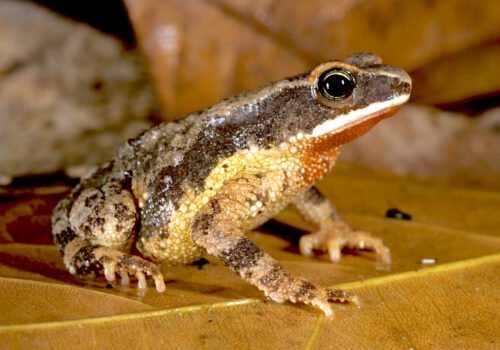
The Totol Toad may appear plain at a glance, but a closer look reveals fascinating intricacies. Typically, adults measure between 50 to 75 millimeters in length, making them modest-sized toads. Their skin, covered with characteristic bumps and small glands, exudes a defensive secretion that deters predators—a survival strategy shared with many bufonids.
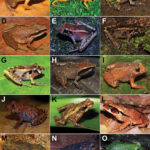
Yet what truly stands out is their subtle patterning: earth-toned hues of browns, olives, and tans, splashed occasionally with darker irregular spots, perfectly match the forest floor litter. This impeccable camouflage allows Duttaphrynus totol to evade various predators such as snakes, birds, and small mammals. The species’ eyes, large and protruding, are ideally adapted for nocturnal activity, efficiently collecting minimal available light during its nighttime foraging adventures. Additionally, webbing between the toes is partial, suited effectively for the humid terrestrial habitat while allowing short watery excursions necessary for reproduction.
Behavior and Life Cycle: The Quiet Symphony of Amphibian Existence#
Nocturnal Wanderers: Feeding and Foraging Habits#
When darkness envelops the forest, this unassuming toad awakens from its daytime hideout to begin a meticulous nightly routine. Their diet primarily consists of insects, spiders, and small invertebrates. Utilizing agile yet careful movements, the Totol Toad patiently stalks prey, its long, sticky tongue ready to snap insects mid-leap with remarkable speed and precision. This nightly feeding ritual is not only essential for their survival but also contributes substantially to controlling insect populations, underscoring their ecological importance.
Courting and Reproduction: Breeding Beneath the Moonlight#
The arrival of monsoon rains marks a significant shift in the behavior of Duttaphrynus totol. Triggered by seasonal rainfall patterns, adults congregate around shallow streams and temporary ponds for mating. Male toads attract potential mates with rhythmic, melodious calls that reverberate gently through the humid night. These mating choruses create a serene soundscape—nature’s own nocturnal symphony—enchanting yet easily missed by human ears.
Females, upon choosing suitable mates, deposit long strings of eggs into these temporary waters. The subsequent weeks see eggs developing into small tadpoles, equipped with adaptations for rapid growth in unstable environments. Eventually, tadpoles grow limbs, develop lungs, and leave water bodies as small toadlets ready to commence the terrestrial chapter of their lives. The vulnerability during this transition period makes them highly susceptible to predation, yet despite the odds, enough individuals persist, ensuring future generations survive and thrive.
Ecological Role: The Small but Mighty Totol Toad#
Though seeming inconspicuous, Duttaphrynus totol occupies a crucial niche within its ecosystem. By managing invertebrate populations, this amphibian helps maintain balance, preventing potential outbreaks that could endanger plant life or other animal species reliant on delicate forest dynamics. Additionally, the species serves as an important prey item within the food web. Snakes, birds, and small mammals depend upon sustainable populations of amphibians like this to sustain themselves, highlighting the interconnectedness of life within these forest ecosystems.
Moreover, this species’ sensitivity to environmental changes positions it as an important indicator organism. Scientists and conservationists closely monitor populations of amphibians such as the Totol Toad as barometers of ecosystem health, signaling early warning signs of environmental degradation, climate change impacts, and habitat disruption well before they become more broadly apparent.
Threats and Conservation Status: Protecting a Fragile Existence#
Despite its ecological importance, the Totol Toad faces several conservation threats. Habitat destruction driven by deforestation, infrastructure development, agricultural expansion, and human encroachment pose critical risks. Pesticide and pollution runoff contaminate breeding ponds and forest floors, significantly diminishing reproductive success and survival rates.
Though currently unlisted within global evaluations such as the IUCN Red List (due to insufficient widespread data), local population declines suggest potential areas of concern. Conservationists and researchers emphasize the pressing need for habitat protection and management plans tailored explicitly toward maintaining subtropical and tropical forest ecosystems—efforts vital not only for the Totol Toad but numerous other vulnerable species sharing their delicate home.
Cultural and Scientific Significance: Bridging Knowledge and Nature#
In regions surrounding India’s forests, amphibians have historically held cultural and symbolic importance. While the Totol Toad itself hasn’t prominently figured within mythology as prominently as some larger amphibians or reptiles, it nonetheless plays an important role in cultural narratives highlighting symbiotic relationships within nature.
Scientifically, the species contributes valuable insights into evolutionary biology, ecology, and biochemistry. Studies of defensive secretions present potential opportunities in medical science, pharmacology, and toxin research, opening doors to beneficial medical discoveries capable of helping humanity. With amphibian populations worldwide declining at alarming rates, understanding and appreciating lesser-known amphibians such as Duttaphrynus totol may prove key to broader conservation victories.
Conclusion: Celebrating and Conserving the Totol Toad#
The Totol Toad, hidden and modest yet brilliant in adaptation and ecological influence, illustrates beautifully the unseen tapestry of biodiversity all around us. It invites us, nature enthusiasts, students, scientists, and citizens, to acknowledge and celebrate not just iconic species but every organism contributing to our vibrant, shared planet. Let us commit ourselves to the conservation of the Totol Toad and its delicate habitat, proudly championing the subtle wonders hiding around each grassy corner or beneath each shade-dappled leaf.
Join us in this journey of appreciation and action—learn more about local wildlife, support habitat preservation initiatives, and carry forward this newfound respect into your community and conversations. Together, we can ensure the quiet croaking melody of the Totol Toad continues joyfully echoing through the forests it calls home.