- Duttaphrynus sumatranus: Uncovering the Secrets of Sumatra's Enigmatic Amphibian
- Taxonomy and Classification: A Toad Amongst Frogs
- Natural Habitat: The Rainforests and Streams of Sumatra
- Physical Characteristics: A Study in Camouflage and Survival
- Behavior and Life Cycle: The Secret Lives of Toads
- Ecological Role: An Integral Component of Forest Biodiversity
- Threats and Conservation Status: Safeguarding Sumatra’s Hidden Treasure
- Cultural and Scientific Significance: Beyond Biology
- Conclusion: A Call to Conservation Action
Duttaphrynus sumatranus: Uncovering the Secrets of Sumatra’s Enigmatic Amphibian#
Under the dense, humid canopy of Sumatra’s lush rainforests, a secretive nocturnal chorus reverberates through the pristine night air. Amid the symphony of chirping insects and rustling foliage lies a frog seldom spotted yet intriguingly captivating—the Sumatra Toad, scientifically known as Duttaphrynus sumatranus. A fascinating amphibian living mostly out of sight, this species embodies the delicate equilibrium of tropical ecosystems and serves as an eloquent reminder of nature’s intricate artistry.
Yet, despite its intriguing behaviors and ecological importance, Duttaphrynus sumatranus remains relatively understudied and mysterious. Through this immersive journey, we invite you deep into its rainforest refuge, illuminating the evolution, ecology, behaviors, and conservation threats confronting this remarkable amphibian.
Taxonomy and Classification: A Toad Amongst Frogs#
The Sumatra Toad, Duttaphrynus sumatranus, belongs to the Bufonidae family, known colloquially as the “true toads.” Within this diverse and globally distributed family, the genus Duttaphrynus comprises species primarily residing across Asia, showcasing remarkable adaptations to diverse ecosystems—from dense rainforests to urbanized landscapes.
Though once classified within the genus Bufo, recent genetic analyses have crystallized scientists’ understanding of its lineage, placing it firmly within Duttaphrynus. Its closest relatives are a fascinating mosaic of species scattered across India, Southeast Asia, and the Indonesian archipelago, illustrating an evolutionary tapestry woven through millions of years of biogeographic history.
Natural Habitat: The Rainforests and Streams of Sumatra#
The island of Sumatra—with its dense jungles, precipitous mountains, and crystal-clear rivers—provides the idyllic backdrop for the Sumatra Toad. Duttaphrynus sumatranus has evolved to thrive amidst lush vegetation near freshwater streams, moist lowland forests, and occasionally, forest edges where human activity begins.
Rainforest Canopy and Forest Floor: An Amphibian’s Paradise#
Each evening after the sun slips beneath the horizon, Duttaphrynus sumatranus emerges cautiously from leaf litter hiding spots or shallow burrows. The damp carpet of decay and lush undergrowth provides a smorgasbord for this nocturnal predator, teeming with insects and small invertebrates. The still air hums with humidity, forming the perfect microclimate for its permeable amphibian skin, allowing vital moisture absorption throughout its nightly activities.
In habitats relatively undisturbed by human influence, these toads flourish, harmonizing seamlessly within the rainforest’s web of life. Yet they showcase admirable adaptability, occasionally spotted near human-modified environments, hinting at resilient behavior in the face of environmental changes.
Physical Characteristics: A Study in Camouflage and Survival#
The physical form of Duttaphrynus sumatranus has undergone the sculpting influence of evolutionary pressure over countless generations, molding it into a masterful example of survival-based design. Medium-sized compared to fellow Bufonids, adults typically measure between 50-80 millimeters, their sturdy limbs adeptly adapted to navigating the dense foliage-covered substrate.
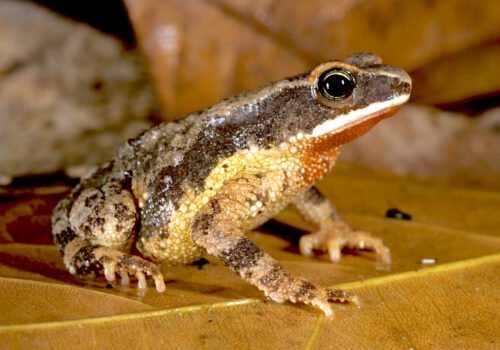
The toad displays an exquisite camouflage, characterized by a mosaic of earthy browns, olive greens, and occasionally, subtle orange hues that mimic the mottled forest floor beneath it. Its skin is wrinkled and rugged, marked by warts functioning not only as sensory organelles but also playing critical roles in secreting defensive toxins. Small raised glands behind their eyes called parotoid glands are particularly prominent, serving as efficient toxin-secreting sites to deter predators.
An Evolutionary Masterpiece of Defense#
These toxins serve as a first line of defense against myriad rainforest predators—from voracious birds of prey to agile snakes lurking amid dense vegetation. The potency and composition of the toxins vary, a testament to the evolutionary ‘arms race’ between predator and prey. This sophisticated defensive adaptation highlights millions of years in the making, ensuring these modestly sized amphibians continue their clandestine lives in relative peace.
Behavior and Life Cycle: The Secret Lives of Toads#
The Sumatra Toad’s discreet lifestyle means that much about its specific behaviors remains cloaked in mystery. Yet careful observation has provided researchers and naturalists precious glimpses into its fascinating existence. Primarily nocturnal, their activities begin at twilight—a strategic decision that reduces evapo-transpirational water loss under the equatorial sun and decreases visibility to predators.
Dietary Habits and Predatory Strategies#
Glancing beneath a patch of leaf litter, keen eyes may observe a Sumatra Toad poised in perfect stillness, save for subtle rhythmic breathing. As an ambush predator, patience defines its hunting strategy. With impeccable timing and lighting-fast reflexes, it strikes at unsuspecting insects, spiders, beetles, and occasionally earthworms, using its dextrous, sticky tongue to trap the prey instantaneously.
Mating Calls and Reproductive Wonders#
Come breeding season—generally synchronized with the arrival of monsoon rains—the evenings reverberate with distinctive mating calls, a resonant chorus that signals courtship rituals have begun. Males gather at shallow pools or slow-moving streams, inflating specialized vocal sacs to amplify their signature croaks, an amphitheater performance designed to enchant discerning female toads nearby.
Once attracted, the female carefully selects her mate, resulting in a unique courtship embrace called amplexus. Through external fertilization, fertilized eggs scatter in gelatinous clusters adhered to available vegetation submerged underwater. Days later, thousands of tiny tadpoles hatch, commencing their fascinating metamorphic journey from agile swimmers to terrestrial hunters—a prestigious rite of passage symbolizing life’s spectacular transformations.
Ecological Role: An Integral Component of Forest Biodiversity#
In the tropical rainforests of Sumatra, each organism contributes to the delicate balance of life. Duttaphrynus sumatranus serves multiple significant ecological functions within this intricate system. Acting as predators, these toads play an essential role in insect population control, regulating potential pest species that could jeopardize forest health.
Conversely, as prey themselves, these amphibians provide nourishment for an array of rainforest predators such as snakes, birds, and mammals—highlighting their crucial placement in the food web.
An Indicator Species of Forest Health#
Perhaps most importantly, amphibians like Duttaphrynus sumatranus act as biological barometers. Their semi-permeable skins make them exceptionally sensitive to environmental changes, such as pollution, climate variability, and habitat degradation. Consequently, declines or population fluctuations provide immediate indicators of ecological distress, informing conservation practices and ecosystem management strategies.
Threats and Conservation Status: Safeguarding Sumatra’s Hidden Treasure#
While Duttaphrynus sumatranus maintains a degree of agility in adapting to changing habitats, their populations have faced significant pressures from rapid deforestation, urban expansion, and agricultural development within Sumatra. The loss and fragmentation of their delicate rainforest habitats pose critical threats, reducing breeding grounds and limiting opportunities for genetic exchange among isolated populations.
Moreover, environmental contamination from pesticides and herbicides presents another ominous challenge, as these amphibians’ delicate skin readily absorbs pollutants, causing long-term detrimental effects to reproductive health and survival rates.
Although the species currently maintains a status of “Least Concern” by the IUCN, vigilance is crucial, especially given the rapid acceleration of habitat loss across Southeast Asia. Conservation actions including habitat protection, ecosystem restoration efforts, and rigorous pollution control measures remain vital.
Cultural and Scientific Significance: Beyond Biology#
Culturally, amphibians like the Sumatra Toad often play subtle but meaningful roles within local folklore and traditions. Although not widely featured in elaborate myths, villages across rural Sumatra recognize the importance of preserving biodiversity, viewing amphibians as signals for environmental wellness.
Scientifically, studies on Duttaphrynus sumatranus and related species contribute insights into amphibian toxins, ecological connectivity, and climate change impacts. Such knowledge not only enriches our biological understanding but also has broader implications for pharmacological research and environmental conservation efforts.
Conclusion: A Call to Conservation Action#
Duttaphrynus sumatranus, often unnoticed beneath the verdant canopy, quietly embodies the wonder, complexity, and fragility of life within Sumatra’s forest ecosystems. Preserving its habitat and safeguarding its populations enriches biodiversity and ensures ecosystems remain resilient for generations to come.
As stewards of the natural world, our appreciation, curiosity, and advocacy can make all the difference. By committing ourselves to thoughtful conservation actions and sustainable environmental practices, we protect not just the enigmatic Sumatra Toad—but the mesmerizing mosaic of life that defines our shared planet.