Duttaphrynus stuarti: The Enigmatic Amphibian of South Asian Forests#
Introduction#
Deep within the lush, shadowy landscapes of the tropical forests of South Asia dwells an inconspicuous but remarkably captivating little frog—the Stuart’s Toad, scientifically named Duttaphrynus stuarti. Often overlooked amidst the vibrant biodiversity of the region, this intriguing amphibian harbors secrets vital to understanding the delicate ecological balance of its environment. Unlike the flamboyant or famously toxic frogs we often imagine inhabiting tropical jungles, Duttaphrynus stuarti charms through subtle elegance, curious behaviors, and an essential ecological role awaiting thorough exploration.
Named after distinguished herpetologist Laurence Stuart, who dedicated much of his life to unearthing the complex biodiversity of Asian amphibians, the Stuart’s Toad exemplifies nature’s fascinating ingenuity. Its muted colors and cryptic behaviors contribute to its mysterious allure, intriguing scientists, nature enthusiasts, and conservationists alike. Journey along with us as we immerse ourselves in the captivating story of this lesser-known yet fascinating amphibian.
Taxonomy and Classification#
Belonging to the expansive amphibian family Bufonidae—commonly identified as “true toads”—Duttaphrynus stuarti aligns within a diverse genus known for their terrestrial habitats and adaptive resilience. Within Bufonidae, the genus Duttaphrynus is widely distributed across Asia, harboring species uniquely adapted to various climates and ecological niches.
First scientifically described by eminent herpetologists Smith and Taylor in 1950, Stuart’s Toad has long captivated researchers seeking to unravel the complex evolutionary relations within Bufonidae. Closely related species in its genus include the Common Asian Toad (Duttaphrynus melanostictus) and the Malabar Torrent Toad (Duttaphrynus parietalis), each sharing ecological robustness yet differing notably in habitat preferences and behavior.
Natural Habitat#
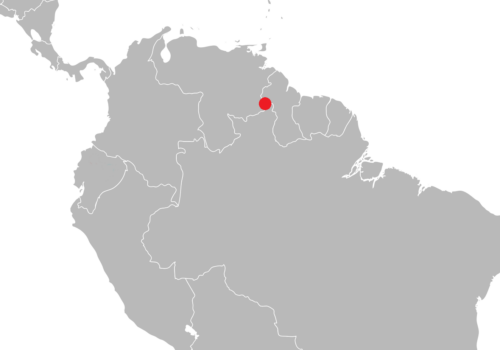
The distribution of Duttaphrynus stuarti is characteristically confined to select tropical and subtropical forests primarily in northeastern India, Bangladesh, and parts of Myanmar. Flourishing in biodiversity hotspots, such as evergreen forests, subtropical woodlands, and near-stream vegetations, Stuart’s Toad epitomizes the adaptation of amphibians to tropical climates marked by humidity, abundant rainfall, and resource-rich terrestrial microhabitats.
Within its chosen environment, this elusive species usually inhabits shaded forest floors, often choosing moisture-rich leaf litter or hidden crevices beneath logs, rocks, and even dense underbrush to escape the heat and evade predators. Such strategic habitat selection serves a dual purpose—not only offering security but also granting access to a steady supply of small invertebrate prey like beetles, ants, and spiders that thrive in similar microenvironments.
Physical Characteristics#
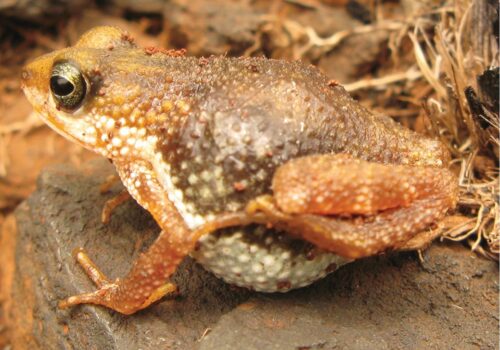
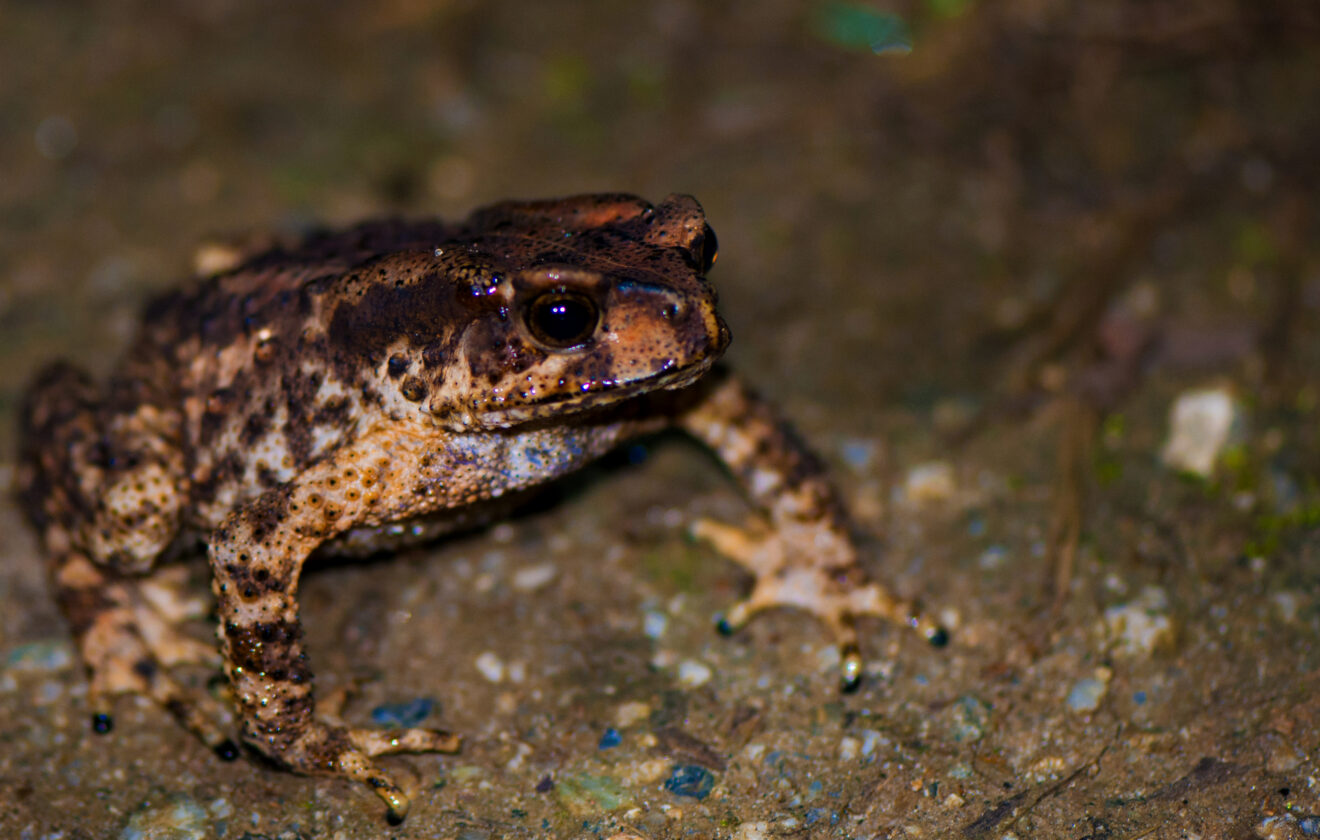
At first glance, Stuart’s Toad reveals the true wonder of nature’s subtle designs. Averaging a modest size of approximately 50 to 70 mm (around 2 to 2.8 inches), these frogs exhibit a rugged yet delicate build, equipped to gracefully navigate the dense undergrowth of their home. Their broader, rounded snouts blend seamlessly with stout bodies covered by warty skin textured finely to match their surroundings—nature’s remarkable gift of camouflage.
Coloration varies subtly from shades of earthy browns and olive greens to faint greyish motifs, providing excellent concealment amidst fallen leaves, rocks, and forest litter. Occasionally, individuals display dark marblings, blemishes, or spots enhancing camouflage. These cryptic markings serve not merely aesthetic beauty; they act as sophisticated adaptations developed over millennia to elude observers—both predatory and human.
Eyes situated prominently above the head grant excellent vision for its nocturnal hunts. The posterior limbs, robust yet proportionate, facilitate cautious movements and short, powerful leaps to evade danger swiftly. Such physical traits exemplify amphibian adaptation, reflecting evolutionary pressures sculpting a species fine-tuned to thrive within one of Earth’s most vibrant and complex ecosystems.
Behavior and Life Cycle#
Feeding Habits#
As darkness falls over the tropical forest floors, Stuart’s Toad emerges cautiously from daytime rest to embark upon nocturnal forays. Equipped with acute senses perfectly suited to nighttime hunting, these diligent amphibians skillfully stalk the labyrinthine terrain for nourishment. Stuart’s Toad possesses a notably opportunistic diet, predominantly consuming ants, termites, beetles, spiders, and other tiny arthropods abundant in the humid leaf litter.
Breeding and Reproduction#
The onset of monsoon rains triggers a dramatic shift in Stuart’s Toad behavior. Rainfall stimulates their yearly migration towards freshwater breeding sites, joining other members of their species in remarkable congregations. Males vocalize distinctive melancholic calls that resonate through humid nights—calls serving both to proclaim territories and to charm potential mates.
Following successful courtship, eggs are laid in strings amid shallow, slow-moving waters. Over weeks, these delicate black dots metamorphose through profound transformations—from aquatic tadpole life stages featuring tail-bearing larvae with gill respiration to terrestrial-hopping juveniles. The intricately orchestrated life-cycle illustrates amphibians’ profound evolutionary adaptation to alternate between aquatic and terrestrial realms with natural elegance.
Ecological Role#
In ecosystems saturated with remarkable biodiversity, Stuart’s Toad quietly performs critical roles often unseen but deeply impactful. Serving simultaneously as predator and prey, it maintains balance by consuming vast quantities of insects, effectively regulating populations of invertebrates that might otherwise overcrowd or disrupt delicate ecosystems.
Conversely, the frogs themselves become valuable prey. Birds, snakes, mammals, and larger amphibians frequently feed upon them, creating a significant component within complex food webs linking multiple trophic levels. Furthermore, as indicators of environmental quality, Stuart’s Toads serve as natural biological barometers, with fluctuations in their numbers offering signals of habitat health or degradation.
Threats and Conservation Status#
Despite its adaptability, Stuart’s Toad faces a suite of threats characteristic of tropical amphibians globally. Habitat destruction remains its most considerable challenge, driven largely by deforestation, logging activities, agriculture, infrastructure expansion, and unchecked urban sprawl. The accompanying human-driven intrusion destabilizes delicate forest microenvironments crucial to amphibian survival.
Moreover, emerging threats such as the global spread of chytrid fungus (Batrachochytrium dendrobatidis), climate change effects altering rainfall patterns, and pollution further compound survival challenges. Yet, robust data regarding current population trends remain sparse, leading the International Union for Conservation of Nature (IUCN) to currently designate Duttaphrynus stuarti as “Least Concern,” primarily due to uncertainties surrounding the species. Continued ecological monitoring, field assessments, and habitat conservation practices remain vital priorities in ensuring its enduring survival.
Cultural and Scientific Significance#
Though lesser-known compared to iconic creatures typically spotlighted within culture, Stuart’s Toad garners increasing recognition in scientific communities. Strategic research surrounding its tolerance to tropical habitat disturbances may provide essential insights into ecosystem resilience, amphibian disease resistance, and broader ecological health indicators applicable universally.
Moreover, local traditions in regions inhabited by Stuart’s Toad often hold amphibians in respect, regarding their presence as indicators of good fortune or healthy landscapes—a symbolic harmony between human communities and wildlife deserving continued celebration and awareness.
Conclusion#
In forests shrouded by mists and dense foliage, the subtle presence of Duttaphrynus stuarti underscores life’s quiet beauty, resilience, and complexity. Far more than a mere frog lurking unseen beneath leaves, Stuart’s Toad symbolizes adaptive brilliance, ecological harmony, and the urgency for heightened conservation stewardship.
As our understanding of these inconspicuous forest residents deepens, greater appreciation forms—strengthening our resolve towards conserving biodiversity-rich landscapes. With ecosystems depending on even their smallest members, learning, understanding, and safeguarding Stuart’s Toad becomes imperative. Let their quiet wilderness guide us to responsible coexistence with nature’s wondrous tapestry.