- Duttaphrynus noellerti: Secrets of the African Toad That Thrives in Plain Sight
Duttaphrynus noellerti: Secrets of the African Toad That Thrives in Plain Sight#
In the lush green valleys and rustling leaf litter of West Africa thrives a frog whose subtlety is its charm, whose intricate biology is its brilliance, and whose quiet existence has captivated herpetologists and nature lovers alike. Meet Duttaphrynus noellerti, commonly known as Noellert’s toad, a fascinating species that embodies the delicate balance of adaptation, resilience, and ecological importance. Possessing a unique combination of features and behaviors, this elusive amphibian highlights the hidden beauty of subtropical ecosystems and underscores the urgency of conservation efforts in its habitat.
Though not dramatically vibrant nor as miniature as tree frogs, Duttaphrynus noellerti bears a charisma all of its own—one rooted subtly in its rustic hues and elusive demeanour. Discovered and described in scientific texts relatively recently, this amphibian has quietly carved out its niche in the ecological tapestry of West African ecosystems. As we journey through damp African woodlands and grassy marshes, let us unravel the fascinating life, biology, habitat, and conservation of this captivating animal.
Taxonomy and Classification#
Duttaphrynus noellerti, a species within the Bufonidae family—a group commonly recognized as “true toads”—illustrates the subtle complexity of amphibian diversity. The genus Duttaphrynus consists of various toad species primarily found throughout Africa and southern Asia. This toad was first described scientifically in 1969, and its genus placement evolved as molecular genetic methods illuminated ancient relationships between closely resembling toads across geographic boundaries.
Within its family, Noellert’s toad is closely related to other African and Asian members of Duttaphrynus. However, its distinct genetic makeup, coupled with specific anatomical nuances—ranging from skeletal structures to skin granularity—secures its unique position. The careful study and classification of this toad not only enrich biological understanding but also provide valuable insights into broader biogeographical and evolutionary patterns across amphibians in tropical Africa.
Natural Habitat#
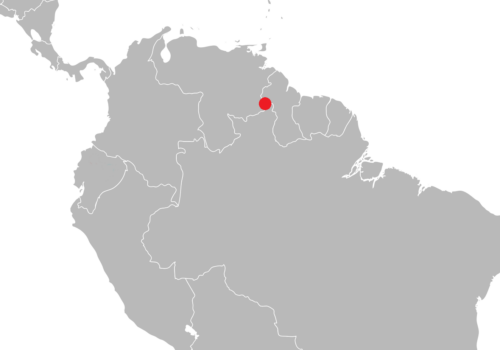
The quiet mastery of Duttaphrynus noellerti lies in its superb adaptation to its natural range in West Africa, primarily inhabiting moist savannas, seasonal grasslands, and marshy floodplains. These regions span territories predominantly in countries such as Nigeria, Cameroon, Togo, Ghana, Ivory Coast and beyond, each providing unique ecological niches conducive to amphibian life. The toad’s distribution is subtly widespread but easily overlooked by casual observers due to its cryptic habits and coloration, emblematic of many ground-dwelling amphibians.
Life Amidst Grass and Seasonal Pools#
Unlike tree-dwelling frogs, Duttaphrynus noellerti prefers terrestrial habitats characterized by seasonal rainfall and standing pools that form vital breeding spots. These temporary aquatic habitats—small pools or flooded grasslands—invite breeding aggregations every rainy season, where the orchestra of toad calls signifies the perpetuation of life. Meanwhile, the surrounding vegetation offers ample refuge, while fallen leaves and forest litter provide vital hiding places, rich foraging territory, and protection from above-ground predators.
Two ecological variables greatly influence its habitat preference: seasonal rainfall patterns that dictate breeding, and vegetative coverage providing shelter, moisture, and food sources. Adapted precisely to this rhythm of wet and dry seasons, Noellert’s toad synchronizes its behaviors with nature’s calendar, thriving within environments that challenge other, less adapted amphibians.
Physical Characteristics#
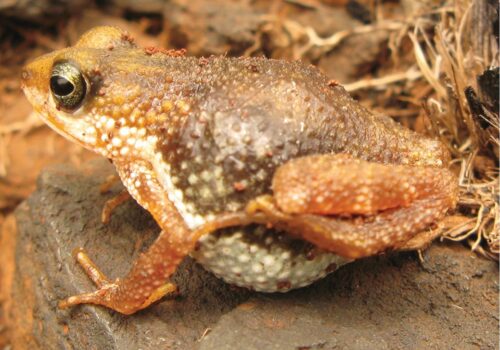
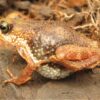
The physical allure of Duttaphrynus noellerti is, perhaps ironically, due to its subtlety rather than overt vibrancy. Adults measure around 5–7 centimeters in length, featuring robust, compact bodies—typically more stout than slender—suited to a lifestyle beneath grass blades and leaf debris. Their short limbs, muscular hind legs, and padded digits help them traverse uneven terrains, facilitating swift leaps and efficient movement through their terrestrial domain.
Coloration That Camouflages#
Characterized by mottled shades of brown, olive grey, and earthy greens, held together by subtle, granular skin textures, this toad attains powerful camouflage. Intricate patterns of dark blotches weave seamlessly into the varied organic textures of the grassland floor, allowing the toad to merge invisibly with leaf litter and soil. Such cryptic coloration is not merely aesthetic—the camouflage serves as first-line protection from visual predators such as birds and reptiles.
Adaptive Features for Survival#
Beyond camouflage, its warty skin contains specialized glands known as parotoid glands, characteristic of many “true toads.” These glands secrete toxins that deter predators, an evolutionary marvel perfected through millennia of selection. Covered densely in numerous tiny warts, Noellert’s toad’s skin reduces evaporation, aiding water retention during hot, dry periods—a superb adaptation for surviving fluctuating African climatic conditions.
Behavior and Life Cycle#
The enchanting behaviors that define Duttaphrynus noellerti tell a complex tale of survival, reproduction, and ecological equilibrium. Mainly nocturnal, these toads spend daytime hours hiding beneath leaves or sheltered inside shallow burrows to escape scorching sun and predation threats. At twilight hours, particularly in wetter months, they emerge silently, patrolling leaf-littered paths in search of nourishment.
Diet and Feeding Habits: Silent Predation#
Noellert’s toad thrives on a diet primarily consisting of insects and small invertebrates, including beetles, ants, termites, and earthworms. Their hunting strategy relies on stillness and vigilance rather than active pursuit, sitting motionless, patiently ambushing prey that ventures too close under cover of darkness. A rapid flick of their sticky tongues, propelled by powerful jaw muscles, and their meal is secured—the nighttime silence broken only by rustling leaves and soft insect noises creating an auditory backdrop for their predation.
A Wet Season Ritual: Breeding and Development#
Cumulative rains signal a time-honored ritual for these toads—breeding season. Male Noellert’s toads congregate around temporary pools, filling the night air with repetitive, throaty calls. These vocalizations not only draw females but also communicate territorial boundaries among competing males. Following successful courtship, females lay strings of gelatinous eggs—often numbering hundreds—which float delicately below the pool’s surface.
Egg development is rapid, garlanded strings transforming into tiny, vigorous tadpoles capable of quickly metamorphosing into juvenile toads. Their quick development is a strategic adaptation to temporary waters, ensuring growth concludes before these pools vanish in the heat of the dry season. Newly metamorphosed juveniles quickly find shelter in surrounding vegetation, carrying forward the endless cycle of life.
Ecological Role#
Beyond its fascinating behavior, the ecological vitality of Duttaphrynus noellerti serves as a critical barometer of environmental health. Amphibians, often sensitive to ecological changes, indicate viable and vibrant ecosystems where they prosper. This species contributes significantly to pest control by consuming substantial insect populations, thereby mitigating outbreaks of certain pests that might otherwise multiply unchecked.
Additionally, Noellert’s toad provides prey for larger predators such as snakes, birds, and small mammals, embodying the universal interdependence intrinsic to ecosystem balance. Every action, from predation to reproduction, reinforces the integral role this toad plays in preserving the delicate equilibrium sustaining biodiversity.
Threats and Conservation Status#
While robust and adaptable, Duttaphrynus noellerti is not immune to broader ecological threats impacting West African habitats. Expanding agriculture, deforestation, urbanization, and unsustainable land use practices threaten their primary habitats. Additionally, climate variability affecting precipitation patterns presents an unpredictable threat to breeding cycles tied closely to rainfall.
Currently listed as Least Concern by the IUCN Red List, the species nevertheless demands continued vigilance. Conservation programs promoting sustainable land management, habitat preservation, and ecological education offer crucial fronts in protecting this fascinating amphibian and the diverse life dependent upon its environment.
Cultural and Scientific Significance#
In local West African cultures, amphibians frequently symbolize fertility, rain, and prosperity. While specifically documented cultural references to Noellert’s toad remain limited, its ecological presence aligns broadly with regional symbolism celebrating water-associated life-bringers.
Scientifically, each amphibian species offers insights into evolutionary biology, toxin biochemistry, and ecosystem function. Ongoing research into species like Duttaphrynus noellerti offers valuable indicators of ecosystem health, climate impacts, and biodiversity trends.
Conclusion: Appreciating the Hidden Charm of Noellert’s Toad#
Understanding and appreciating Duttaphrynus noellerti illuminate the hidden intricacies of ecological interplay. Let us cherish and safeguard such quiet marvels, prompting each of us toward passionate conservation efforts. This small amphibian, subtly tucked beneath leaves and in marshes across Africa, has plenty to teach us about adaptation, resilience, and the interconnected web of life.