- Duttaphrynus mizoramensis: Unlocking the Mysteries of Mizoram's Elusive Amphibian Treasure
- Taxonomy and Classification
- Exploring the Natural Habitat
- Vivid Details: Physical Characteristics
- Behavior and Life Cycle: Quiet Lives of Intrigue
- Ecological Importance and Roles in the Ecosystem
- A Fragile Future: Threats and Conservation Status
- Cultural and Scientific Significance: The Unseen Treasure
- Conclusion: Preserving Mizoram's Little-known Marvel
Duttaphrynus mizoramensis: Unlocking the Mysteries of Mizoram’s Elusive Amphibian Treasure#
Hidden within the lush, verdant forests of northeast India’s Mizoram region lies a species that many may have never heard of—a modest yet resilient amphibian known to science as Duttaphrynus mizoramensis. Discovered relatively recently, this unique toad remains wrapped in mystery, its life unfolding quietly beneath the dense, humid canopy and amidst rustling foliage. Possessing remarkable ecological adaptability and a subtle beauty crafted by evolution, Duttaphrynus mizoramensis stands as a testament to biodiversity’s hidden marvels and the importance of conserving these less-celebrated species.
While frogs and toads have long fascinated humans with their diverse colors, intriguing life cycles, and melodious (or occasionally alarming) serenades, it is often the quieter, less flamboyant species that truly showcase nature’s intricacies. This article peels back the layers, venturing into the foggy mountain forests and shaded forest floors to reveal the compelling, yet understated world of the enigmatic Mizoram Toad.
Taxonomy and Classification#
Duttaphrynus mizoramensis belongs to the Bufonidae family, a globally distributed group of amphibians collectively known as true toads. Within its genus, Duttaphrynus, this species is closely related to several other South Asian and Southeast Asian toads, including the common Indian toad (Duttaphrynus melanostictus). First formally identified and described by herpetologists Mathew and Sen in 2009, its scientific recognition marked an exciting addition to an already diverse genus of amphibians. The scientific discovery not only highlighted the species’ importance but also underscored the unique biodiversity concealed within northeastern India’s relatively unexplored ecosystems.
Exploring the Natural Habitat#
A Geographic Niche: The Forests of Mizoram#
Mizoram, nestled within the eastern Himalayas, is a biodiversity hotspot characterized by lush subtropical forests, misty hillsides, and deep river valleys. Here, amidst these verdant hills, Duttaphrynus mizoramensis makes its home, thriving primarily in moist deciduous and evergreen forests. From the leaf-strewn forest floor to gently flowing mountain streams, this toad has carved out a specific ecological niche where humidity is plentiful, shelter abundant, and prey readily found.
The species has primarily been documented in the vicinity of Lunglei and Serchhip districts, where habitats exhibit a specialized set of conditions ideally suited to their survival. Living within subtropical climates marked by heavy rainfall and moderate temperatures, Duttaphrynus mizoramensis exploits habitats rich in insect prey and covered extensively by debris and leaf litter, providing both nourishment and protection.
An Intricate Relationship with the Ecosystem#
The Mizoram Toad is finely tuned to its environment, hidden amidst tangled roots, leaf mold, and shallow, gently flowing ephemeral streams that weave through the forests. These terrestrial habitats afford the species a microclimate essential to its survival, balancing sufficient moisture to protect their sensitive amphibian skin from desiccation while offering refuge against predators. Each subtle niche, from shaded corners beneath foliage to mossy outcrops near streams, represents an integral part of the toad’s daily existence.
Moving cautiously and quietly through leaf litter and among lower-lying vegetation, it finds safety from predators such as birds, snakes, and even larger amphibians. Its dwelling places also provide critical access to the insects, spiders, and other small prey organisms that sustain it.
Vivid Details: Physical Characteristics#
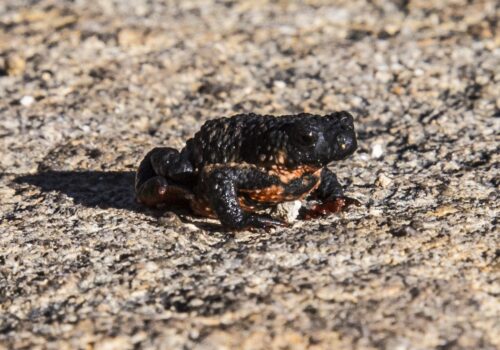
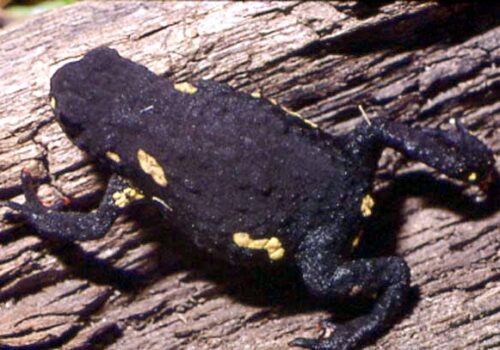
Reaching approximately 36–40 mm in size as adults, Duttaphrynus mizoramensis is a relatively small-sized toad. Its modest stature belies a distinct and unique set of physical adaptations designed explicitly for camouflage and survival within the complex leaf-litter environment. Its coloration—typically a blend of earthy browns, subtle greys, and muted greens—is a near-perfect mimicry of fallen forest debris and moss-covered stones. Such cryptic shades allow it to blend seamlessly into its surroundings, avoiding detection by predators eyeing it from above and around.
The skin is notable for being rough yet relatively dry, covered in characteristic wart-like protrusions that further enhance camouflage possibilities. Behind each eye, prominent parotoid glands, characteristic of the Bufonidae family, secrete mild toxins to deter predation. These defensive adaptations represent an astonishing evolutionary feat that contributes significantly to the Mizoram Toad’s ecological survival strategy.
Behavior and Life Cycle: Quiet Lives of Intrigue#
The Silent Huntress#
Like many other toads, Duttaphrynus mizoramensis is predominantly nocturnal, choosing to engage in feeding and hunting activities under cover of darkness. In the cool, damp evenings, it emerges cautiously from hidden shelters, employing stealth and patience in capturing small invertebrates. Ants, beetles, spiders, and other forest-floor insects compose the staple diet of this amphibian hunter. Upon spotting prey, the toad springs forth with accuracy to snatch meals using its sticky, specialized tongue—an impressive display of precision perfected over millennia of evolutionary refinement.
Breeding Under a Veil of Rain#
Reproduction in these northeastern amphibians invariably syncs with seasonal monsoonal rains. The vibrancy of Mizoram’s wet season offers ample opportunities for breeding and egg-laying, and it is during these torrential downpours that male Mizoram Toads call subtly yet persistently, their soft trills resonating through dense foliage towards receptive females. After a successful mating encounter, strings of small, jelly-encapsulated eggs find their safe havens in shallow bodies of forest water, carefully hidden amidst submerged leaves and debris.
Lacking advanced parental care post-egg laying, the Mizoram Toad relies heavily on rapid larval development and sheer numbers to ensure offspring survival. Tadpoles grow and transform rapidly within their aquatic nursery habitats, ultimately transitioning into tiny versions of their terrestrial parents, ready full-heartedly to carry forward their lineage in the shadows of Northeast India’s dense forests.
Ecological Importance and Roles in the Ecosystem#
Duttaphrynus mizoramensis, despite its apparent inconspicuousness, plays an indispensable role in Mizoram’s rich ecosystems. Acting as both predator and prey, this species maintains critical links within the food web. Effective insect population control is a core ecological service performed by these amphibians, as they limit populations of potential agricultural pests and other harmful insects, indirectly benefiting local human communities and surrounding ecosystems alike.
Moreover, as prey themselves, these toads contribute to the diets of various species higher up in the food chain, including small mammals, birds, snakes, and larger amphibians. Their presence signals healthy habitat conditions; indeed, amphibians worldwide serve as crucial indicators of environmental well-being, sensitive notably to pollutants and habitat changes.
A Fragile Future: Threats and Conservation Status#
While data remains sparse concerning the overall population trends of Duttaphrynus mizoramensis, habitat loss due to expanding agriculture, logging practices, and human encroachment present notable risks to its survival. In addition, alterations in rainfall patterns, rising temperatures, and other climate-change-associated phenomena threaten to disrupt their reproductive cycles, breeding habitats, and ultimately, long-term sustainability.
Although currently listed under “Data Deficient” by the International Union for Conservation of Nature (IUCN), proactive research initiatives and habitat conservation programs within Mizoram and broader northeast India are crucial for safeguarding the species’ survival.
Cultural and Scientific Significance: The Unseen Treasure#
The Mizoram Toad may lack cultural notoriety or prominent symbolism often associated with larger or brighter amphibian species, yet scientifically and ecologically, its importance cannot be overstated. Researchers value it as a potential indicator for environmental health, linking local habitat preservation directly to broader ecosystem vitality. Documenting and understanding such species also opens avenues for future discoveries related to amphibian ecology, evolution, and conservation sciences.
Conclusion: Preserving Mizoram’s Little-known Marvel#
Duttaphrynus mizoramensis may live a secretive, quiet existence far from public fame, yet it forms a vibrant part of India’s rich biological tapestry. Ensuring its existence—amid mounting threats—is more critical than ever. We owe future generations the continued wonders of biodiversity, including the subtle, irreplaceable presence of species like the Mizoram Toad.
To support conservation efforts protecting India’s enigmatic amphibians, consider advocacy, education, habitat protection initiatives—and, perhaps most importantly—encourage stories like these to reach wider audiences, inspiring continued fascination and conservation actions towards these hidden ecological gems.