- Introduction: Stepping into the Realm of a Hidden Amphibian Gem
- Taxonomy and Classification: Understanding Its Scientific Standing
- Natural Habitat: Lost in the Mists of Kiphire
- Physical Characteristics: Comprehending the Subtle Beauty of the Kiphire Toad
- Behavior and Life Cycle: Hidden Lives and Quiet Songs
- Ecological Role: Anchoring the Balance of Kiphire's Biodiversity
- Threats and Conservation Status: Guarding What We Barely Know
- Cultural and Scientific Significance: Bridging Traditions and Conservation Science
- Conclusion: Protecting a Small Species with a Giant Message
Introduction: Stepping into the Realm of a Hidden Amphibian Gem#
Imagine a misty evening in the evergreen forests of Nagaland, Northeast India. The air is thick with moisture, the leaves glisten with dew, and the constant hum of insects envelops your senses. Amidst this serene yet thrumming ecosystem, hidden beneath dense leaf litter, dwells Duttaphrynus kiphirensis, an amphibian whose very existence has eluded the attention of even many dedicated naturalists.
Duttaphrynus kiphirensis, commonly referred to as the Kiphire toad, occupies a niche both geographically distinct and ecologically vital. Enigmatic—yet a key player in its ecosystem—this amphibian encapsulates the intricate web of life within one of the world’s biodiversity hotspots. First documented scientifically only recently, it quietly reveals secrets about ecological balance, evolutionary adaptations, and the urgent need for dedicated conservation.
Taxonomy and Classification: Understanding Its Scientific Standing#
The genus Duttaphrynus is familiar within the amphibian circles for the ‘true toads’ it shelters, belonging to the family Bufonidae. Distinguished from neighboring genera primarily due to skeletal features, chromosomal characteristics, and mating calls, Duttaphrynus showcases significant diversity across Asia.
Within this fascinating genus resides Duttaphrynus kiphirensis, named after the Kiphire district from where it was first recorded. The species was formally described by diligent herpetologists who spotlighted the region’s less-explored wilderness in the early 21st century. Closely related to other Asian toads like Duttaphrynus melanostictus, the Kiphire toad embodies unique evolutionary traits sharpened by isolation and adaptation to its specific habitat conditions.
Natural Habitat: Lost in the Mists of Kiphire#
A Geographic Marvel within Nagaland#
Lush mountains, vibrant flora, and a complex network of freshwater streams define the scenery surrounding Kiphire, Nagaland. The district lies within the Eastern Himalayas biodiversity hotspot, a region globally recognized for its exceptional yet threatened biodiversity. Here, among dense tropical to subtropical evergreen forests, Duttaphrynus kiphirensis has made its secluded home.
The Ideal Environment: Moisture, Shade, and Leaf-Litter#
Unlike some amphibians that prefer open sunlight or clear running water, the Kiphire toad favors the secluded and often damp leaf-strewn forest floors. Beneath thick canopies of broad-leafed trees, where rays of sunlight barely pierce through, the toads escape the harshness of direct sunlight. Their habitat provides optimal moisture levels required for their skin respiration, and abundant leaf litter offers perfect camouflage from predators and an abundant hunting ground for various prey.
These tiny amphibians thrive in habitats undisturbed by human presence—where undisturbed soil, rich in organic matter and microorganisms, sustains the forest’s dynamic food chain. Presence of clean freshwater streams and ponds nearby facilitates seasonal breeding, crucial to sustaining their populations.
Physical Characteristics: Comprehending the Subtle Beauty of the Kiphire Toad#
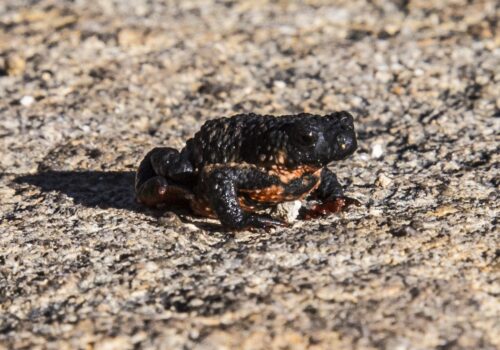
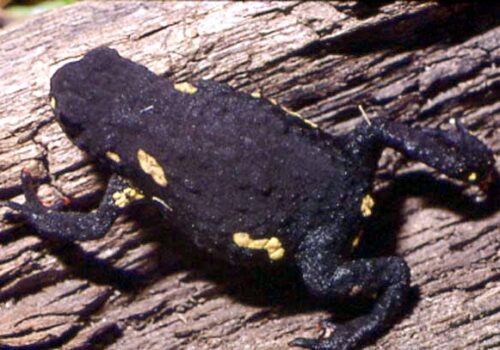
To spot Duttaphrynus kiphirensis in the dense leaf-litter mosaic requires patience and a keen eye. Measuring typically just 3–5 cm in length, their modest physique exhibits subtle yet intriguing features. Predominantly dark olive-brown, they blend seamlessly into their earthy surroundings. Intricate speckles of dark brown and specks adorn their warty skin, forming unique pattern signatures that distinguish individuals from their brethren.
Their rounded, sturdy bodies, short limbs, and distinctive parotoid glands behind their eyes typify true toads. Though their coloration may seem ordinary at first glance, their patterns increase camouflage efficiency, crucial in evading keen-eyed predators such as snakes, birds, and small mammals.
This amphibian adaptation illustrates nature’s artistry, ingeniously equipping them with a perfect combination of coloration and skin texture that maximizes survival and reproduction potential within their challenging environment.
Behavior and Life Cycle: Hidden Lives and Quiet Songs#
Feeding Habits and Foraging Strategies#
Duttaphrynus kiphirensis, though small and unobtrusive, stands as an impressive predator among the leaf litter. Its primary menu comprises small insects—beetles, ants, termites, and other small arthropods abundant within the forest floor niche. Using stealth, patiently concealed within the shadows, they wait until a prey unwittingly stumbles into their hunting range and then swiftly strike with a precise snap of their sticky tongues.
Reproductive Behavior: Seasonal Symphonies#
For amphibians, reproduction is an enchanting yet critical affair shaped by seasonality, rainfall, and local climate. During Nagaland’s rainy spells between June and September, Kiphire resonates quietly with their subtle calls. Males converge around shallow pools, emitting gentle but insistent calls to attract females readying themselves for breeding.
The females carefully select their mates based on call intensity and frequency—a sophisticated evolutionary mechanism ensuring offspring survival by mating only with fittest males. Females then deposit clusters of gelatinous eggs within shallow, slow-moving streams or transient rain puddles beneath the forest canopy. Tadpoles emerge swiftly, rapidly developing within these temporary aquatic safe havens.
Parental Investment and Juvenile Development#
Unlike some extraordinary amphibians famous for complex parental care behaviors, Duttaphrynus kiphirensis follows a simpler approach. The adults provide no direct parental protection; hence, featuring rapid development becomes essential. Tadpoles accelerate their transition from aquatic to terrestrial life to avoid predation or habitat drying out—a brilliant ecological adaptation to their particular climate.
Ecological Role: Anchoring the Balance of Kiphire’s Biodiversity#
Amphibians like Duttaphrynus kiphirensis stand as important links in food webs, reflecting environmental health and stability. Acting both as predators to insects and prey for larger organisms, they participate actively in nutrient cycling, insect population regulation, and maintaining ecological balance.
Moreover, their extreme sensitivity to environmental changes renders them valuable bioindicators. These toads subtly alert ecologists to changes—such as pollution, water contamination, or habitat fragmentation—long before more obvious symptoms of environmental degradation occur. Thus, protection of the Kiphire toad indirectly ensures sustained health of the entire ecosystem.
Threats and Conservation Status: Guarding What We Barely Know#
In biodiversity hotspots across the globe, species face threats like habitat loss, deforestation, pollution, invasive species, and climate change. The case for Kiphire’s secluded toad is particularly pressing. The forests of Nagaland, though still pristine in many regions, increasingly face encroachment from agriculture, logging, and infrastructural expansion.
While Duttaphrynus kiphirensis remains poorly studied and its numbers unknown, the International Union for Conservation of Nature (IUCN) has yet to fully classify their conservation status. Nevertheless, conservationists stress the urgent need to preserve their habitat, proactively minimizing disturbances while fostering education and engagement in local conservation advocacy.
Cultural and Scientific Significance: Bridging Traditions and Conservation Science#
Nagaland’s indigenous communities harbor deep traditional ecological knowledge and cultural respect for local biodiversity, often recognizing amphibians symbolically as indicators of environmental harmony. Though specific traditional cultural references to Duttaphrynus kiphirensis remain undocumented, the conservation of species like these reiterates the importance of indigenous stewardship, melding local wisdom with modern scientific approaches to biodiversity preservation.
Conclusion: Protecting a Small Species with a Giant Message#
Though Duttaphrynus kiphirensis remains an inconspicuous figure within the diverse tapestry of India’s biodiversity, its survival echoes the health of entire ecosystems. Meeting conservation challenges requires combined efforts from local communities, researchers, and global environmental advocates. Each small action protects not only this humble toad but the rich habitats upon which it—and countless other life forms—depend.
If humanity listens closely to the quiet calls emerging from Kiphire’s leaf litter, we may yet learn crucial lessons about ecological balance, conservation, and the intrinsic value of preserving all life, large and small. Let us embrace our stewardship role, ensuring that the intricate chorus of Duttaphrynus kiphirensis continues to quietly serenade Kiphire’s ancient forests for generations to come.