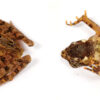
- Dendrophryniscus haddadi: Exploring the Hidden World of a Rare Brazilian Toad
- Taxonomy and Classification
- Natural Habitat and Geographic Range
- Physical Characteristics: Beauty in Miniature
- Behavior and Life Cycle: Secretive Steps in the Forest Shadows
- Ecological Role: Guardians Beneath the Leaf Litter
- Threats and Conservation Status: A Species at the Frontier of Change
- Cultural and Scientific Significance
- Conclusion: Protecting a Small but Vital Piece of our World
Dendrophryniscus haddadi: Exploring the Hidden World of a Rare Brazilian Toad#
Deep beneath the dense canopies and the ever-moist understory of Brazil’s Atlantic Rainforest lives an elusive creature that most eyes may never have the privilege to glimpse. Dendrophryniscus haddadi, commonly known as Haddad’s Tree Toad, embodies nature’s quiet resilience. Described only recently by scientists, this small amphibian has quickly risen in prominence, not only for its biological and ecological significance but also for its emblematic role in conservation efforts aimed at protecting Brazil’s extraordinarily diverse yet increasingly threatened ecosystems.
Named honorably after renowned Brazilian herpetologist Dr. Célio F.B. Haddad, this species reflects the exquisite subtleties of evolutionary adaptation. Rarely seen and discreetly cloaked in its cryptic coloration, Dendrophryniscus haddadi holds secrets vital to both ecosystem dynamics and our understanding of biodiversity in the Atlantic Rainforest—a global biodiversity hotspot that teeters on the brink of crisis.
Taxonomy and Classification#
Dendrophryniscus haddadi belongs to the order Anura, within the family Bufonidae—the true toad family that includes many familiar terrestrial toad species. However, unlike the common backyard toads you might encounter in urban areas, members of the genus Dendrophryniscus are notably adapted to arboreal lifestyles and forest floor habitats in rich tropical rainforests. Indeed, genus Dendrophryniscus represents a fascinating evolutionary branching—adaptations to humid environments combined with unique physiological traits, distinguishing them from their more terrestrial counterparts.
This species was officially described in 2012 through careful scientific field explorations and analyses, situating it comfortably within a genus known for its rich diversity and ecological specialization. Close relatives in the genus, such as Dendrophryniscus brevipollicatus, share many characteristics, including captivating coloration and highly specialized habitat preferences, serving as a testament to millions of years of careful evolutionary sculpting.
Natural Habitat and Geographic Range#
Dendrophryniscus haddadi has been observed exclusively in a restricted geographic range within Brazil’s southeastern Atlantic Rainforest biome. Specifically, it inhabits select localities in São Paulo and Paraná states, areas renowned for their dense vegetation, saturated soils, and abundant moisture—conditions ideally suited to amphibians.
An Understory Specialist#
Rather than the familiar streams or ponds associated with many amphibian species, Dendrophryniscus haddadi prefers the humid forest floor and low vegetation in undisturbed, primary Atlantic rainforest habitats. It dwells amid leaf litter, moss-covered tree roots, and shaded fern-covered banks, thriving in microhabitats where humidity remains consistently high.
Researchers have frequently documented individuals sheltering under fallen logs, amid rotting debris, and near tiny ephemeral pools formed by heavy tropical rainfall. This secretive microhabitat preference underscores the complexities these amphibians encounter in fragmented landscapes; any deviation or change to this delicate ecosystem quickly reverberates through their fragile lives.
Physical Characteristics: Beauty in Miniature#
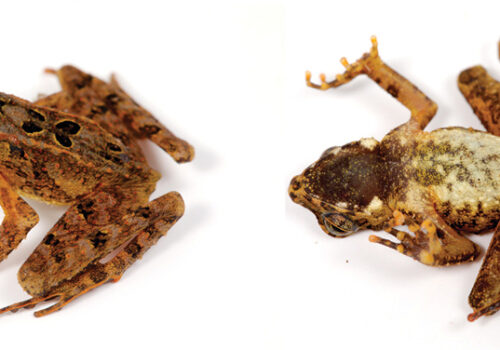
Though modest in size, typically measuring only about 2 to 3 centimeters from snout to vent, Dendrophryniscus haddadi captivates through its vivid coloration and distinctive markings. Its body is stocky yet agile, enabling nimble movement through leaf litter and forest debris.
A Cloak of Colors#
One striking feature is its remarkable coloration—marked mostly by hues of rich brown, amber, and reddish-brown. Small flecks and spots of lighter colors adorn its dorsal surface, creating a compelling mosaic that beautifully mimics the scattered leaf litter of its rainforest home. Such nuanced coloration provides a valuable ecological advantage, a cryptic cloak that conceals it effectively from potential predators.
Eyes positioned prominently atop its head give this toad excellent vantage points, facilitating a cautious and careful lifestyle. Its skin surface is notably granular or slightly warty, typical of bufonids, aiding in moisture retention and contributing to camouflage by reducing reflection and glare.
Toxic Defenses: A Survival Strategy#
Like other members of the Bufonidae family, Dendrophryniscus haddadi possesses specialized glands along its skin, capable of secreting mild toxins when threatened or stressed. Although relatively harmless to humans, these chemical compounds serve critical roles in deterring predators such as birds, rodents, or certain reptiles, reinforcing nature’s intricate balance between predator and prey.
Behavior and Life Cycle: Secretive Steps in the Forest Shadows#
The daily life of Dendrophryniscus haddadi unfolds primarily beneath the dense canopy, concealed from human eyes. These tiny toads typically demonstrate crepuscular or nocturnal activity patterns, emerging as twilight fades or amidst the warm humid darkness, a time when predators are fewer and moisture levels rise significantly.
Feeding Habits: An Exercise of Precision#
These amphibians predominantly practice ambush feeding, waiting quietly among the leaf litter or under vegetation cover for unsuspecting prey—primarily ants, mites, small beetles, and other diminutive forest invertebrates—to wander close. Upon detecting prey, an instantaneous flick of the toad’s sticky tongue swiftly captures the target, securing much-needed nutrients for survival. This method allows the frog to conserve energy in the calorie-sparse environment of forest substrates, a necessary adaptation to their concealed way of life.
Breeding and Parental Care#
During breeding season, males utilize soft yet distinctly recognizable calls resonating from beneath the leaf litter or mossy crevices, aiming to attract females. Unlike many amphibians that rely heavily on permanent water bodies, Dendrophryniscus haddadi deposits small clutches of eggs in humid, protected environments such as damp soil, leaf axils, or tiny ephemeral pools that form after rains. This reproductive tactic reduces risk from aquatic predators. Once hatched, tadpoles quickly develop within these miniature water habitats, transitioning rapidly into fully terrestrial adults due to the temporary nature of their upbringing environments.
Ecological Role: Guardians Beneath the Leaf Litter#
Amphibians like Dendrophryniscus haddadi are crucial ecological components within forest ecosystems. Being both predator and prey, they provide important ecological services, including controlling insect populations and functioning as prey items for larger fauna, including birds and certain snakes. Moreover, amphibians are indicators of ecological health due to their permeable skin and complex life cycles, making their presence—or absence—a reliable measure of ecosystem integrity.
Threats and Conservation Status: A Species at the Frontier of Change#
Currently, Dendrophryniscus haddadi is classified as “Data Deficient” by the IUCN, reflecting uncertainties regarding its precise population size, trends, and full range. However, the rapidly shrinking Atlantic Rainforest clearly places these toads under increasing threat. Habitat destruction caused by logging, agriculture, urban expansion, and infrastructure projects represents critical challenges for this frog’s continued survival.
Climate change magnifies this threat, bringing alterations to rainfall patterns and humidity levels crucial for the species’ unique breeding cycle and microhabitat needs. Additionally, diseases such as chytridiomycosis could pose potential risks, as amphibian fungal pathogens spread worldwide, threatening isolated and vulnerable populations.
Conservation Efforts and Initiatives#
Conservation scientists and Brazilian environmental authorities actively strive to protect the remaining Atlantic Rainforest fragments. Targeted efforts to preserve necessary microhabitats are ongoing, demonstrating the close relationship between habitat preservation and amphibian biodiversity sustainability.
Cultural and Scientific Significance#
Though relatively newly discovered, Dendrophryniscus haddadi serves as an important reminder of the Atlantic Rainforest’s untold biological richness and fragile complexity. It symbolizes our need for careful study in biodiversity hotspots worldwide. Scientifically, this species has provided crucial insights into amphibian adaptations to habitat-specific microclimates and reproductive biology—knowledge invaluable to conservation planning globally.
Conclusion: Protecting a Small but Vital Piece of our World#
Dendrophryniscus haddadi, while small and humble, represents one of countless species dependent upon our protection and stewardship. Its existence reminds us of the richness tucked away beneath layers of green, leaf-covered canopies, and silent forest floors. It encourages admiration, renewed exploration, and heightened environmental awareness. Ultimately, the fate of this hidden jewel mirrors our very responsibility toward wildlife and habitats worldwide. Engage in conservation advocacy, support habitat preservation efforts, or simply continue learning—each small effort ultimately matters immensely for safeguarding biodiversity on our extraordinary planet.