- Meet the Magistrate's Toad: Exploring the Fascinating World of Capensibufo magistratus
- Taxonomy and Classification: Introducing the Magistrate's Identity
- Natural Habitat: Life Amid the Fynbos Wilderness
- Physical Characteristics: The Subtle Beauty of Camouflage and Adaptation
- Behavior and Life Cycle: Drama in Discreet Detail
- Ecological Role: Guardians of Healthy Mountain Ecosystems
- Threats and Conservation Status: Fighting Against Quiet Disappearance
- Cultural and Scientific Significance: A Link to Biodiversity and Heritage
- Conclusion: Protecting Our Mountain Magistrates
Meet the Magistrate’s Toad: Exploring the Fascinating World of Capensibufo magistratus#
Hidden among the mountainous wildflowers and rocky highlands of South Africa’s fabled fynbos biome resides a tiny, enigmatic amphibian that few eyes ever witness—the Magistrate’s Toad (Capensibufo magistratus). Named intriguingly after officials of authority, this diminutive creature commands attention not through force or fanfare, but by its subtle yet profound ecological contribution. With muted earth-tone coloring perfectly matching its rugged landscape, and a life teeming with dramatic yet secretive behaviors, C. magistratus is an amphibian that offers fascinating insights into biodiversity, adaptation, and the delicate balance of nature.
Though rarely encountered, these amphibians are crucial indicators of environmental health and symbolize much larger conservation stories playing out quietly in their isolated habitats. In this journey, we delve deeply into the hidden world of the Magistrate’s Toad, exploring its extraordinary natural history, unique biological traits, and the ongoing efforts to protect it from numerous ecological threats.
Taxonomy and Classification: Introducing the Magistrate’s Identity#
The Magistrate’s Toad belongs to the Bufonidae family, a large and diverse group commonly known as true toads. Within this extensive family, Capensibufo is a specialized genus endemic to South Africa’s Cape Fold Mountains and nearby regions. First described officially in 2008, Capensibufo magistratus was identified and classified after detailed surveys revealed nuanced differences in vocalizations, genetics, and morphological characteristics distinguishing it from its close relatives.
Its scientific name, Capensibufo magistratus, reflects both its regional heritage (Capensis, meaning “of the Cape”) and the intriguing reference to magistratus, meaning “officer” or “magistrate.” This noteworthy moniker subtly emphasizes the critical ecological roles that these small creatures play—serving, perhaps, as magistrates of the ecological balance within their habitat.
Natural Habitat: Life Amid the Fynbos Wilderness#
Imagine yourself standing high upon the wind-scoured slopes of South Africa’s Hottentots-Holland or Kogelberg Mountains. Far above, grey clouds course swiftly across peaks hidden with mist. At your feet stretches the iconic fynbos—an ancient, botanically rich ecosystem teeming with thousands of species found nowhere else on earth. Hidden amongst these diverse flora, where moisture lingers under rock crevices and tiny cup-like depressions in sandstone hold rainwater, lives the elusive Magistrate’s Toad.
Capensibufo magistratus is exquisitely adapted to higher-altitude zones, thriving primarily within montane heathland habitats above 1000 meters. Here, rainfall is frequent, and fog often envelops mountain summits, ensuring consistent humidity ideal for amphibian survival. Though it does occasionally appear lower, this species most commonly resides in the harsh but reliably moist microhabitats that characterize its specialized ecological niche.
Habitat Preferences and Microhabitats#
Within these mountain ecosystems, moisture and microclimate dictate the distribution of C. magistratus. Their preferred locations are seepages, waterlogged depressions, and shallow temporary pools known as “fynbos pans,” often bordered by dense growth of low shrubs, grasses, and sedges. These ephemeral waters provide perfect breeding grounds and nursery sites for emerging tadpoles. During drier months, adult toads shelter in damp rock crevices, burrowing beneath vegetation or moss-covered rocks, safe from harsh conditions and hidden from predators.
Understanding the species’ strong habitat dependence underscores why preserving intact mountain fynbos ecosystems is critically important. Any minor shifts in moisture dynamics can rapidly threaten this amphibian’s suitable habitat—a sobering reminder of just how delicately their lives balance ecological thresholds.
Physical Characteristics: The Subtle Beauty of Camouflage and Adaptation#
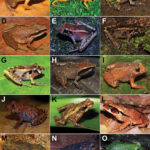
At first glance, the Magistrate’s Toad presents a modest silhouette. Measuring only about 2–4 centimeters, it is small enough to nestle comfortably within the palm of a human hand. But beneath this humble appearance lies a master class in evolutionary adaptability. Its body shape is compact yet robust, perfectly suited for squeezing into tight spaces among rocks and roots that define its alpine-like environment.
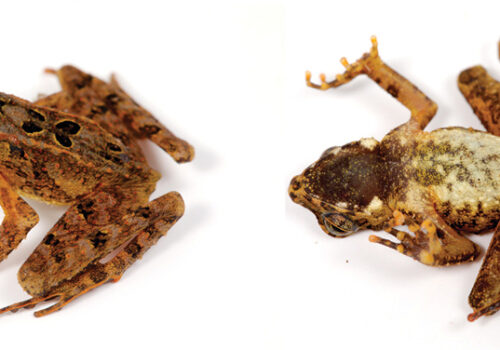
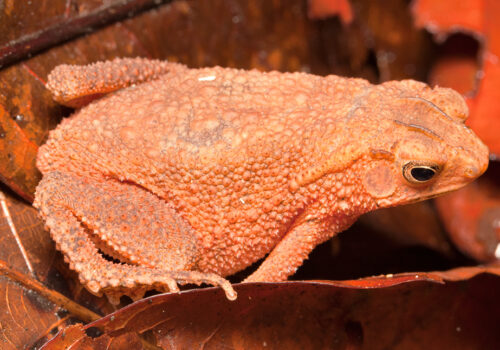
Its skin, intriguingly bumpy and granular, bears subtle earth-tone hues—a complex mosaic of browns, greys, and hints of olive-green that seamlessly match its rocky surroundings. This cryptic coloration provides superb camouflage, crucially protecting it from predators such as birds and reptiles, which populate the area’s skies and foliage with vigilant eyes.
Notably, the ventral surface, or underside, of this amphibian is paler, occasionally marked with speckled patterns—an adaptation that aids concealment when predators observe from below. Although muted in appearance, these unassuming features clearly demonstrate that beauty in nature often resides in purpose, practicality, and understated elegance.
Behavior and Life Cycle: Drama in Discreet Detail#
Within its small stature, the Magistrate’s Toad packs behaviors fascinatingly dynamic yet incredibly subtle—dramas unfolding beneath the notice of casual observers. During cool winter months, following rains when water is abundant, the landscape hums with activity. It is at this time that the unique vocalizations of males echo softly through mountain mist, each toad calling from sheltered pools or open depressions in grassy clearings. Their calls, a faint repetitive chirp, may be quiet, but they convey critical reproductive signals in dense, humid mountain air.
After successful courtship, females lay clusters of delicate eggs, attaching them discreetly to submerged roots, blades of grass, or submerged stones within temporary breeding pools. Tadpoles develop swiftly, anatomically and physiologically adapted to rapid maturation—a countermeasure against drying pools. These tadpoles, dark-colored and sleek, cleverly utilize ephemeral waters with impressive efficiency, completing their metamorphosis into miniature adults before their aquatic homes evaporate in warmer weather.
Feeding and Hunting Behaviors#
Primarily nocturnal and elusive by daylight, Magistrate’s Toads emerge under cover of darkness, hunting small invertebrates such as ants, spiders, beetles, and mites. Their hunting strategy is predominantly sit-and-wait predation—an energy-conserving tactic particularly suited to areas with seasonally fluctuating prey availability. Their powerful, sticky tongues allow rapid capture of unsuspecting prey in mere milliseconds, demonstrating an extraordinary level of efficiency in feeding habits.
Ecological Role: Guardians of Healthy Mountain Ecosystems#
Small amphibians like Capensibufo magistratus often serve critical roles as bioindicators, helping ecologists understand the health of larger ecological systems. Highly sensitive to environmental changes such as water quality, pollution, and climate variability, these amphibians act as early warning beacons, markedly signaling shifts or deterioration in their surrounding ecosystems long before other species exhibit stress signals.
Moreover, Magistrate’s Toads contribute directly to ecosystem balance by regulating populations of small invertebrates. Simultaneously, they provide a vital food resource for local predators—a foundational linkage within tightly woven mountain food webs. Their very survival and abundance thus assure the resilience, functionality, and diversity of broader montane ecosystems.
Threats and Conservation Status: Fighting Against Quiet Disappearance#
Despite their crucial ecological roles, Magistrate’s Toads face numerous anthropogenic and climate-related threats. According to the International Union for Conservation of Nature (IUCN), Capensibufo magistratus is currently classified as Near Threatened, vulnerable primarily due to severe habitat alteration and fragmentation, spread of invasive plant species, increased fire frequency influenced by climate change, and anthropogenic disturbances from agriculture and urban expansion downslope.
Climate change exacerbates an already fragile ecosystem, reducing hydrological stability essential for successful breeding cycles. With habitats contracting and fragmenting, these subtle amphibians face alarming population declines unless proactive conservation measures continue at regional and local levels.
Cultural and Scientific Significance: A Link to Biodiversity and Heritage#
As symbols deeply connected to the unique Cape fynbos biome, Capensibufo magistratus enhances our appreciation and awareness of biodiversity and the ecological connectivity inherent in mountain habitats. Scientifically, this toad offers researchers insights into evolutionary biology, adaptation, climate vulnerability, and ecosystem health.
Culturally, their rich narrative underscores regional identity and serves as an emblematic organism promoting ecoliteracy and conservation advocacy throughout South Africa.
Conclusion: Protecting Our Mountain Magistrates#
The secretive life of the Magistrate’s Toad mirrors closely that of many unseen amphibians—a beautiful, mystery-enshrouded existence intimately tied to delicate ecological balances. As we continue to discover and document their biology and habitats, let us fully appreciate their role as ecological magistrates, reminding us constantly of our shared responsibility to protect nature’s quiet treasures. Let us stand firm in our commitment to ensuring these tiny magistrates continue to serve their vital environmental roles for generations yet unborn.