- Introduction: Meeting the Bufotes oblongus
- Taxonomy and Classification: Understanding the Eastern Green Toad
- Natural Habitat: A Glimpse into Their Ecological Realm
- Physical Characteristics: Beauty in Subtlety
- Behavior and Life Cycle: Nighttime Wanderers and Seasonal Romance
- Ecological Role: The Amphibian Architect of Balance
- Threats and Conservation Status: Preserving a Silent Guardian of Biodiversity
- Cultural and Scientific Significance: Connecting Humans and Amphibians
- Conclusion: A Call to Cherish Amphibian Wonders
Introduction: Meeting the Bufotes oblongus#
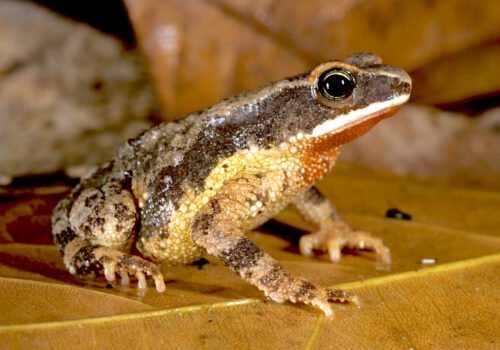
Beneath moonlit skies, where quiet ponds whisper among grasses and gentle night breezes carry distant echoes of nocturnal wildlife, thrives a wondrous amphibian often overlooked by casual observers—the Eastern Green Toad, scientifically known as Bufotes oblongus. Cloaked in patterns of emerald-green broken by delicate patches of cream and brown, this enigmatic creature is not only beautiful but plays a profound and understated role in its ecosystem, quietly contributing to the harmony of life in its habitat.
Although not as famed as poison dart frogs or vibrantly colored tree frogs from tropical rainforests, Bufotes oblongus holds its unique charm and ecological significance in the landscapes of Central Asia and Western Asia. With intriguing behaviors and an often secretive lifestyle, exploring the story of this species helps unlock invaluable lessons about ecology, conservation, and biodiversity protection. Let us embark together on a journey into the fascinating life of Bufotes oblongus, shining a deserving spotlight upon this captivating amphibious wonder.
Taxonomy and Classification: Understanding the Eastern Green Toad#
With a family tree that weaves through millions of evolutionary years, Bufotes oblongus belongs to the family Bufonidae—a vast group commonly known as “true toads.” Within this family, the species falls under the genus Bufotes, recognized predominantly for their beautifully marked green and brown coloration. The Eastern Green Toad, formally described by researchers, holds an important ecological position, closely related to other members of the Bufotes viridis complex but distinguishable by specific geographic ranges and nuanced physical traits.
These subtle taxonomic distinctions, crucial for herpetologists and conservation specialists, also remind us of how dynamic and nuanced biodiversity truly is. Each species, even those subtly distinguished, represents evolutionary accomplishments and ecological specialization acquired through centuries of adaptation to specific regional environments.
Natural Habitat: A Glimpse into Their Ecological Realm#
To appreciate the marvel of Bufotes oblongus, we must take an introduction into the landscapes it graciously inhabits. Distributed predominantly throughout Central Asia, including regions around Iran, Afghanistan, and neighboring countries, this species thrives in a variety of temperate terrestrial environments, from semi-arid foothills to lush river valleys and mountain steppe habitats.
A Mosaic of Habitats#
Unlike some amphibian species with extremely specialized habitat needs, the Eastern Green Toad has shown remarkable adaptability, occupying diverse ecosystems that range from semi-arid plains to elevation-rich mountain meadows. Preferring locations close to bodies of freshwater or periodical wet zones for breeding, their habitats often include streams, riverbanks, marshes, and moist cultivated landscapes.
Distinct seasonal variations define their habitat usage patterns—awaiting rainy season breeding opportunities in temporary pools and streams, and retreating to moister habitats for aestivation during dry seasons. Would-be observers may find the Eastern Green Toad expertly camouflaged among patches of vegetation or hidden under rocks during daylight hours, emerging after dusk in search of prey.
Physical Characteristics: Beauty in Subtlety#
The aesthetic appeal of Bufotes oblongus is subtle yet undeniable. Adults typically measure between 5 to 9 centimeters, demonstrating moderate variability by region and environmental conditions. Their physical build portrays strength and adaptability—stocky forms combined with thick limbs adapted for digging and hopping short distances with surprising agility.
Perhaps most astonishing is the intricacy of their coloration: an artistic blend of olive-green patches, golden markings, and dusky cream-colored undersides. These patterns, reminiscent of a camouflage artist’s masterpiece, allow the toad remarkable concealment within their chosen habitat’s vegetation and soil.
Adaptations for Survival#
Nature rarely adorns any organism without purpose; the Eastern Green Toad’s colors and textures are perfect examples. This captivating pattern offers protection against visually oriented predators such as birds and some mammals. Furthermore, glands located behind their eyes, known as parotoid glands, secrete mild toxins as effective deterrents when threatened.
These features not only highlight evolutionary strategies but also emphasize the significance of their surrounding landscape. Each component of their anatomy has been crafted by generations upon generations of selective pressure, emphasizing the connection between species anatomy, behavior, and survival.
Behavior and Life Cycle: Nighttime Wanderers and Seasonal Romance#
While humans explore the world during sunlight hours, the Eastern Green Toad lives predominantly nocturnal lives, discriminately avoiding predators and heat by remnants of daytime. Under a starlit canvas, they hunt insects, spiders, and occasional small mollusks, transforming themselves into vital components of nocturnal food webs.
Breeding Rituals Beneath the Stars#
As seasonal rains arrive to turn temporary pools into ideal breeding habitats, the air around these spots vibrantly fills with the musical chorus of croaking males. Attentive listeners quickly distinguish the distinctive mating trills of Bufotes oblongus, reflective of an ages-old calling tradition vital for courting females. After attracting partners, fertilization occurs externally with females laying thousands of jelly-like eggs in shallow waters.
From these eggs emerge minute tadpoles, each striving for survival amid countless predators and shifting environmental conditions. Tadpoles swiftly mature, shifting from water-breather larvae to air-breathing adults ready to leave their watery birthplace and assume terrestrial lives, continuing the fascinating cycle of life.
Ecological Role: The Amphibian Architect of Balance#
Every species contributes uniquely to ecological balance, functioning as threads woven intricately within the tapestry of their environments. For Bufotes oblongus, this role manifests predominantly through their diet, which helps regulate insect populations, contributing significantly toward controlling pest species detrimental to agricultural regions.
They also provide food for an array of predators, thus shaping trophic structures within their environments. Additionally, amphibians like Bufotes oblongus are often bioindicators whose population health serves as early warning systems for environmental degradation. Their permeable skin efficiently absorbs environmental toxins, giving conservationists early indicators of potential ecological concerns, including pesticide contamination and water pollution.
Threats and Conservation Status: Preserving a Silent Guardian of Biodiversity#
Despite their impressive resilience, the Eastern Green Toad faces growing pressure from threats like habitat destruction, pollution, climate change-induced droughts, and fragmented populations. Agricultural expansion, freshwater contamination, pesticides, and climate shifts pose particularly acute threats, pushing their populations gradually into decline in various regions.
Current Status and Conservation Efforts#
Currently classified by the International Union for Conservation of Nature (IUCN) as “Least Concern,” there remains vigilance due to localized declines signaling potential future risks. Conservationists work tirelessly, advocating habitat preservation, sustainable agricultural practices, and the creation of buffer zones to safeguard breeding habitats. Monitoring initiatives continue assessing population health, adapting conservation approaches to prevent future crises.
Cultural and Scientific Significance: Connecting Humans and Amphibians#
Throughout history, amphibians have symbolized transformation and renewal across numerous cultures. Although the Eastern Green Toad’s specific cultural symbolism remains relatively unexplored, in broader societies, frogs and toads often symbolize luck, fertility, and transformation.
Scientifically, studies involving Bufotes species have expanded our understanding of amphibian biology, toxin pharmacology, and ecological sensitivity studies. Insights gathered from this toad offer valuable lessons about environmental impact, highlighting critical considerations for environmental stewardship.
Conclusion: A Call to Cherish Amphibian Wonders#
As our journey with Bufotes oblongus reaches its peaceful closure, let us reflect upon the species’ roles in maintaining ecological harmony and biodiversity. Often hidden from human view, this resilient toad reminds us of the delicate, intricate relationship between organisms and environment and stands as testament to the natural world’s resilience and fragility alike.
May our newfound appreciation inspire us all towards meaningful conservation efforts. By appreciating and protecting marvelous amphibians like Bufotes oblongus, we ensure that future generations can also know the joy, wonder, and ecological wisdom these silent night wanderers bring to our shared planet.