The Lorestan Toad (Bufotes luristanicus): The Secretive Jewel of Iran’s Highlands#
Hidden amidst the mountainous landscapes of western Iran lies an amphibian whose quiet presence masks its profound ecological significance—the Lorestan Toad, scientifically known as Bufotes luristanicus. Cloaked in subtle colors and masters of blending into rocky terrains, this elusive species captures both the imagination and curiosity of amphibian enthusiasts, researchers, and nature lovers alike. Although not as widely celebrated as certain tree frogs or vividly colored poison frogs, its unique adaptations and the remote beauty of its mountainous habitat make it a compelling species worthy of discovery and protection.
Found exclusively within specific mountainous regions in Lorestan Province and adjacent areas, Bufotes luristanicus stands as both an ecological indicator and a living testament to the biological wonders shaped by Iran’s distinct geographic isolation. Its fascinating tale of adaptation showcases resilience in harsh environments. Moreover, this charismatic yet little-known toad offers intriguing biological insights and highlights the urgency of conservation in lesser-known wild corners of our planet.
Taxonomy and Classification#
The Lorestan Toad, scientifically named Bufotes luristanicus, belongs to the family Bufonidae, commonly known as the ‘true toads,’ which encompasses over 500 described species worldwide. Within this robust amphibian family, Bufotes stands as a genus distinguished for its remarkable adaptability to dry, mountainous environments across Europe, North Africa, and western Asia. Described formally only recently, the Lorestan Toad’s distinct genetic profile and precise geographic range set it clearly apart within its genus.
Once considered a regional variant of closely related species, latest genetic analyses and morphological studies have confirmed the distinctiveness of B. luristanicus, underscoring how precise geographic isolation and unique evolutionary pressures shaped this exclusive mountaintop resident.
Natural Habitat#
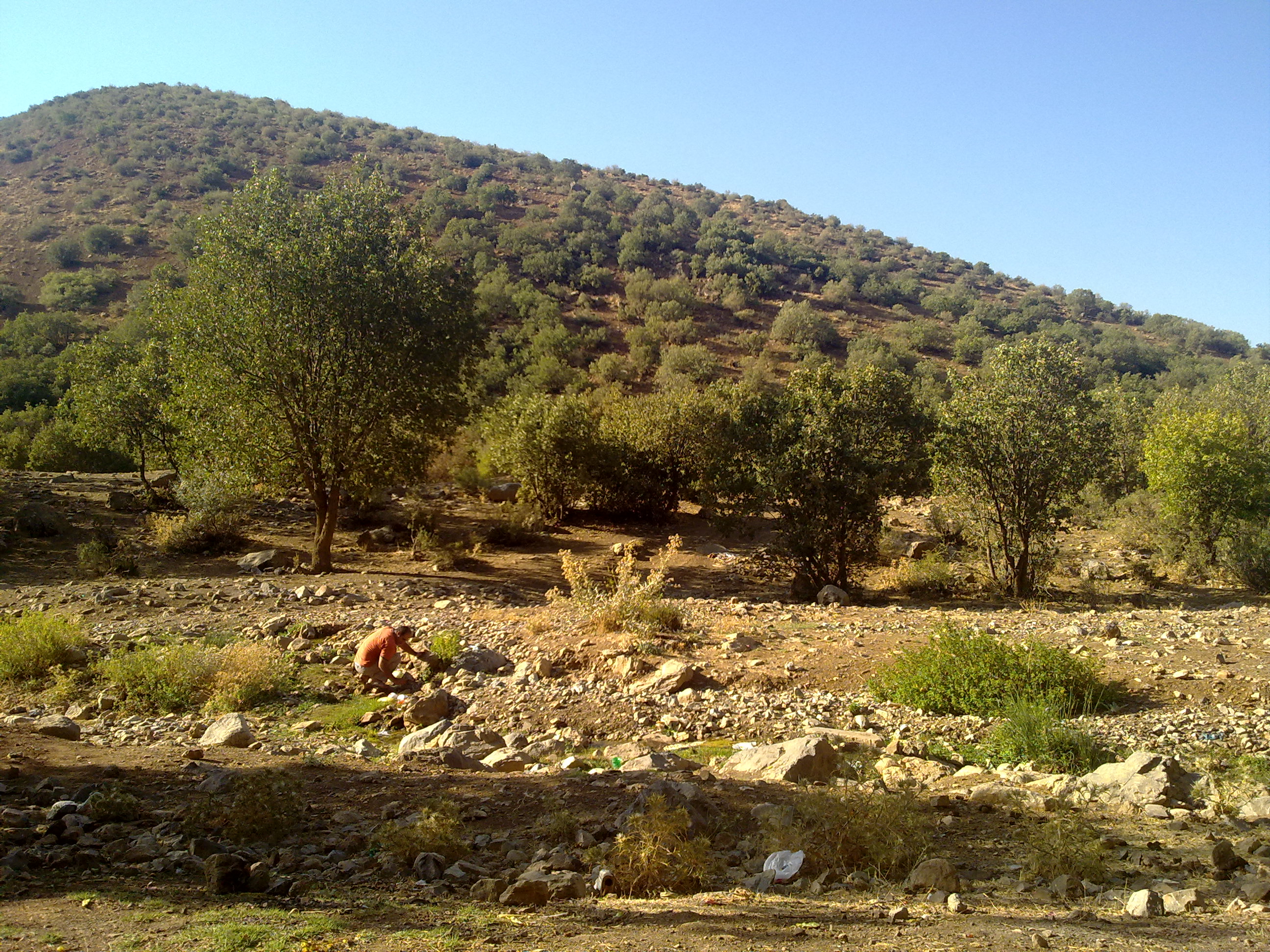
The mystery and allure surrounding the Lorestan Toad stem largely from its restricted and remote range. Specifically adapted to high-altitude habitats in western Iran, particularly within Lorestan Province, this amphibian favors temperate montane ecosystems with rocky stream beds, seasonal pools, and scattered alpine vegetation. These environments experience a conspicuously cool climate with pronounced seasonal variations; hot sunny summers contrast dramatically with harsh winters blanketed by snow and ice.
Imagine a landscape of steep slopes scattered with sparse shrubs, hardy grasses, and resilient flora managing to thrive amidst rocks precisely carved by water runoff. Cold mountain streams and ephemeral ponds formed by melting snow provide crucial breeding grounds for these amphibians. Sheltered in crevices, caves, and beneath rocks, Lorestan Toads spend daytime hours shielded from the sun’s glare, emerging stealthily at dusk to inhabit the nocturnal world they call their own.
This habitat selection doesn’t merely provide comfort—it ensures survival. Moisture regulation and predator avoidance often demand hidden and sheltered spaces. By persistently inhabiting microhabitats whose harshness repels many potential predators and competitors, the Lorestan Toad has transformed challenging environments into optimal ecological niches.
Physical Characteristics#
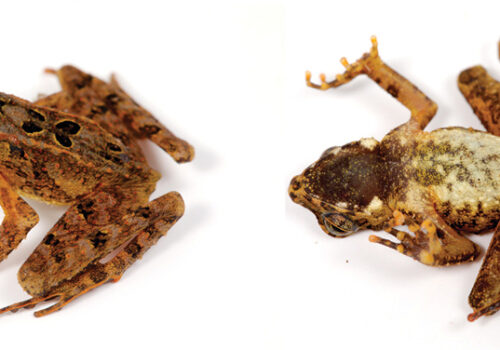
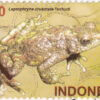
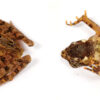
At first glance, the Lorestan Toad might seem modest, yet closer inspection reveals remarkable adaptations shaped by evolutionary trials. Adults typically range from 5 to 9 centimeters in length, with females slightly larger than males. Their skin, textured and wart-studded—characteristic of true toads—exhibits muted variations of olive, greenish-gray, or brown hues, subtly peppered with intricate mottles and irregular darker markings.
Such coloration serves a critical evolutionary purpose: camouflage. When still, the Lorestan Toad effortlessly blends into its rocky, shadow-dappled surroundings, practically disappearing from sight. This cryptic coloration proves invaluable in evading predators, which include birds, snakes, and various mammals. Bright eyes, tinged golden or copper, gaze outward with vigilance honed across millennia of needed caution.
Strong limbs—short yet muscular, ideal for firmly anchoring onto uneven terrain—enable the toad’s agile movement across slippery, rocky surfaces. A sticky secretion from skin glands not only aids moisture retention but also presents an additional defensive strategy against potential predators, providing mild toxins unpleasant to taste or touch.
Behavior and Life Cycle#
Primarily nocturnal, Bufotes luristanicus carries out most of its daily activities under the cloak of darkness. When the sun yields to nightfall, individuals venture out from their daytime hiding spots in pursuit of food and companionship. Equipped with acute instincts and sensitive vision, these toads prey opportunistically on insects such as beetles, moths, ants, and occasional spiders. Patient hunters, they remain statuesque until unsuspecting prey wanders within tongue’s reach, before rapidly snapping them up with impressive accuracy.
Breeding Rituals and Vocalizations#
The onset of spring heralds a captivating chorus across quiet mountain pools—male Lorestan Toads engage in competitive serenades aimed to attract willing females. This gentle ambiance of trills and soft croaks reverberates through the mountain night, creating an enchanting atmosphere.
Upon selecting a mate, the female toad lays eggs in strings, entangled carefully around the submerged vegetation, safeguarding them from strong currents and securing optimal oxygenation. Within weeks, tadpoles hatch into aquatic larvae, tiny beings whose transformation into terrestrial adults presents one of nature’s most fascinating metamorphoses.
An Adventurous Journey: From Tadpole to Toad#
Tadpoles, vigorous grazers of algae and microorganisms, rapidly grow through the warmth of late spring and summer. Throughout this period, they face challenges—predatory aquatic beetles, fluctuating water levels in seasonal pools, and environmental unpredictability. After metamorphosis, the juvenile toads, now terrestrial, leap forth from water’s relative safety into challenging mountainous terrains. Adaptable and resilient, they rapidly adjust to their terrestrial lives, continually honing survival skills—a truly admirable evolutionary achievement.
Ecological Role#
The Lorestan Toad quietly holds an integral ecological role within its mountainous habitat. Serving as both predator and prey, it represents a keystone link in a complex food web. Its consumption of insects greatly assists in regulating insect populations—balancing ecosystems at ecological crossroads between insects, plants, and higher predators.
Acting simultaneously as prey, its population numbers serve as indicators of ecological balance and environmental health. Any abrupt shifts in their numbers or health directly reflect changes—subtle or evident—in habitat quality, climate shifts, or ecological disruptions. Thus, conservation monitoring often prominently features amphibians like Bufotes luristanicus.
Threats and Conservation Status#
Precisely adapted to small geographic ranges often exposes species to heightened vulnerabilities, and Bufotes luristanicus is no exception. Although formally assessed by the International Union for Conservation of Nature (IUCN) as Data Deficient due to limited comprehensive population data, regional scientists and field researchers note troubling signs of decline associated primarily with habitat disturbances.
Threats include habitat degradation from immediate human activities—agricultural expansion, rapid infrastructure development, and water management projects altering crucial seasonal breeding sites. Climate change exacerbates these pressures, with shifting precipitation patterns potentially collapsing already fragile habitats.
Fortunately, emerging research and conservation efforts by local ecologists, international organizations, and community groups seek proactive conservation through habitat protection measures, sustainable land use education, and raising national awareness about Lorestan’s unique biodiversity inheritance.
Cultural and Scientific Significance#
While subtle and less prominent in folklore compared to more striking amphibians elsewhere, the Lorestan Toad nonetheless holds quiet yet tangible cultural significance within western Iran. Local communities regularly encounter these shy amphibians and recognize their role as natural insect controllers, appreciating their subtle ecological value.
Scientifically, Bufotes luristanicus, with unique physiological adaptations, provides insights into evolutionary strategies enabling amphibians to successfully colonize challenging mountain landscapes. Understanding these mechanisms can guide broader conservation efforts protecting amphibian biodiversity globally.
Conclusion: Preserving Iran’s Mountain Jewel#
Throughout Iran’s remote mountainous edges thrive quiet yet remarkable creatures whose significance stretches far beyond immediate visibility. The Lorestan Toad embodies resilience, mystery, and ecological interconnectedness. While modest in appearance, its ecological significance and scientific value merit dedicated conservation attention.
By raising awareness and directly supporting habitat conservation initiatives, each reader can contribute meaningfully toward protecting species like Bufotes luristanicus. Let us honor this elusive amphibian by illuminating its fascinating story, celebrating its delicate balance within Earth’s intricate web of life, and dedicating ourselves to safeguarding its continued survival in the majestic mountains of Lorestan.