Bufotes latastii: Exploring the Hidden Life of the Baltistan Toad#
Amid the rugged landscapes and gentle whispers of the high-altitude streams of northern Pakistan and the surrounding regions, an enigmatic amphibian makes its humble yet critical home. Bufotes latastii, often referred to as the Baltistan Toad or Lataste’s Toad, is a captivating species whose quiet presence provides profound insights into the delicate environmental balance of its mountainous habitat. Though modest in appearance, this intriguing toad illuminates the intricate connections between wildlife, ecology, and humanity’s role within it.
Beyond its humble size and reserved demeanor, Bufotes latastii holds remarkable secrets—from surviving harsh, frigid winters tucked carefully beneath frozen earth to showcasing vibrant breeding rituals during short-lived alpine summers. Journeying into the secret life of the Baltistan Toad reveals a story woven with adaptability, ecological interdependence, and the ever-present urgency to conserve such species in the rapidly changing landscapes they call home.
Taxonomy and Classification#
Bufotes latastii belongs to the Bufonidae family, a diverse group of amphibians commonly known as true toads. Within this family, it nestles precisely under the Bufotes genus, distinguished by their resilient adaptations to varied habitats—from arid steppes to alpine meadows. Named in honor of renowned French herpetologist Fernand Lataste, Bufotes latastii proudly carries a legacy of scientific curiosity and nature exploration.
Its taxonomic classification stands firmly as follows:
- Family: Bufonidae (True Toads)
- Genus: Bufotes
- Species: Bufotes latastii
This relationship positions it as a close relative of species like Bufotes balearicus and Bufotes viridis—commonly known as green toads, similarly adapted to a wide array of climates and terrains across Eurasia.
Natural Habitat#
Hidden amidst towering peaks, glaciated valleys, and gentle streams of the northern Himalayan and Karakoram regions, Bufotes latastii inhabits an ecological niche as unique as it is picturesque. Predominantly found in northern Pakistan’s Gilgit-Baltistan region—particularly Baltistan after which it is colloquially named—the species extends into adjacent territories of northern India and possibly eastern Afghanistan, thriving at altitudes ranging generally between 2,000 to 4,500 meters above sea level.
A Home in the Mountains and Meadows#
Bufotes latastii’s habitat is characterized by alpine streams, marshlands, high-altitude wetlands, and mountain meadows. True masters of adaptation, these toads prefer habitats with abundant moisture coupled with open, sunlit areas where warmth and insect prey are plentiful. During colder seasons, they retreat deep beneath rocks, logs, and burrows, entering a state of dormancy that protects them from the unforgiving freeze of high-altitude winters.
Come spring and summer, the once quiet breeding sites reverberate with the vibrant chorus of males, drawing attention to shallow streams and temporary wetland pools vital for spawning. These waters, born from mountain snowmelt, offer pristine, oxygen-rich habitats essential for eggs and larvae to thrive. Habitat selection becomes a delicate balancing act, aligning perfectly with climatic patterns unique to their alpine home.
Physical Characteristics#
At first glance, the Baltistan Toad’s physical traits might appear unassuming, yet each detail is remarkably attuned to its demanding environment. Adult Bufotes latastii typically measures between 4 and 8 centimeters in length, showcasing a robust yet streamlined body suited for continued survival in mountainous terrain.
Colors that Camouflage, Patterns that Protect#
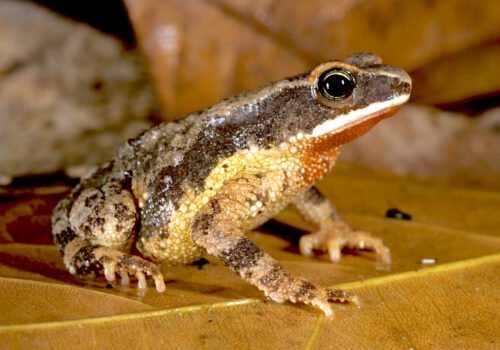
The toad’s coloration provides both an astonishing aesthetic appeal and practical protective camouflage. Shades of olive green, mottled brown, and subtle gray hues adorn its skin with an intricate tapestry of marks and rings, beautifully blended with rocky riverbeds, lush grasslands, and alpine mosses. These muted and patterned colors render Bufotes latastii nearly invisible to predators like birds and mammals scanning for a quick meal.
Its rough and granular skin surface not only aids camouflage but is also heavily permeated with specialized glands. The parotoid glands, positioned behind their eyes, secrete mild toxins as deterrent, discouraging predation attempts with an unpalatable taste—another testament to evolution’s innovative survival strategies.
Behavior and Life Cycle#
Bufotes latastii embodies patient survival and calculated opportunism in the face of unforgiving weather and fleeting alpine seasons. The seasonal rituals of this toad reveal a life deeply synchronized with the landscape’s rhythms and resources.
Dietary Habits: Opportunistic Hunters#
Their feeding strategy aligns with the stark realities of a high-altitude ecosystem. Opportunistic feeders by nature, Baltistan Toads sustain themselves primarily on insects and invertebrates—an abundant diet during warmer months. Beetles, caterpillars, ants, and spiders constitute key targets, each captured through patient waiting and sudden ambushes facilitated by their subtly camouflaged forms.
Reproductive Dance of Mountains#
With the arrival of spring, snowmelt transforms quiet alpine meadows into vibrant wildlife hubs. Bufotes latastii’s breeding season intimately coincides with this annual transition. Male toads gather at ephemeral pools and slow-flowing streams, their throaty calls echoing distinctly amidst mountain slopes, signaling readiness for reproduction. These vocal displays summon females to mate in aquatic habitats selected specifically for their proximity and conditions conducive to egg-laying.
Eggs are laid in gelatinous strands, draped artfully along submerged vegetation or securely anchored in shallow waters. Tadpole development occurs swiftly, capitalizing on temporary availability of breeding pools. Metamorphosis into terrestrial juveniles occurs before the waters dry or freeze, underscoring an astounding synchronization with environmental triggers.
Ecological Role#
Bufotes latastii plays crucial roles in the alpine ecosystem beyond mere survivability. As voracious insect consumers, they significantly manage insect populations, indirectly contributing to vegetation health and ecosystem balance. Moreover, they provide essential sustenance for predators such as birds, small mammals, and reptiles, thereby facilitating the flow of energy within these alpine food webs.
Furthermore, sensitive as amphibians are to environmental changes, Bufotes latastii acts as an excellent bioindicator species. Their presence, numbers, and general health present a clear reflection of both habitat quality and impacts of anthropogenic pressures such as climate change, pollution, and habitat alteration.
Threats and Conservation Status#
Despite its resilient adaptations, Bufotes latastii faces significant threats that raise concern among conservationists. Habitat loss, primarily driven by infrastructure development, agricultural expansion, and land-management practices, represents a growing peril even in remote mountainous regions. Climate fluctuations, exemplified by altered precipitation patterns and increased extreme weather events, disrupt the delicate timing and availability of breeding habitats. Additionally, pollution from agricultural run-off or waste streams severely impacts sensitive aquatic life cycles.
While official global assessments like those by the IUCN remain limited due to data scarcity from remote regions, local studies indicate distinct population declines in accessible areas. Conservation awareness, habitat protection, and ecological research form critical cornerstones in securing the Baltistan Toad’s continued existence amidst a changing world.
Cultural and Scientific Significance#
Within local communities, amphibians often symbolize the cyclical nature of seasons, fertility, renewal, and ecological health. Although Bufotes latastii hasn’t prominently entered folklore or myth, its quiet existence embodies nature’s adaptability, perseverance, and subtle indicators of ecological health for human communities in remote Himalayan areas.
Scientifically, Bufotes latastii and its allied species have spurred herpetological research internationally. They serve as remarkable models for evolutionary adaptation and climate resilience, offering illuminating insights critical for conservation management strategies worldwide.
Conclusion#
Bufotes latastii, the humble yet remarkable Baltistan Toad, symbolically reflects the harmonious interplay between rugged alpine habitats and their unique biodiversity. By delving deeply into its quiet yet adept existence, we unveil the intertwined beauty, resilience, and vulnerability of mountain ecosystems worldwide. Ensuring this fascinating amphibian continues to thrive requires our acknowledgment, research, and dedicated conservation action. Let its hidden story inspire each of us towards greater stewardship of the wild spaces we cherish.