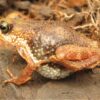
Exploring the Life of Bufo tuberculatus: The Hidden Gem Among Amphibians#
In the lush tapestry of the world’s tropical forests, among the shadowy, leaf-littered floors lies a remarkable amphibian whose inconspicuous charm often goes unnoticed—the Bufo tuberculatus. Also known affectionately as the “Rough-skinned Toad,” this amphibian species encapsulates nature’s remarkable adaptability and evolutionary perfection nestled within a small, unassuming body. Scientifically classified as Bufo tuberculatus, this species intrigues herpetologists, conservationists, and nature enthusiasts alike due to its unique behaviors, distinctive physical characteristics, and the crucial ecological role it plays within its ecosystem.
Imagine walking through a dense tropical forest after a rainfall. The air is moist, filled with the scent of damp earth and decaying leaves. Tiny droplets cling to branches like delicate crystal ornaments. Amidst the chorus of insects and occasional bird calls emerges a subtle yet distinct croaking sound, resonant and rhythmic. Following this gentle symphony leads you straight to our protagonist—the humble yet extraordinary Bufo tuberculatus.
Taxonomy and Classification#
Bufo tuberculatus belongs to the family Bufonidae, a diverse group commonly referred to as the true toads. This family encompasses numerous species known for their robust bodies, dry warty skin, and distinct parotoid glands behind their eyes. Within Bufonidae, the genus Bufo denotes toads adapted to a variety of habitats, widely distributed across continents ranging from Asia to the Americas to Africa.
Within its home range, B. tuberculatus is closely related to species such as Bufo melanostictus, sharing common physical traits and ecological niches yet distinguished by subtle morphological differences. Taxonomically, B. tuberculatus has sparked curiosity among researchers conducting genetic analyses, unraveling fascinating insights into amphibian evolution and diversification.
Natural Habitat#
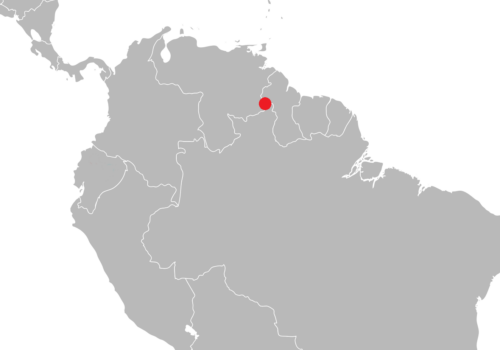
The Rough-skinned Toad is primarily distributed throughout the tropical and subtropical regions of Southeast Asia, including parts of Thailand, Malaysia, Vietnam, Cambodia, and southern parts of China. Unlike many amphibians limited to freshwater streams or ponds, Bufo tuberculatus thrives within humid lowland forests, wet woodlands, and montane foothills, favoring regions with significant rainfall and a perpetually humid microclimate.
This amphibian favors environments with generous leaf litter, offering both moisture retention and ample shelter. As twilight descends and humidity peaks, it ventures forth, navigating the dense undergrowth and forest floors. Its reliance on humidity, temperature stability, and leaf litter microhabitats underscores the importance of intact forests and undisturbed landscapes, where even subtle climatic fluctuations could profoundly affect their distribution and survival.
Physical Characteristics#
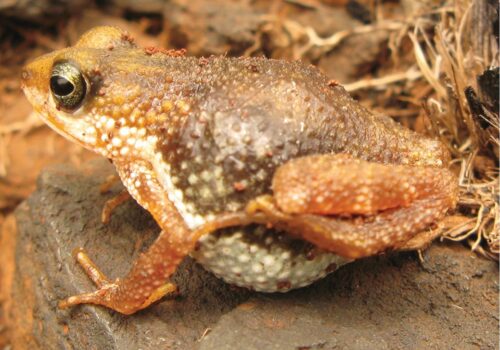
Bufo tuberculatus is immediately recognizable by its distinctive body structure and appearance. Typically small to medium-sized, adult specimens rarely exceed lengths of 6 to 8 centimeters. Their most defining feature, giving rise to their common name, is undoubtedly their heavily textured skin, generously adorned with rough tuberculate warts. These skin textures provide exceptional camouflage among leaf litter and forest debris, rendering them practically invisible to predators.
The coloration of B. tuberculatus further supports their expert disguise—typically a mottled pattern of earthen tones ranging from sandy beige and muted browns to leaf-green and dark umber. These cryptic patterns perfectly mimic the scattered hues of their forest-floor habitat, making each movement nearly indistinguishable from leaves rustling softly in breezes.
Behind their prominent eyes lie equally pronounced parotoid glands, which secrete mild toxins as a defense mechanism against would-be predators. Though their toxicity poses little threat to humans, these secretions effectively deter predators such as snakes, birds, and mammals, further illustrating the evolutionary ingenuity embedded within their physiology.
Behavior and Life Cycle#
Observing Bufo tuberculatus in the wild reveals much about its curious behaviors and adaptation tactics. Predominantly nocturnal, this species spends daylight hours nestled beneath thick vegetation, roots, logs, and leaf litter. With the onset of nightfall and rain showers, the toads become active, emerging to forage carefully across the forest floor.
Feeding Habits#
The diet of Rough-skinned Toads primarily consists of insects, arachnids, small mollusks, and occasionally earthworms. Equipped with sharp eyesight and remarkable tongue-control, they patiently ambush prey, accurately snapping up various species of ants, beetles, termites, and tiny crickets. Their hunting tactics, relying on stealth rather than pursuit, highlight their energy-efficient adaptation to forest-floor life.
Reproduction and Development#
Rainy seasons mark the most significant life event for Bufo tuberculatus populations—the breeding period. Encouraged by prolonged rainfall and heightened humidity, clusters of these otherwise solitary toads migrate toward shallow, temporary freshwater pools. Male toads emit characteristic mating calls—low-pitched trills intended to attract females while simultaneously establishing territorial boundaries.
Mating rituals often involve multiple males competing vocally for female attention, creating a unique, hypnotic chorus reverberating throughout nightly forests. Following mating, females deposit gelatinous strings or clusters of hundreds or sometimes thousands of tiny, black eggs, attaching them carefully to submerged vegetation or forest-floor debris within the shallow water.
Caring little for parental duties following egg deposition, adult toads depart, leaving larvae to hatch into tadpoles, rapidly adapting to feed energetically on algae and microorganisms. Within weeks, these tadpoles undergo spectacular metamorphoses, developing limbs and lungs, absorbing their gills, and losing their tail. Young juveniles then migrate onto land, establishing territories to begin their solitary, reclusive lives amid leafy shadows, starting the fascinating cycle anew.
Ecological Role#
Bufo tuberculatus may seem small and inconspicuous, yet its ecological influence reverberates deeply within tropical forests. These toads significantly regulate insect populations, controlling potentially harmful pest species. As a natural insectivore, their existence helps maintain ecological balance, indirectly benefiting agriculture near their distribution areas.
Additionally, Bufo tuberculatus larvae and juveniles serve as vital prey organisms, providing essential dietary resources for other wildlife, including birds, fish, snakes, and small mammals. Their presence, abundance, and overall health often serve as indicators of ecosystem integrity, reflecting habitat health, cleanliness, and overall biodiversity.
Threats and Conservation Status#
Despite adaptation strategies perfected through millennia, Bufo tuberculatus currently faces several challenges potentially endangering its survival. Primary threats include habitat loss stemming from exponential human population expansion, deforestation for logging and agriculture, urbanization, and pollution. Additionally, climate change threatens to disrupt the delicate moisture and temperature regimes essential for their precise reproductive cycles.
While accurate global population assessments remain challenging due to their isolated, scattered distribution and hidden nature, the species’ sensitivity to habitat alteration and chemical pollutants highlights the necessity of emphasizing conservation.
Currently, the International Union for Conservation of Nature (IUCN) officially recognizes Bufo tuberculatus as “Least Concern,” yet continual monitoring and local conservation efforts remain essential preventive measures. Initiatives focused on habitat protection, sustainable forestry practices, community education, and pollution mitigation are crucial for ensuring this humble amphibian’s ongoing survival.
Cultural and Scientific Significance#
In cultures indigenous to Southeast Asia, native amphibians like Bufo tuberculatus often assume subtle yet meaningful roles within traditional folklore, symbolizing harmony with nature and renewal brought forth by seasonal rainfalls. While there might not be direct veneration of this particular species, the general reverence for amphibians as indicators of ecological health and transformation is culturally deep-rooted.
Scientifically, the Rough-skinned Toad presents immense potential for researchers exploring evolutionary biology, ecological adaptation, amphibian toxicology, and indicator-species monitoring. Amphibians globally have prompted important discussions about biodiversity conservation, habitat preservation, and global climate health, encouraging scientists worldwide to pursue urgently needed conservation strategies.
Conclusion#
To glimpse into the secretive, fascinating world of Bufo tuberculatus is to witness the delicate intersection of evolution, ecology, and conservation. Its presence, while understated, matters immensely within the broader tapestry of life that defines tropical forest ecosystems. As guardians and admirers of our natural world, understanding and protecting these amphibians serves as a powerful testament to our commitment to ecological responsibility and biodiversity conservation.
Take a moment to celebrate the subtle wonders of Bufo tuberculatus, acknowledging how even the smallest creatures contribute profoundly to the richness and resilience of nature. Consider supporting local habitat conservation efforts, educating others about amphibian importance, and championing initiatives aiming to preserve the home of this incredible, hidden amphibian gem.