- Introduction: Meet Bufo spinosus, the Enigmatic Spiny Toad
- Taxonomy and Classification: A Toad by Any Other Name
- Natural Habitat: Life in the Mediterranean Landscape
- Physical Characteristics: Artful Adaptations
- Behavior and Life Cycle: The Secret Lives of Spiny Toads
- Ecological Role: Guardians of Ecosystem Health
- Threats and Conservation Status: Navigating a Changing World
- Cultural and Scientific Significance: An Amphibian Ambassador
- Conclusion: Preserving the Legacy of Bufo spinosus
Introduction: Meet Bufo spinosus, the Enigmatic Spiny Toad#
When night falls across the gently rolling hills and olive groves of southern Europe, a quiet yet captivating symphony begins. Amidst the rustling leaves and whispering streams, one distinct call stands out, a low resonant croak echoing through the darkness: the voice of the enigmatic spiny toad, Bufo spinosus. With its robust body, earthy coloration, and subtle yet distinctive spiny warts, this amphibian has long captured the intrigue of naturalists, conservationists, and curious observers alike.
Bufo spinosus, commonly known as the spiny toad, belongs to a family of species characterized by their fascinating biological adaptations and their essential roles in ecological balance. Often misunderstood due to its somewhat gruff appearance, this humble amphibian possesses an elegance in adaptation and ecological function, offering crucial insights into the health and condition of the habitats it occupies.
But beyond mere biology lies a fascinating narrative involving clever survival strategies, striking behaviors, and compelling conservation needs. Let’s embark on a journey through forests, rivers, and rural landscapes to uncover the hidden story behind Europe’s unique spiny toad.
Taxonomy and Classification: A Toad by Any Other Name#
The spiny toad is scientifically recognized as Bufo spinosus, part of the Bufonidae family—the familiar “true toads.” The genus Bufo includes a diverse group of hardy amphibians spreading across Europe, Asia, and North Africa. Until relatively recently, Bufo spinosus was classified under the species Bufo bufo, the common European toad, and was only recognized as a distinct species based on detailed genetic and morphological analyses conducted by scientists in the past few decades.
Cousins to the common European toad, Bufo spinosus can be distinguished by subtle yet meaningful differences, including the presence of more pronounced parotoid glands behind the eyes and distinctive spine-like protrusions on their wart-covered skin—features that grant this intriguing amphibian both its common and scientific names.
Natural Habitat: Life in the Mediterranean Landscape#
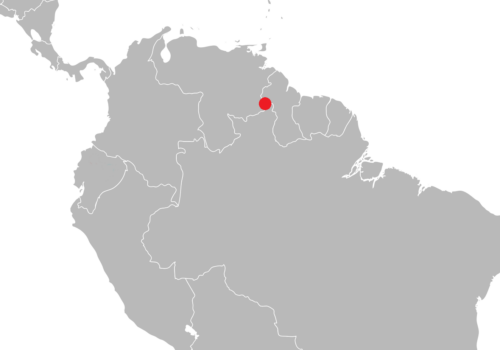
The spiny toad primarily inhabits the warm, welcoming climates of Western Europe and parts of North Africa. With a range stretching from the Iberian Peninsula across southern France to northern Italy and portions of Morocco, Algeria, and Tunisia, their home embodies the quintessential Mediterranean landscape.
A Mosaic of Habitats#
Within these regions, Bufo spinosus adeptly inhabits various ecosystems, blending silently into patchwork woodland habitats, open fields, rustic orchards, and gently flowing riverbanks. Especially favoring scrubland and areas of mixed deciduous forests, the spiny toad flourishes in moist locations where ample cover and food sources occur. It seeks out temporary pools, slow-moving streams, ponds, and agricultural water reservoirs for breeding purposes—areas essential for sustaining healthy populations.
The toad’s nocturnal nature facilitates its survival within human-altered landscapes, allowing it to utilize lawns, gardens, and fields, often unnoticed and generally underappreciated by its human counterparts.
Physical Characteristics: Artful Adaptations#
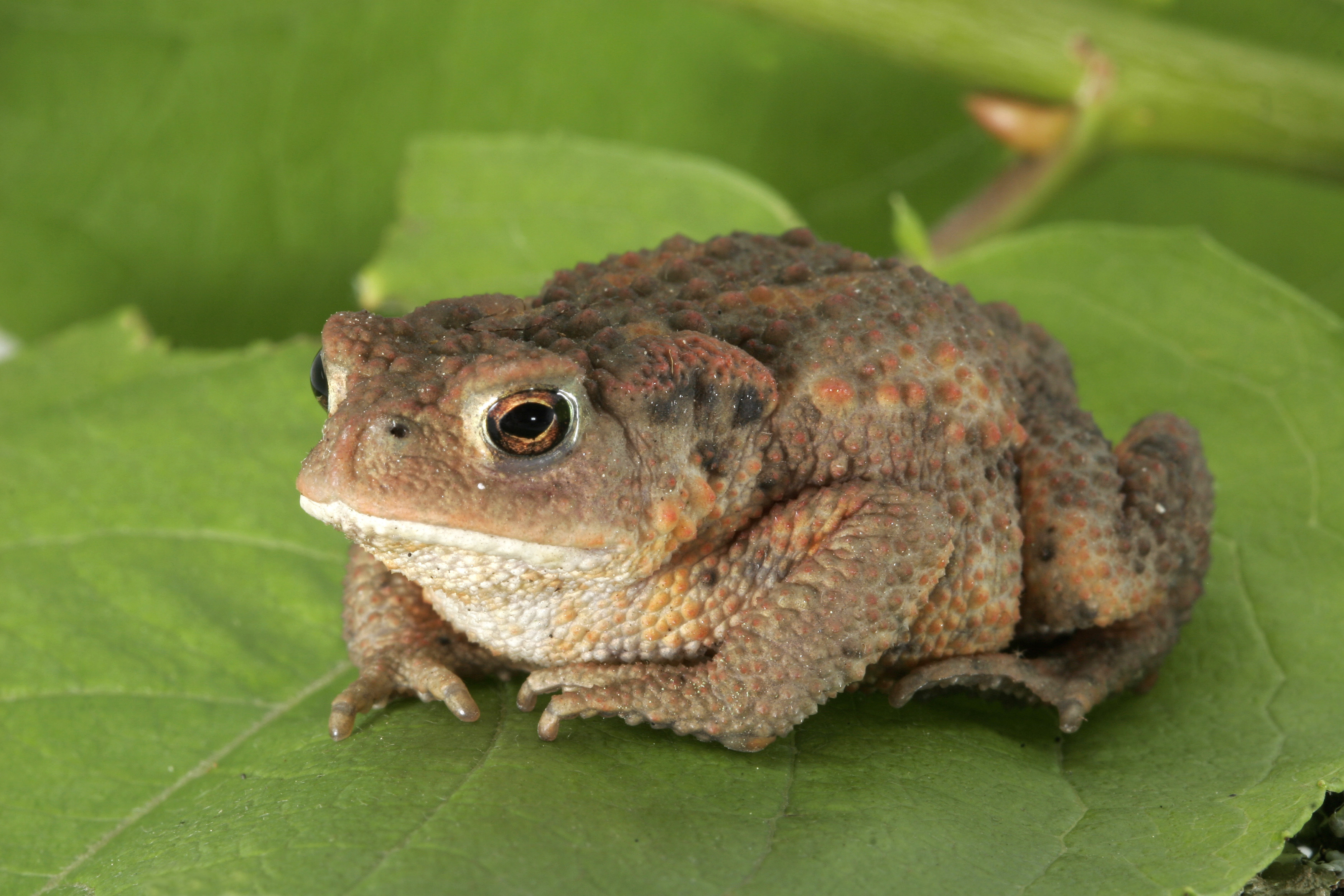
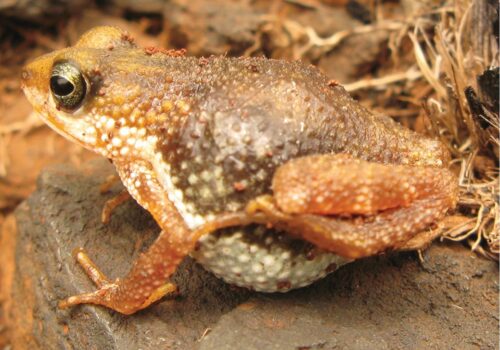
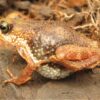
The spiny toad can reach lengths up to 15 centimeters, with adult females typically being far more substantial than males. Reflecting an evolution well-adapted to a terrestrial lifestyle, its bulky body lends it distinct defensive advantages. Their coloration ranges vastly, from olive-brown shades to muted earth tones, speckled with darker blotches facilitating camouflage within leaf litter and rocky terrain.
The Significance of Spines and Glands#
Perhaps the most immediately notable feature of Bufo spinosus is its earnestly named spine-covered skin. These wart-like bumps aren’t merely aesthetic; they produce secretions of potent toxins (bufotoxins) acting as an effective deterrent to predators attempting to consume it. Combined with enlarged parotoid glands located just behind the eyes, spiny toads possess one of nature’s more intriguing defensive arsenals.
Beyond defense, the roughened texture of their skins helps retain moisture, making them remarkably adapted to enduring the hot, dry climates of Southern Europe’s Mediterranean summers. Such multidimensional physical adaptations represent thousands of years of fine evolutionary tuning, allowing this toad to thrive in diverse, sometimes challenging conditions.
Behavior and Life Cycle: The Secret Lives of Spiny Toads#
Nocturnal Ambush Predators#
As night blankets their woodland home, Bufo spinosus emerges from daytime hiding spots beneath logs, stones, or leaf litter, setting out silently to embark upon nocturnal hunting adventures. Powerful yet efficient predators, they primarily feed on insects—beetles, moths, earthworms, snails, ants—and occasionally even small rodents or reptile hatchlings. With sharp eyesight and rapid, sticky tongue strikes, they expertly capture prey, precisely tuned into the slightest movements in the dark landscape around them.
A Mysterious Chorus: Mating Calls and Breeding Behaviors#
The seasonal migration and high activity around February to April mark the breeding ritual of the spiny toad. Males gather around shallow, quiet waters, ready to serenade potential mates with deep rhythmic croaks, audible from several meters away. Their vocalizations, while not melodious to human ears, convey valuable information—alerting rival males to their presence and attracting receptive females from nearby hiding spots.
Once pairing occurs, the female lays thousands of gelatinous eggs arranged in distinctive strings intertwined around underwater vegetation or driftwood. After two to three weeks, a myriad of tiny tadpoles hatch, initiating a spectacular developmental journey from aquatic larvae to terrestrial juveniles, metamorphosing rapidly within 2–3 months. Mortality is high at this vulnerable stage, and few tadpoles successfully become adults, yet a healthy adult population ensures continuation and stability of the species.
Ecological Role: Guardians of Ecosystem Health#
Within their ecosystems, spiny toads act as significant regulators of insect populations, significantly controlling pest numbers around agricultural areas and gardens. Furthermore, their sensitivity to environmental disturbances makes them valuable biological indicators. Healthy populations often signal robust ecosystems, while declining numbers indicate underlying environmental issues such as pollution or habitat degradation warranting further investigation.
Moreover, as critical prey species to mammals, birds, and reptiles resistant to their toxins, spiny toads provide nourishment within food webs, creating interconnected bonds in biodiversity patterns—a key element in maintaining ecological balance.
Threats and Conservation Status: Navigating a Changing World#
Thankfully, Bufo spinosus is listed as Least Concern by the International Union for Conservation of Nature (IUCN), signaling stable populations across much of its range. Nonetheless, the spiny toad confronts several modern threats. Habitat loss resulting from urbanization, agricultural intensification, and wetland drainage continues to fragment and degrade vital breeding sites and terrestrial habitats.
Pesticides and pollutants impact tadpole survival rates, while climate change potentially disrupts their breeding cycles, exacerbating drought conditions and affecting water availability. Conservationists emphasize the importance of maintaining biodiversity corridors, protecting wetland habitats, and reducing pesticide usage to ensure the continued well-being of this resilient, fascinating amphibian.
Cultural and Scientific Significance: An Amphibian Ambassador#
The spiny toad holds cultural significance in many regions, symbolizing resilience and adaptability. Folklore and traditional beliefs across Mediterranean communities portray amphibians as conduits of renewal and transformation. Scientifically, Bufo spinosus provides opportunities for profound ecological and biological research, yielding critical insights into the effects of climate variability, habitat fragmentation, and amphibian health in European ecosystems.
Conclusion: Preserving the Legacy of Bufo spinosus#
The common spiny toad, Bufo spinosus, represents more than mere biodiversity; it embodies adaptability, ecological value, and the quiet beauty hidden within misunderstood organisms. As its resonant croak echoes gently through moonlit Mediterranean landscapes, its conservation story resonates equally strongly, reminding us of our responsibility to protect diverse life forms sustaining the ecosystems essential to life itself.
Let us cherish and preserve the habitat of this remarkable creature, appreciating its subtle presence as reflective of our collective consciousness toward protecting nature’s rich tapestry.