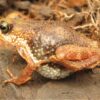
- Bufo rubroventromaculatus: Exploring the Mysterious Life of the Red-Spotted Toad
Bufo rubroventromaculatus: Exploring the Mysterious Life of the Red-Spotted Toad#
Nestled quietly beneath moist leaf litter, concealed within the emerald embrace of tropical foliage, resides a small amphibian whose existence often escapes casual observation—the Bufo rubroventromaculatus. Known commonly as the Red-Spotted Toad, this fascinating species weaves a silent yet crucial thread through the rich tapestry of its ecosystem. With colorations that meld seamlessly into its surroundings, yet reveal bursts of vibrant red spots against a dusky background, this modest amphibian immediately captures the imagination of anyone fortunate enough to uncover its secretive presence in the wild.
Scientifically classified as Bufo rubroventromaculatus, this curious amphibian embodies the delicate balance typical of tropical forest ecosystems. While often overshadowed by more prominent and charismatic species, amphibians like this one are keystones of biological diversity and vital indicators of environmental health. As a species intriguing both scientists and nature enthusiasts alike, understanding its biology, behavior, and ongoing conservation status can broaden our appreciation of life’s abundant variety—and our responsibility to protect it.
Taxonomy and Classification#
Bufo rubroventromaculatus belongs to the Bufonidae family, commonly known as true toads. Within this vast family representing numerous species distributed across diverse habitats worldwide, each member possesses distinctive adaptations and behaviors that help define its place within the broader amphibian lineage. Like its relatives, Bufo rubroventromaculatus showcases characteristics typical of true toads: a sturdy body, shortened limbs, and prominent parotoid glands—features that have allowed it to thrive within its specialized niche.
The scientific categorization outlines its genus as Bufo, a genus defined by generally terrestrial habits and toxin-secreting glands, affording each species within the group a certain defensive edge against predation. Closely related species within the Bufo genus also display remarkable adaptations suited to their respective environments, each providing rich opportunities for studies in evolutionary biology and ecology. Hence, exploring the taxonomic place that Bufo rubroventromaculatus inhabits allows us a clearer insight into how evolution has molded amphibian life in varied ecological niches.
Natural Habitat#
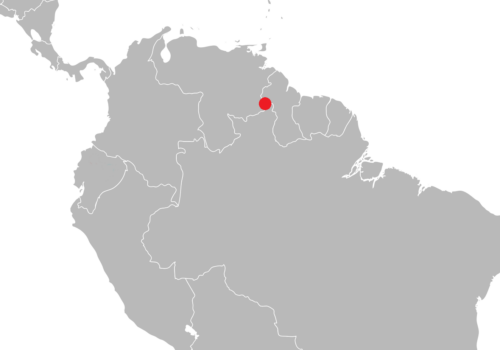
The Red-Spotted Toad finds its natural home amidst the lush tropical and subtropical forests of certain regions of Southeast Asia, primarily within parts of India and Southern China. Here, deep beneath the dense canopy where sunlight rarely peeks through, these toads create hidden refuges among damp leaves, fallen logs, and mossy earth—environments that remain consistently humid, shadowy, and rich in biodiversity. Diving deeper into these untamed forests rarely visited by humans, one can understand why such pristine habitats are crucial for the survival of this and many similar species.
Preferred Microhabitats and Ecological Needs#
Unlike amphibians enjoying open sunlight or watery pools, Bufo rubroventromaculatus displays a preference for shaded, terrestrial areas with high moisture content. These areas are typically abundant in leaf litter and decomposing organic debris which retain moisture essential for amphibian skin hydration and respiration. Additionally, by residing in such richly vegetated areas, the Red-Spotted Toad benefits from plentiful prey availability, ample shelter opportunities, and protection from daytime predators.
Within these shaded realms, the ambient humidity allows the toads to maintain optimal moisture levels required for their skin-breathing biology. Seasonal water sources, such as temporary pools and slow-moving streams, additionally serve as crucial breeding sites, enabling them to sustain their population cycles annually.
Physical Characteristics#
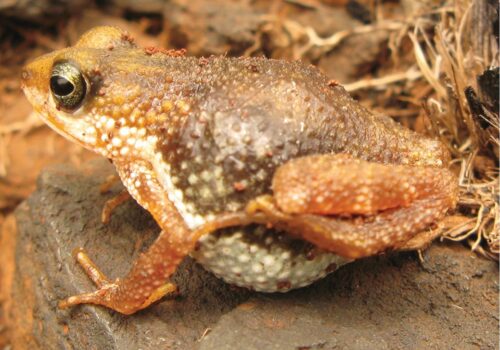
The first glimpse of Bufo rubroventromaculatus often strikes observers with its discreet beauty and unique coloration. Medium-sized among toad species, adults typically measure between 5 and 9 centimeters. Their compact bodies and robust limbs equip them ideally for terrestrial life and occasional burrowing, while their skin’s warty texture wards off smaller predators and parasites.
This species possesses an especially noteworthy coloration. Its dorsal side exhibits shades of brown, black, and occasionally olive green—natural hues expertly crafted by evolution to blend seamlessly with the forest floor environment. Beautifully dispersed across their otherwise inconspicuous bodies lie numerous distinct red or scarlet spots, from which their common name derives. These vibrant markers primarily appear on their belly (ventral surface), flanks, and the undersides of their limbs, creating a striking juxtaposition against their more muted upper sides.
These bright spots are more than mere decoration; researchers hypothesize that the vivid red coloration functions as aposematic signaling—a warning to potential predators of the toxic chemicals housed in specialized glands behind their eyes and along their skin. Indeed, the Red-Spotted Toad houses toxin-producing parotoid glands capable of secreting a mildly toxic substance that deters predators and protects them from harm, an evolutionary trick mastered by many amphibians evolving in predator-rich habitats.
Behavior and Life Cycle#
Diet and Foraging Habits#
In the dim twilight beneath tangled branches, a Red-Spotted Toad emerges from its hidden niche to hunt. Primarily navigating by twilight hours—dawn and dusk—they exhibit clear nocturnal or crepuscular patterns. Their diet predominantly consists of insects and other small arthropods abundant within their forest floor habitat: beetles, ants, moths, and larvae form the bulk of their prey.
Employing remarkable patience and precision, these amphibians sit motionless, eyes alert, patiently waiting for a momentary rustle in the leaf litter signaling an approaching insect. With lightning quickness, their sharply protrusible tongues dart forth, ensnaring prey and swiftly delivering it into their waiting mouths. Observing Bufo rubroventromaculatus foraging in the wild offers profound insights into their integral place within the trophic web, as both consumer and prey.
Breeding, Development, and Parental Care#
During the wet season, breeding behaviors reach peak frequency. Male Red-Spotted Toads take their position in shallow waters, producing distinctive calls—low-pitched croaks resonating like distant echoes through the humid evening—to attract receptive females. Once paired, breeding pairs engage in amplexus behavior, with males clasping females firmly, fertilizing eggs released into water sources.
Egg clusters, gelatinous and transparent, adhere to submerged vegetation or float atop quiet pools. Larval development occurs swiftly, and tiny tadpoles soon emerge, harmlessly feeding on algae and microscopic plant matter. Within weeks these tadpoles undergo transformation—the remarkable process known as metamorphosis—eventually emerging as miniature adult forms, ready to begin their terrestrial existence.
Notably, parental care beyond egg-laying is minimal; juveniles quickly adapt independently to their forest niches, demonstrating amphibians’ innate resilience and adaptability in highly dynamic environments.
Ecological Role#
The Red-Spotted Toad serves as an essential ecological connector in tropical ecosystems. As insect predators, adults help control insect numbers, contributing to balanced environmental relationships and maintaining forest health. Simultaneously, they constitute critical prey resources for larger predators—birds, snakes, and small mammals—thus reinforcing natural interactions and ecosystem integrity. Their status as bioindicators highlights their importance, as fluctuations in their populations often signal environmental disturbances long before effects become visibly apparent across broader levels.
Threats and Conservation Status#
Currently, Bufo rubroventromaculatus faces considerable pressures that threaten its continued existence in the wild. Rapid deforestation and habitat fragmentation pose significant conservation threats—the relentless march of agriculture, timber harvesting, expanding urban settlements, and infrastructure encroachment directly fuel habitat loss, leaving smaller areas for viable populations.
Additionally, climate change affects moisture regimes and seasonal rainfall patterns essential to their breeding cycles. Amphibian populations worldwide have already witnessed significant declines from diseases such as chytrid fungus; however, detailed studies addressing its direct impact on Bufo rubroventromaculatus specifically are sparse, warranting further scientific scrutiny and conservation attention.
Cultural and Scientific Significance#
In many regions where this species occurs, toads often feature prominently in folklore as symbols of fortune, fertility, or warnings from nature itself. Although specific traditional references directly addressing Bufo rubroventromaculatus remain undocumented, amphibians as a whole carry past cultural resonance, hinting at deeper understanding among traditional societies toward their importance—demonstrating interwoven human-nature relationships through generations.
From a scientific perspective, studying amphibians like the Red-Spotted Toad contributes invaluable insights into ecosystem health, conservation biology, ecological resilience, and evolutionary adaptation—key variables central to understanding our planet and preserving biodiversity.
Conclusion: A Call for Greater Awareness and Conservation#
The quietly compelling story of Bufo rubroventromaculatus reveals a species vital to its ecosystem’s overall health—one deserving greater recognition. Through enhanced awareness, inspired conservation action, and strategic scientific inquiry, we can secure its future, ensuring that the voice of the Red-Spotted Toad remains heard in the harmony of nature’s diverse chorus, sustained indefinitely for generations to come.