- Introduction: Meet the Fascinating Bufo praetextatus
- Taxonomy and Classification
- Natural Habitat: A Striking Home in South America
- Physical Characteristics: Mastery in Disguise and Defense
- Behavior and Life Cycle: The Elusive Mystery Unfolded
- Ecological Role: Guardians of Ecosystem Balance
- Threats and Conservation Status: A Critical Time for Action
- Cultural and Scientific Significance: Beyond Biology
- Conclusion: Championing the Cause of Bufo praetextatus
Introduction: Meet the Fascinating Bufo praetextatus#
In the intricate dance of nature unfolding within South America’s lush ecosystems, amphibians are perhaps some of the most captivating performers. Among them, the enigmatic crested toad known scientifically as Bufo praetextatus commands attention, not merely through its curious appearance but also its remarkable adaptations and essential ecological role. Commonly called the South American Crested Toad, B. praetextatus sparks intrigue among scientists and wildlife enthusiasts alike, offering insightful clues into the health of its habitat.
A quirky fact about these remarkable amphibians: males develop distinctive cranial crests during breeding seasons—a stylistic extravagance that only intensifies interest in their captivating life cycles and intriguing behaviors.
Taxonomy and Classification#
The study of amphibians is anchored firmly in clarity of classification. Bufo praetextatus belongs to the family Bufonidae, comprising the true toads, characterized by their rugged, dry skin, shorter limbs, and striking cranial crests present in many species. Within the genus Bufo, this species claims a unique positioning through both morphology and behavioral adaptations.
Comparisons across related species, such as the Cane Toad (Rhinella marina), further illuminate the fascinating pathways of evolution and divergence. Genetic analysis frequently reveals compelling connections and distinctions, offering insight into biogeographical migrations and evolutionary pressures that shaped this incredible species’ adaptations.
Natural Habitat: A Striking Home in South America#
Geographic Distribution#
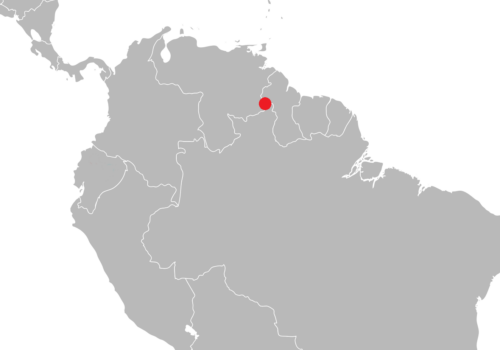
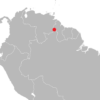
Bufo praetextatus is predominantly found inhabiting regions of central and southeastern Brazil, as well as certain areas of Paraguay, Uruguay, and northern Argentina. It has adapted impressively to subtropical climates, demonstrating an exceptional ability to colonize somewhat varied terrains while clearly favoring specific environmental conditions for shelter and breeding.
Habitat Preferences#
This unique amphibian thrives primarily within lush, subtropical forests, moist grasslands, and riparian ecosystems marked by clear freshwater streams and ponds fringed by dense vegetation. It prefers sheltered forest floors, rich in leaf litter and decomposing vegetation, offering plenty of hiding opportunities from predators and elements alike. The moisture-strewn shelters beneath fallen logs or burrows provide cool refuge during the hottest daylight hours.
Perhaps the most telling anecdote of habitat preference shines bright during breeding seasons, as adults venture to specific ephemeral water bodies rich in vegetation. This nuanced habitat selection illustrates their close environmental relationships, providing critical insights into habitat preservation strategies essential for their survival.
Physical Characteristics: Mastery in Disguise and Defense#
A marvel of amphibian evolution, Bufo praetextatus captivates observers through impressive physical traits intertwined seamlessly with habitat and adaptation. Growing typically between 6 to 9 centimeters (2.4–3.5 inches) in length, these medium-sized toads exhibit robust yet compact bodies. They boast sturdy limbs perfect for traversing dense leaf litter, hopping through tangled undergrowth, or quickly digging burrows when predators appear.
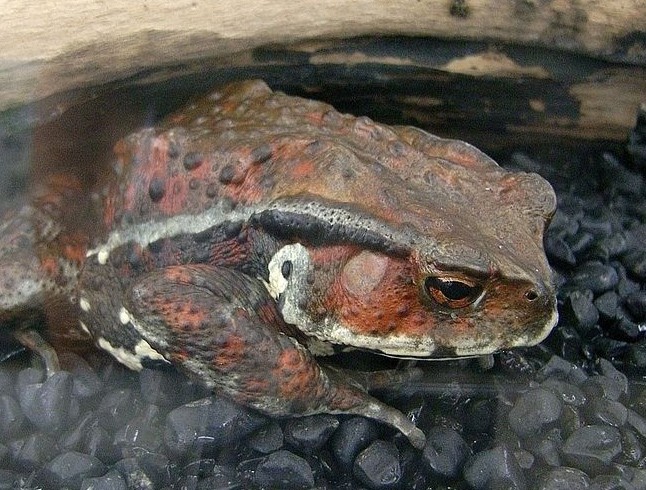
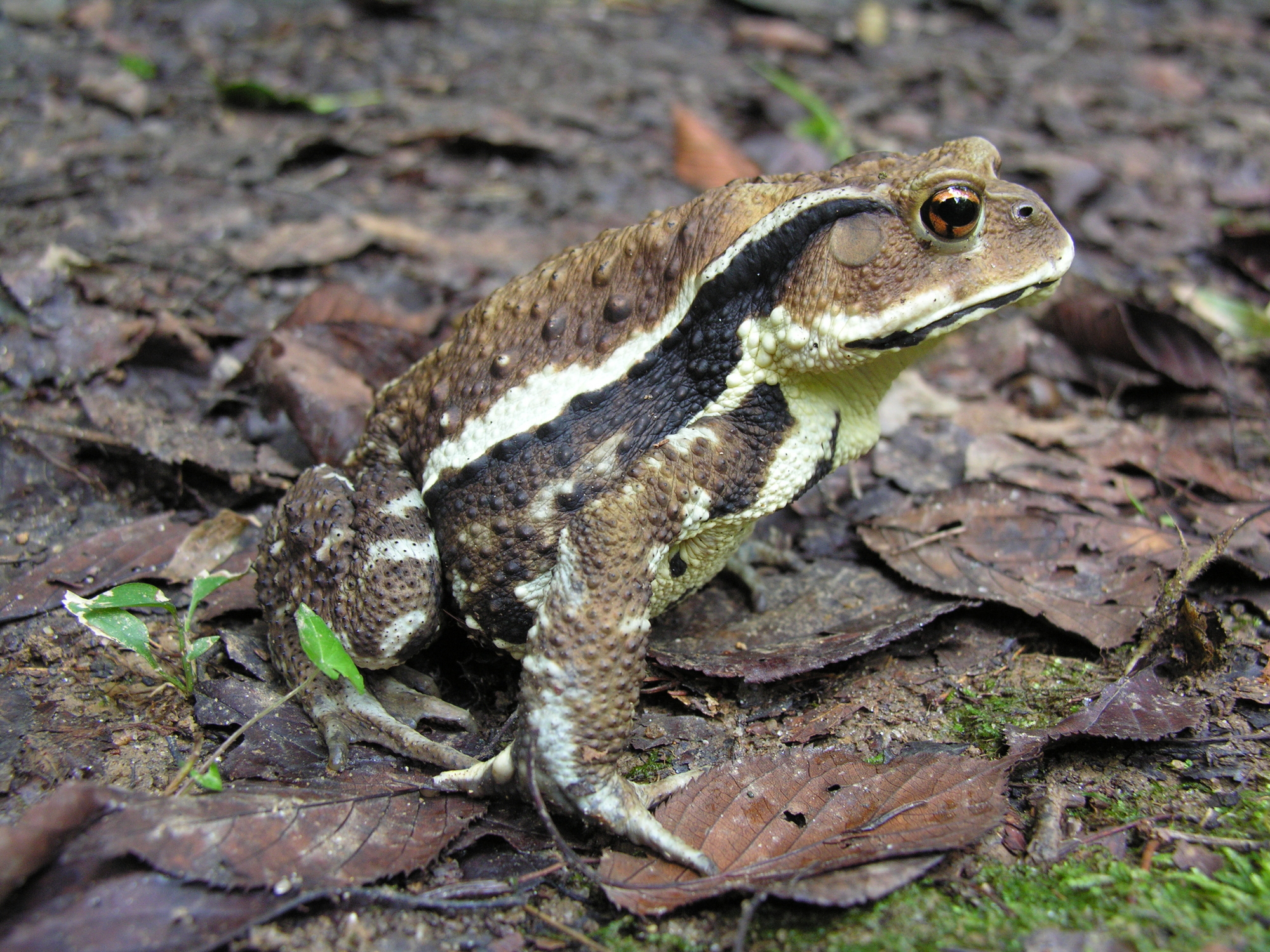
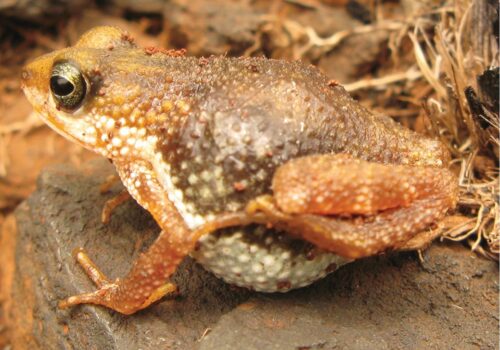
Their textured skin ranges from olive-green and sandy-brown hues to darker earthy tones, speckled generously with intricate markings that lend themselves effortlessly to camouflage within leaf litter and damp soil. Notably, extended cranial ridges curve prominently from behind their eyes—especially pronounced in reproductive males. These crests serve as indicators of breeding fitness, potentially aiding visual identification amongst competitors and mates.
Additionally, their skin secretes mildly toxic compounds through specialized parotoid glands behind their eyes— an evolutionary innovation aimed at deterring predators, adding another layer to their complex adaptive strategy.
Behavior and Life Cycle: The Elusive Mystery Unfolded#
Foraging and Feeding Habits#
As nocturnal hunters, B. praetextatus transforms each night into an audacious quest for food, using impeccable stealth and agility. Small insects, spiders, earthworms, and various invertebrates make up their staple diet. Guided by acute eyesight and sensitive vibrations from prey movement, these toads expertly execute rapid, decisive ambushes, demonstrating impressive predatory instincts and survivability.
Breeding Rituals and Developmental Wonders#
Perhaps the most enchanting moments in the life of B. praetextatus occur during the rainy season, when tranquil freshwater pools, ponds, and stream edges erupt in sound—a chorus resonant with the distinctive deep trill of calling males. Upon arrival, males stake territories, bold cries echoing into the darkness to attract females and challenge rival suitors.
Once mating pairs are established, females deposit strings of gelatinous eggs within sheltered, shallow waters. The ensuing tadpoles, small yet resilient, feed predominantly on algae and organic debris, swiftly growing and transforming through metamorphosis, miraculously emerging from water to land as miniature replicas of adults—ready and well-adapted to terrestrial life. This transformation represents the profound adaptation and complexity imbued within amphibian lifecycles.
Ecological Role: Guardians of Ecosystem Balance#
Bufo praetextatus holds significant ecological importance within its habitat. Operating as diligent pest controllers, these amphibians regulate populations of insects, spiders, and small invertebrates—thereby supporting the overall balance of biodiversity. Conversely, as prey, they form vital nutritional components for numerous predators—including snakes, birds, and mammals—thus anchoring key food web interactions at multiple ecological layers.
Critically, as highly sensitive amphibians, their susceptibility to environmental changes makes them valuable bioindicators. Any fluctuations in population numbers or distribution frequently signal vital clues regarding environmental quality—offering early warnings of ecological distress within their ecosystems.
Threats and Conservation Status: A Critical Time for Action#
Current Challenges#
Amidst escalating global environmental challenges, B. praetextatus faces numerous threats. Principal among these dangers is habitat loss through rampant deforestation, agricultural encroachment, and urban expansion eroding subtropical forests and wetlands essential for their survival. Climate fluctuations altering rainfall patterns and hydrological regimes challenge crucial reproductive seasons, fragmenting and shrinking available habitats. Diseases like chytridiomycosis further compound pressures on their weakened populations.
Conservation Initiatives and Status#
According to recent evaluations by the International Union for Conservation of Nature (IUCN), Bufo praetextatus currently holds the classification “Least Concern” due to its relatively widespread presence. However, localized populations still face significant pressure, and trends in habitat fragmentation suggest future conservation actions will be vital for sustained population viability.
Focused conservation efforts advocate biodiversity-friendly agricultural practices, habitat restoration initiatives, increasing public awareness, and rigorous habitat protection policies. These cooperative actions ensure continued existence—not only of this remarkable amphibian but also of the entire ecosystem they inhabit.
Cultural and Scientific Significance: Beyond Biology#
Interestingly, South American indigenous cultures often attribute toads symbolic significance, symbolizing fertility, rebirth, and environmental health—a testament deeply rooted in local traditions that reverently coexist with wildlife. Scientists further appreciate the species for their unique toxin secretions, which offer promising insights into developing novel pharmaceutical applications.
Moreover, as bioindicators, monitoring their populations yields critical indications regarding climate change and environmental degradation, empowering crucial scientific interventions to steer conservation decisions effectively.
Conclusion: Championing the Cause of Bufo praetextatus#
With intricate ecological connections and charismatic traits, Bufo praetextatus climbs beyond mere amphibian categorization, emerging as a vivid symbol of environmental health and biodiversity. Their persistence resonates closely with ours, their fate deeply intertwined with the choices we make regarding our shared environment.
Enthusiasts, nature advocates, students, and ordinary individuals alike have ample motivation toward conservation efforts. Through education, increased awareness, and collaborative conservation initiatives, we protect more than a remarkable species—we ensure harmony, stability, and life itself within our planet’s rich tapestry of nature.
Let us embrace our responsibility as informed voices for wildlife conservation, supporting and championing the fascinating world of amphibians, embodied beautifully among these marvelous crested creatures—guardians and indicators alike, the captivating Bufo praetextatus.