- Bufo gargarizans: The Intriguing Life of the Asiatic Toad
- Taxonomy and Classification of Bufo gargarizans
- Natural Habitat: Embracing the Forest Floor
- Physical Characteristics: The Subtle Beauty of Adaptation
- Behavior and Life Cycle: A Dance of Survival
- Ecological Role: Guardians of Ecological Balance
- Threats and Conservation Status: Navigating Challenging Waters
- Cultural and Scientific Significance: Toads in Human Culture and Research
- Conclusion: Appreciating a Humble Amphibian Hero
Bufo gargarizans: The Intriguing Life of the Asiatic Toad#
Beneath a canopy woven thick with leaves, damp soil blanketed by moss glistens faintly under moonlight. Here, among nestled roots and dense vegetation, quietly lives a remarkable amphibian—Bufo gargarizans, the Asiatic toad. Known for its distinctive croaking calls that reverberate harmoniously through twilight forests, this species enchants naturalists and conservationists alike. Found widely across East Asia, Bufo gargarizans has not only evolved fascinating survival strategies but plays subtle, yet essential roles in its ecosystems.
Despite its humble demeanor and modest appearance, this toad harbors fascinating adaptations—venomous secretions, resilient skin, and captivating behavioral rituals—that illuminate how intricately nature intertwines form, function, and environment. As amphibian species worldwide face increasing existential threats, understanding the nature, habitat, and ecological significance of Bufo gargarizans has never been more vital.
Taxonomy and Classification of Bufo gargarizans#
Scientifically known as Bufo gargarizans, the Asiatic toad belongs to the class Amphibia and the order Anura. Within the family Bufonidae, commonly known as “true toads,” this species fits comfortably within the genus Bufo, famous for their familiar appearance and resilient nature. Though once grouped broadly within a wide-ranging species complex, careful genetic studies and morphological analyses have delineated clear differences, solidifying Bufo gargarizans as a distinct entity.
This precise understanding of taxonomic placement allows for more targeted conservation measures and a deeper appreciation of their singular ecological niche. Closely related species within the genus share similar morphologies and behaviors; however, regional adaptations have allowed Bufo gargarizans to flourish uniquely in its habitat range across East Asia.
Natural Habitat: Embracing the Forest Floor#
Geographic Range and Distribution#
The Asiatic toad largely inhabits temperate zones of East Asia, prominently found in China, Korea, Japan, eastern Russia, and Mongolia. Its adaptability means it’s equally at home in humid forests, rice paddies, farmland margins, grassland edges, and village outskirts. From dense, subtropical forests in China to grasslands bordering the Siberian wilderness, its resilience and flexibility are testaments to evolutionary ingenuity.
Habitat Preferences and Ecological Functons#
Preferring moist, cool terrains sheltered from harsh sunlight, Bufo gargarizans excels at exploiting microhabitats rich in organic materials—leaf mold, rotten logs, and damp crevices beneath rocks. These habitats are not simply shelters; they’re ecological stages upon which these toads play a pivotal role as pest controllers and prey animals.
The humidity and temperature gradients afforded by these microhabitats sustain vital physiological functions like hydration and skin respiration. By residing close to agricultural fields where insects proliferate, they help maintain balanced insect populations, indirectly assisting farmers by reducing reliance on chemical pesticides.
Physical Characteristics: The Subtle Beauty of Adaptation#
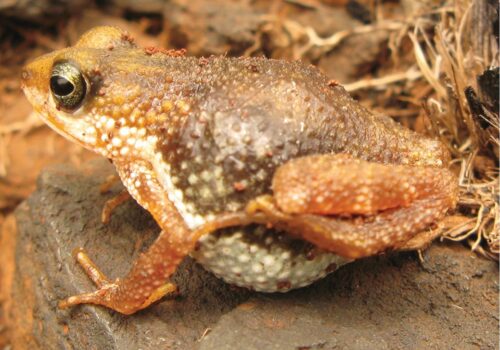
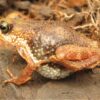
Bufo gargarizans is frequently described as modest in appearance, yet to the discerning observer, subtle beauty emerges. Adults typically boast sturdy, squat bodies ranging from 6 to 12 centimeters in length, females generally outgrowing males. Their robust limbs, adapted for hopping and walking rather than high-powered jumps, grant steady mobility through uneven terrain.
Their coloration varies remarkably—earthy browns, olive greens, or muted grays peppered with warts and darker spots—creating exceptional camouflage. Their granular, wart-covered skin produces toxin-secreting glands behind their heads known as parotoids, vital for defense against predators. These mild toxins deter potential attackers, offering a powerful evolutionary adaptation despite the toad’s otherwise gentle demeanor.
One compelling physical trait is their golden-hued eyes, bearing distinctive horizontal pupils—adaptations to their nocturnal habits and keen insect hunting. Their leathery skin not only facilitates moisture and temperature regulation but also provides essential protection from environmental hazards.
Behavior and Life Cycle: A Dance of Survival#
Feeding Habits and Prey Selection#
Nocturnal hunters by nature, these amphibians emerge at dusk to feast on insects, small worms, spiders, and other invertebrates. Subtle and patient, they rely on stealth and ambush tactics rather than speed. Bufo gargarizans keenly observes prey with exceptional vision, swiftly flicking out sticky tongues to capture unsuspecting insects. Their diet serves a critical ecological role, managing insect populations and indirectly preserving plant health.
Mating and Reproduction#
As winter releases its grip and early spring rains replenish nesting sites, Asiatic toads gather en masse around shallow ponds, slow-moving streams, and wetlands for breeding season—a truly captivating natural event. Mating calls, resonant and vibrant, awaken silent nights, creating a symphony audible from considerable distances. Males produce distinctive “gargarizing” calls, deeply resonant and rarely forgotten once heard, earning the species its unique name.
Bufo gargarizans females lay long gelatinous strings containing thousands of tiny black eggs. These egg strands wrap delicately around submerged vegetation or float gently in shallow waters, soon becoming the nursery for gelatinous clusters of wriggling tadpoles. After several weeks as tadpoles, metamorphosis transforms these aquatic larvae into miniature terrestrial toadlets, venturing hesitantly yet determinedly onto land.
Ecological Role: Guardians of Ecological Balance#
As efficient insectivorous predators, Bufo gargarizans significantly influences insect abundance and distribution. They maintain equilibrium in food webs—limiting insects that would otherwise cause damage to crops and forests. As prey, they nourish predators such as snakes, birds, and small mammals, fueling complex food chains.
Moreover, amphibians like Bufo gargarizans serve as sensitive bioindicators. Their permeable skin and biphasic lifecycle mean environmental contaminants can disrupt their health and reproduction, signaling potential ecosystem concerns well before larger-scale damage occurs. Protecting their habitats thus preserves ecosystem integrity and highlights environmental quality.
Threats and Conservation Status: Navigating Challenging Waters#
Environmental Challenges and Population Pressures#
While Bufo gargarizans remains relatively stable compared to many amphibians worldwide, significant threats persist: habitat loss, urbanization, chemical pesticides, water pollution, and emerging diseases like chytridiomycosis pose growing challenges. Climate shifts also impact their breeding cues and tadpole development, subtly altering population dynamics amid uncertain futures.
Conservation Efforts#
Though currently classified by the IUCN as “Least Concern,” fragmented populations in heavily polluted or urbanized regions warrant monitoring and proactive conservation. Community-driven habitat conservation programs, pesticide reduction campaigns, and dedicated amphibian monitoring groups effectively help maintain stable populations. Conservation education initiatives elevate awareness, ensuring broad community support enhancing long-term survival prospects.
Cultural and Scientific Significance: Toads in Human Culture and Research#
Bufo gargarizans holds special cultural significance in Asian folklore. In Chinese traditions, the toad symbolizes prosperity, potency, and good fortune. Additionally, traditional medicinal practices have historically employed parts of these toads, though increasing public awareness now demands sustainable, ethical practices.
Scientifically, studying Bufo gargarizans has illuminated unique biochemical adaptations, particularly their skin toxins and antimicrobial peptides. Research has explored these compounds for medicinal properties, potentially leading to antibiotic or antiviral breakthroughs. Bufo gargarizans, therefore, becomes more than a simple amphibian—it’s a bridge linking ecology, culture, science, and human well-being.
Conclusion: Appreciating a Humble Amphibian Hero#
The Asiatic toad, Bufo gargarizans, epitomizes nature’s intricate beauty and ecological importance. Whether subtly concealed in moss-covered forests, orchestrating dusk-time insect control, or harboring chemical secrets valuable to modern medicine, this amphibian deserves recognition and protection. As stewards of our shared natural heritage, let us champion efforts that protect diverse ecosystems, ensuring future generations experience the enchanting presence—and reassuring chorus—of these remarkable toads.