- Meet Bufo exiguus: The Enigmatic Dwarf Toad of Northern Africa
- Uncovering the Scientific Identity of Bufo exiguus
- A Landscape Shaped by Sand and Stone: The Natural Habitat of Bufo exiguus
- The Remarkable Physical Traits of a Tiny Survivor
- The Secret Lives of Bufo exiguus: Behavior and Reproductive Strategies
- A Fundamental Link Within North African Ecosystems
- Conservation Concerns: Safeguarding Bufo exiguus Amidst Change
- Cultural and Scientific Importance: Valuing Bufo exiguus Beyond Ecological Niches
- Bringing Awareness and Action: Our Role in Protecting Bufo exiguus
Meet Bufo exiguus: The Enigmatic Dwarf Toad of Northern Africa#
Hidden among the leaf-litter and rocky crevices of North Africa dwells a creature easily overlooked by the hurried observer—a tiny amphibian whose mere presence signals a healthy, balanced ecosystem. Bufo exiguus, commonly known as the Dwarf Toad or Sahara Toadlet, is a fascinating amphibian, remarkable not only for its diminutive size but also for the ecological mysteries it embodies. Despite its inconspicuous presence and modest size, this small creature plays an outsized role in maintaining ecological harmony. Join us as we uncover the hidden life and unique story of Bufo exiguus, one of Africa’s lesser-known yet captivating amphibians.
Uncovering the Scientific Identity of Bufo exiguus#
The history of the scientific community coming to understand Bufo exiguus is a tale imbued with diligent fieldwork, rigorous taxonomy, and moments of serendipity alike. First described scientifically by herpetologist Fernand Lataste in 1879, it is classified within the Bufonidae family, an expansive group encompassing a plethora of terrestrial toads famed for their robust adaptability. Belonging to the Bufo genus, Bufo exiguus shares close kinship with other toad species recognized for their distinctive morphology and resilient nature.
The word “exiguus,” derived from Latin meaning “small” or “petite,” fittingly highlights its physical stature. Often referred to affectionately as the “Dwarf Toad,” the species’ name accurately evokes a sense of wonder and curiosity among wildlife enthusiasts and biologists alike, inviting them deeper into the secretive narrative of this small yet captivating amphibian.
A Landscape Shaped by Sand and Stone: The Natural Habitat of Bufo exiguus#
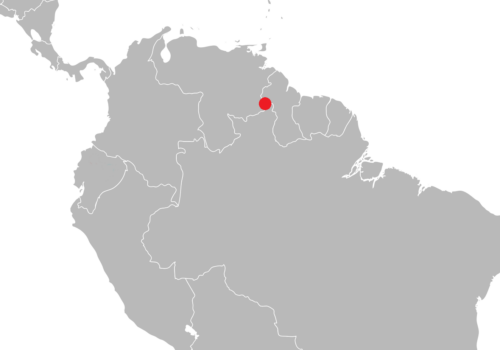
For those familiar with North Africa’s sweeping landscapes, it may be surprising to learn that such a delicate amphibian could find a thriving existence in these arid, challenging regions. Bufo exiguus is primarily found scattered across the semi-arid and subhumid portions of northeastern Algeria, Tunisia, northern Libya, and pockets of Morocco. Within these areas, the dwarf toad has carved out a comfortable niche amidst rugged rocky outcrops, sparse woodland fringes, and semi-desert habitats sprinkled with temporary freshwater pools created by seasonal rainfall.
The unique geological and climatic conditions play an essential role in shaping not only the amphibian’s physiology but also its behavior and survival strategies. Bufo exiguus often inhabits areas marked by brief rainy periods, leading to temporary aquatic habitats known as “ephemeral pools.” These seasonal ponds and puddles serve as vital breeding grounds and a source of life sustenance. As water recedes under the relentless sun, these toads ingeniously adjust their patterns, adopting nocturnal and crepuscular lifestyles to avoid overheating, dehydration, and predation.
Ecosystem Interplay: Adaptations to Harsh Transitions#
Within its ecological context, Bufo exiguus faces an interplay of uncertainties: transient rains, fluctuating humidity, and stark temperature shifts from scorching daytime heat to cool, sometimes chilly nights. Remarkably adaptable, this species utilizes short periods of moisture and mild temperatures heavily, rapidly feeding, mating, and laying eggs during favorable conditions. When the rains depart, they retreat to cooler microclimates under rocks, roots, or into shallow burrows they carefully excavate, awaiting the return of more hospitable conditions.
This unique adaptation has enabled Bufo exiguus to persist in habitats that might otherwise seem inhospitable for amphibians, lending insight into evolution’s exquisite craftsmanship in forging creatures finely attuned to their world.
The Remarkable Physical Traits of a Tiny Survivor#
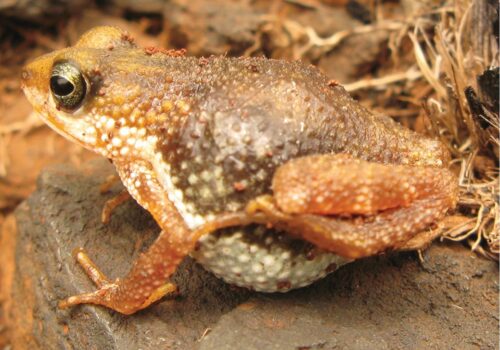
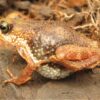
Bufo exiguus, as its name implies, is one of the smallest species within the genus, with adult specimens typically measuring between just 20 and 30 millimeters. Although diminutive in size, its physiological adaptations are extraordinary and complex. The toad displays a robustly built body despite its petite proportions, with noticeably short yet sturdy limbs developed for efficient hopping and navigating rocky terrain.
The coloration patterns of Bufo exiguus vary subtly throughout its geographic range, drawing upon earthy palettes of mottled browns, olive greens, and even subtle grey tones. Each individual exhibits intricate patterns and shades that mimic their surroundings impeccably, a critical survival mechanism amid their open, exposed habitats. Their skin, decorated with an intricate mosaic pattern of granular warts, offers another layer of defense, hiding them effectively among scattered leaves and drought-resistant shrubs, thus evading predation from sharp-eyed raptors and terrestrial carnivores.
A Camouflage Beyond Mere Appearance#
Beyond visual camouflage, the toad’s unique skin grants it another essential survival tool: water conservation. Amphibian skin typically serves vital roles, allowing moisture exchange necessary for breathing and hydration. Bufo exiguus possesses lightly granular and relatively impermeable skin, dramatically reducing moisture loss—a significant advantage under the dry sun of Saharan edges. At the same time, their ventral surfaces, especially beneath limbs and near their lower abdomen, feature increased permeability, efficiently absorbing the smallest pool of dew or moisture when briefly available.
The Secret Lives of Bufo exiguus: Behavior and Reproductive Strategies#
The behavioral repertoire of Bufo exiguus, molded through evolutionary necessity, is as finely intricate as the landscapes they call home. While generally terrestrial, their lives are entwined intrinsically with water. In the evening twilight after a rainfall shower, chorus after chorus gently reverberates through the shadow-clad landscape as males begin their synchronized melodic cacophony.
Rain-Driven Romance: Breeding Behavior and Tadpole Development#
For Bufo exiguus, a brief time of rain signals an equally brief and intense opportunity for reproduction. Male toads are among the first to arrive at pools created by recent rainfall, filling the transient landscape with their distinct trilling calls, competing for mates. Females, attracted to specific acoustic characteristics in male calls, promptly join the assemblage, selecting suitable partners based on exact nuances in vocalizations, an acoustic connection that fascinates biologists.
Following amplexus, the mating embrace where the male clasps the female firmly, the female lays her eggs in strings—carefully placed and well-sheltered by underwater vegetation or submerged rocky debris. The unpredictable environmental scenario demands swift and efficient embryonic development; tadpoles emerge mere days following spawning, embarking on a race against time as ephemeral pools inexorably dry under the relentless desert sun.
This accelerated developmental pace ensures that metamorphosis occurs swiftly, with metamorphs leaping onto dry land as miniature replicas of adults just weeks after hatching—complete in form, but extremely vulnerable. Nature’s delicate balancing act continues as these juveniles now embark on their struggle for sustenance and shelter, learning to quickly navigate their challenging environment.
A Fundamental Link Within North African Ecosystems#
In ecological frameworks, even the smallest creatures often carry significant importance. Bufo exiguus is no exception. Functioning as both predator and prey, the species occupies a critical intermediate trophic layer, acting as bioindicators signaling environmental shifts and the vitality of local ecosystems.
They voraciously consume a variety of insect species, effectively controlling populations that, left unchecked, might negatively impact plant health. Concurrently, Bufo exiguus serves as a nutritious prey item for myriad predators, including birds, mammalian carnivores, snakes, and even some larger amphibians. Their persistent presence or absence can serve as warning flags indicating the health or deterioration of habitats—the proverbial canary in Africa’s ecological coal mine.
Conservation Concerns: Safeguarding Bufo exiguus Amidst Change#
Despite their adaptability, Bufo exiguus populations face rising threats stemming from human activities and climate change. Habitat fragmentation due to urban expansion, agricultural development, and the extraction of resources jeopardize the delicate balance of their existence. Additionally, the severe intensification of climatic extremes—extended dry spells, higher-average temperatures, and reduced reliable precipitation—places the toad under escalating stress.
Though currently not listed as threatened by the IUCN, continuous monitoring and conservation measures are essential. Regional conservationists and biologists advocate safeguarding vital ephemeral pools and educating local communities to understand the delicate reliance these creatures have on increasingly vulnerable ecological niches.
Cultural and Scientific Importance: Valuing Bufo exiguus Beyond Ecological Niches#
This dwarf toad’s hidden life has inspired cultural curiosity and scientific awe. Locally, it represents tenacity and adaptability—small creatures thriving within seemingly harsh landscapes impart resilience-centered lessons that communities admire and respect. Scientifically, the amphibian lends fertile ground for research on evolutionary biology, physiological adaptation, climate resilience, and ecosystem health evaluations, underscoring the interconnected nature of habitat conservation and species survival.
Bringing Awareness and Action: Our Role in Protecting Bufo exiguus#
Ultimately, the compelling tale of Bufo exiguus calls on us to recognize and embrace our responsibility towards preserving biodiversity. By learning, admiring, and supporting these hidden natural treasures, we pay tribute to life’s extraordinary diversity while fostering richer, healthier global ecosystems.
Let Bufo exiguus remind us that no organism, however petite or inconspicuous, remains trivial in nature’s intricate and wondrous puzzle. Indeed, in understanding these remarkable creatures, we deepen our appreciation for the hidden wonders around us, inspiring future generations to cherish and protect our shared natural heritage.