- Meet Atelopus walkeri: The Remarkable Harlequin Frog Clinging to Survival
- Taxonomy and Classification
- Natural Habitat: A Precious Niche in the Colombian Andes
- A Dazzling Palette: Physical Characteristics of Atelopus walkeri
- Behavior and Life Cycle: A Dance Against Odds
- Ecological Importance: Maintaining Balance in Fragile Ecosystems
- Threats and Conservation Status: Walking the Edge of Extinction
- Cultural and Scientific Significance: A Tiny Frog Influencing the Big Picture
- The Road Ahead: Preserving Hope for Atelopus walkeri
Meet Atelopus walkeri: The Remarkable Harlequin Frog Clinging to Survival#
The emerald slopes of the Colombian Andes harbor countless secrets. Amid the misty forests, crystal-clear streams, and moss-covered rocks lives a tiny jewel that’s slipped into quiet obscurity—Atelopus walkeri. Belonging to the vibrant group known popularly as harlequin frogs, this diminutive amphibian represents more than just vibrant aesthetics; it is a poignant symbol of perseverance and fragility within one of Earth’s richest biodiversity hotspots.
Known colloquially as Walker’s harlequin frog, Atelopus walkeri sits precariously at the crossroads of ecological depravity and hope-filled conservation efforts. In this article, we’ll undertake a vivid exploration of the unique realities that define this captivating amphibian, from its colorful appearance to its vulnerable future.
Taxonomy and Classification#
Atelopus walkeri is part of the Bufonidae family, a wide-ranging group commonly referred to as true toads. Yet, within this immense group, harlequin frogs establish their own striking identity. Genus Atelopus, often dazzling in color and precariously balanced on the precipice of extinction, is a charismatic flagship for amphibian conservation worldwide.
Walker’s harlequin frog was first described scientifically in 1963, adding another treasured member to a genus celebrated for its striking color patterns and sadly infamous for its vulnerability. Closely related species, like the critically endangered Golden harlequin frog (Atelopus zeteki), share similar ecological niches and distressing conservation experiences, underscoring the urgency of A. walkeri‘s plight.
Natural Habitat: A Precious Niche in the Colombian Andes#
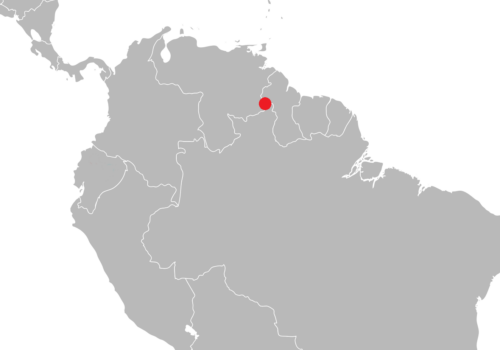
The natural home of Atelopus walkeri is picturesque yet treacherous: humid montane cloud forests and fast-flowing streams along mid-elevation slopes of the Colombian Andes. Specifically localized within a narrow altitudinal belt, typically ranging between 1,800 and 2,500 meters, these frogs thrive in environments that are moist, cool, and consistently sheltered by lush forest canopy.
The ideal habitat for these amphibians features moss-covered boulders bathed by waterfalls and stream edges draped in ferns. Here, amid this arboreal paradise, Walker’s harlequin frogs spend their daylight hours soaking moisture through their delicate skin, ever-watchful eyes scanning their surroundings for both danger and opportunity.
Habitat Interactions and Adaptations#
The precise habitats selected by this species hold hidden benefits vital for survival. Amphibians such as Walker’s harlequin frog absorb oxygen and moisture directly through permeable skin. Therefore, pristine water and high humidity are more than mere comforts; they are non-negotiable necessities. Streams fed by cloud forest mists and frequent rainfall keep water quality high, a crucial factor protecting against harmful pathogens.
However, within this seemingly idyllic environment lies a harsh reality—small, specialized habitats place this species at significant risk of disturbance. Unlike generalist species able to adapt more easily to fragmented or disturbed environments, A. walkeri relies heavily on intact habitats, rendering it dramatically vulnerable to deforestation, agricultural expansion, and human encroachment.
A Dazzling Palette: Physical Characteristics of Atelopus walkeri#
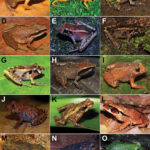
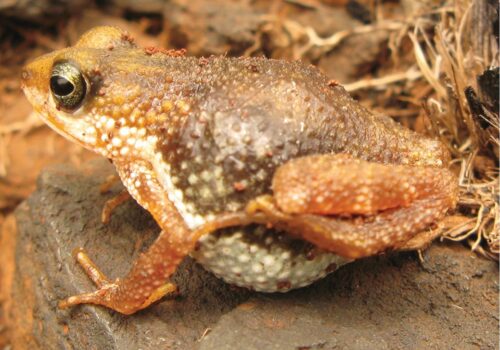
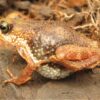
Few species evoke instant amazement quite like Walker’s harlequin frog. Its coloring defies subtlety—vivid blotches of black juxtaposed against brilliant yellows, greens, or shades of orange dominate its compact, streamlined physique. This coloring varies slightly among individuals and local populations, but the patterning always remains bold and arresting.
Their small stature, usually around 3 to 5 centimeters from snout to vent, amplifies the wonder invoked by their bold colors and delicate frame. Smooth, glossy skin adds to their charm but simultaneously indicates their vulnerability; such sensitive, permeable skin makes them highly prone to environmental toxins and pathogens, dramatically influencing conservation outcomes.
Yet these vibrant colorations are more than mere spectacle—they are an evolutionary masterpiece, warning potential predators of their skin’s potent toxins. Indeed, aposematic coloration (the scientific term for vivid ‘warning colors’) ensures a level of defense against predatory birds and mammals, relying on the aversion predators gradually form after tasting such venomous prey.
Behavior and Life Cycle: A Dance Against Odds#
A. walkeri spends much of its daily routine quietly observing the environment from streamsides or underneath small foliage. As a diurnal species, they rely heavily on sight for both predator awareness and hunting precision. Prey consists primarily of small insects—ants, small beetles, flies—carefully tracked and ambushed with swift tongue movements.
Mating Rituals and Reproductive Strategy#
When rains intensify and the forest echoes with humidity-driven life, A. walkeri congregates near water sources to partake in its annual reproduction ritual. Males position themselves strategically along streams, becoming animated and vocal, their high-pitched, melodic calls blending seamlessly with the rush of running water.
Successful males may undertake amplexus (the amphibian embrace characteristic of mating frogs), firmly clasping females and fertilizing laid eggs externally—as females gently attach gelatinous clusters to submerged rocks or aquatic vegetation. This serene aquatic nursery is hardly safe from risk, and tadpoles face countless perils as they metamorphose, from predatory fish and insects to fluctuating water levels.
Ecological Importance: Maintaining Balance in Fragile Ecosystems#
Small in size yet significant in role, Walker’s harlequin frog is a resolute guardian of its ecological niche. As insect controllers, frogs like A. walkeri exert subtle yet critical pressure on insect populations. Simultaneously, they are dietary staples for numerous predators, such as birds, snakes, and larger amphibian species, ensuring seasonal abundance and diversity throughout the complex food webs.
Moreover, Walker’s harlequin frog serves as an important bioindicator. Due to their skin sensitivity to chemicals, temperatures, and pollutants, amphibians often signal underlying environmental issues—or successes in habitat protection—long before other organisms show outward impacts. Thus, the start of new healthy populations of A. walkeri represents undeniable evidence of restored ecosystem health.
Threats and Conservation Status: Walking the Edge of Extinction#
Sadly, the story of Walker’s harlequin frog echoes a troubling narrative shared by countless amphibians globally. Listed as Critically Endangered by the International Union for Conservation of Nature (IUCN), Atelopus walkeri faces myriad threats, ranging from habitat fragmentation and climate change-induced shifting rainfall patterns to wildlife diseases, notably chytridiomycosis (caused by the notorious chytrid fungus Batrachochytrium dendrobatidis).
This potent fungal pathogen annihilates populations rapidly, devastating local amphibians, especially montane species like Walker’s harlequin frog that live at optimal fungal growth temperatures. Compounded by habitat degradation, increased chemical runoff from farming, and temperature shifts due to climate change, the fight to save this enchanting frog becomes a fight against time itself.
Cultural and Scientific Significance: A Tiny Frog Influencing the Big Picture#
Beyond their ecological role, Atelopus frogs have culturally symbolic importance among Colombia’s diverse local communities. For centuries, amphibians represented fertility, rainfall abundance, and environmental health. Scientifically, researchers study harlequin frogs, including A. walkeri, intensely, as their susceptibility to chytrid fungus provides indispensable data toward understanding amphibian declines globally.
The Road Ahead: Preserving Hope for Atelopus walkeri#
A resilient but delicate survivor, Walker’s harlequin frog holds an invaluable position in Colombia’s ecological heritage. As advocates and nature enthusiasts, we face an opportunity—and a responsibility—to guarantee that future generations might encounter, celebrate, and learn from these amazing amphibians.
Whether through direct conservation engagement, habitat protection, or simply spreading awareness, each step toward safeguarding Atelopus walkeri and its habitats ensures nature’s jewels continue to brighten our world, remind us of ecological interconnectivity, and flourish across these mountains for generations to come.